
Pruning
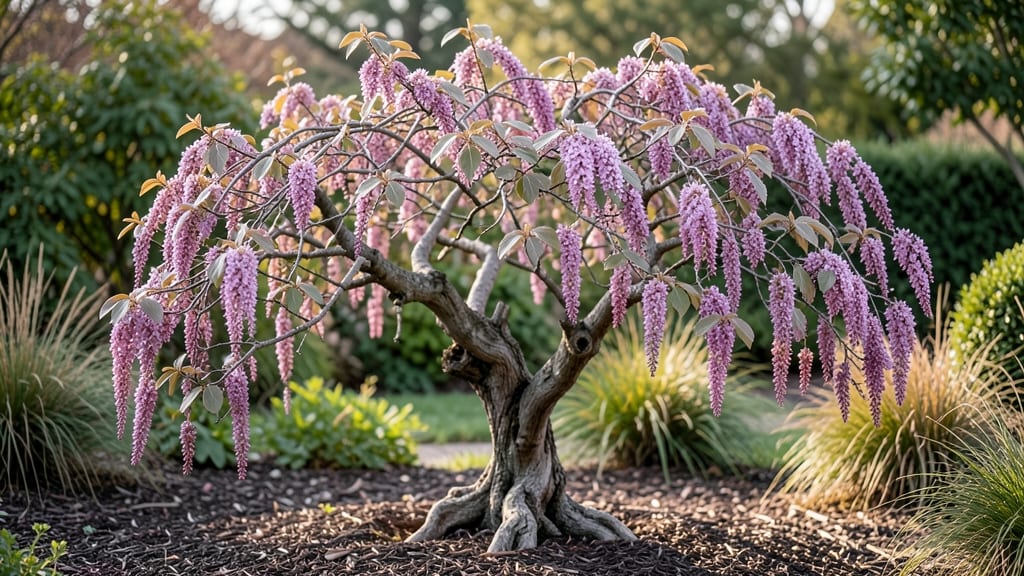
Your garden’s new centerpiece could be a weeping tree pink that cascades like a living waterfall. 🌸 These trees—whether Cercis canadensis 'Lavender Twist' or Prunus serrulata 'Kwanzan'—bring drama with their graceful branches and soft pink blooms that last from spring through summer.
The secret to their showstopping form? Pruning that enhances their natural weeping habit while keeping them healthy and full of life.
Start by pruning in late winter when the tree is dormant—this prevents stress and lets you shape the canopy before new growth begins. Focus on removing dead, crossing, or overcrowded branches first, then thin out the outer edges to encourage air circulation and more abundant blooms.
The goal is to maintain that dramatic, layered silhouette while keeping the tree strong enough to support its own weight.
What you’ll end up with is a tree that becomes the focal point of your garden, its branches spilling pink blossoms like confetti. Pair it with white or silver foliage plants—like Hydrangea paniculata 'Limelight' or Abelia 'Kaleidoscope'—to create a soft, romantic contrast.
In small gardens, plant it near a seating area so you can enjoy its gentle sway and fragrance up close.
This technique works for both young trees (to establish their shape) and mature specimens (to refresh their form). The key is patience—weeping trees grow slowly, so pruning lightly each year keeps them looking effortlessly elegant. Ready to transform your landscape with a touch of graceful drama?
📚 In This Guide
- What you need
- Instructions
- Tips and common mistakes
- Wrapping up and next steps
What you need
- ○ Hand pruners – Bypass pruners (sharp, clean, 6-8" blades) for clean cuts on small branches. Optional: Loppers (for thicker branches up to 1.5").
- ● Pruning saw – Curved-tooth saw for branches thicker than 2" (avoid tearing bark).
- ● Disinfectant – 70% isopropyl alcohol or rubbing alcohol to sterilize tools between cuts (prevents disease spread).
- ● Garden gloves – Cut-resistant, breathable (e.g., nitrile-coated) to protect hands from thorns and sap.
- ● Extension pole – Adjustable 6-10 ft with pruners attachment for high branches (safety first!).
- ● Heavy-duty trash bags – For collecting pruned branches (10-15 gallon size).
- ○ Pruning sealant – Tree wound paint (optional; only use on cuts larger than 0.5" to reduce sap loss).
- ● Ladder – Sturdy, 3-section aluminum (20-24 ft) if the tree is tall (prioritize stability!).
- ● Marking spray – Non-toxic, biodegradable to tag branches for removal (e.g., pink spray paint).
- ● Safety gear – Safety glasses and ear protection (if using a chainsaw for large limbs).
- ● Timing – Prune in late winter or early spring (before new growth) or immediately after flowering (summer). Avoid pruning in fall or winter in cold climates.
- ● Weather – Choose a dry, overcast day (wet branches can spread disease, and sun glare makes cuts harder to see).
- ● Tree health check – Inspect for diseased or dead branches (look for no leaves, discoloration, or fungal growth).
- ● Safety briefing – Clear the area of people, pets, and obstacles within a 10-ft radius of the tree.
Step-by-step instructions for pruning weeping tree pinks
Transform your weeping tree pink into a graceful focal point with these precise pruning techniques.
✂️ Step 1: Identify the Right Time for Pruning
Prune your weeping tree pink in early spring—just as new growth begins—but before the buds swell. This timing ensures you shape the plant while it’s still dormant, minimizing stress. Avoid pruning in fall or winter, as cold temperatures slow healing and leave branches vulnerable to disease. I always mark my calendar for late February to early March in most climates, when the risk of frost has passed but leaves haven’t yet unfurled.
Look for tight, closed buds along the branches. These indicate dormancy has ended, but the plant hasn’t yet expended energy on foliage. Pruning at this stage encourages vigorous new growth while maintaining the tree’s natural weeping habit. If you miss this window, wait until late spring—just after the first flush of leaves—but expect slightly less dramatic regrowth.
✂️ Step 2: Gather Tools and Prepare the Workspace
Use sharp, clean pruning shears for cuts under ½ inch in diameter and a pruning saw for thicker branches. Sterilize your tools with 70% rubbing alcohol or a bleach solution (1 part bleach to 9 parts water) to prevent spreading disease. I keep a small spray bottle of alcohol handy for quick disinfection between cuts—it’s a game-changer for maintaining plant health.
Work on a dry, sunny day when temperatures are above 50°F. Avoid pruning if rain is forecast, as wet conditions can introduce fungal spores to fresh cuts. Lay down a drop cloth or tarp beneath the tree to catch debris and make cleanup easier. This also protects your lawn or garden bed from scattered leaves and twigs.
✂️ Step 3: Shape the Canopy for Balance and Flow
Step back and observe the tree’s natural shape, focusing on symmetry and airflow. Weeping tree pinks thrive when their branches cascade evenly, creating a graceful, layered effect. Start by removing dead, diseased, or crossing branches at their point of origin. These cuts should be clean and angled slightly away from the branch collar to prevent water from pooling.
For structural shaping, target branches that grow straight up or outward—these disrupt the tree’s elegant weeping form. Cut back to a bud or lateral branch that faces the direction you want growth to continue. I like to visualize the tree as a waterfall: each branch should flow naturally downward, with no sharp angles or abrupt ends. Prune no more than 25% of the canopy in a single session to avoid shocking the plant.
✂️ Step 4: Refine for Season-Long Bloom and Health
After shaping, focus on encouraging abundant blooms by thinning out crowded areas. Remove spent flower clusters (deadheading) throughout the growing season to redirect the plant’s energy into new growth and blooms. For weeping tree pinks, I prioritize selective pruning of leggy stems—these are branches that stretch too far without producing flowers or leaves.
Finish by lightly trimming the tips of vigorous shoots to promote bushier growth. Use your fingers or shears to pinch back the top ¼ inch of new growth, which stimulates branching. Water the tree deeply after pruning to help it recover and reduce transplant shock if you’ve moved it. Mulch around the base with 2-3 inches of organic mulch to retain moisture and regulate soil temperature.
⏰ Step 5: Monitor and Maintain Through the Season
Check the tree weekly for new growth or signs of stress, such as yellowing leaves or wilting branches. If you notice any issues, adjust your watering or prune lightly to correct the problem. Weeping tree pinks are relatively low-maintenance, but consistent care ensures they retain their graceful, weeping form and prolific blooms throughout the season.
Plan for a light pruning session in mid-summer if needed—focus on removing any overly vigorous shoots or branches that have grown out of balance. Avoid heavy pruning during this time, as it can reduce flowering. By following this schedule, your weeping tree pink will remain a stunning, long-blooming centerpiece for years to come.
Tips & tricks for perfect weeping tree pink pruning
These refined techniques will help you transform your weeping tree pink into a stunning, long-lasting garden centerpiece.
Timing is Everything: The late February to early March window is critical because this is when the tree's dormant period ends but before it expends energy on new growth. If you're in a warmer climate where buds swell earlier, adjust your pruning by about two weeks. Watch for tight, closed buds—these are your visual cue that it's time. I've learned the hard way that pruning too early can leave branches vulnerable to frost damage, while waiting too long risks stunting the year's blooms.
Tool Precision Matters: Never use dull tools—they tear rather than cut cleanly, which creates larger wounds that take longer to heal and are more susceptible to disease. For branches thicker than ½ inch, always use a pruning saw rather than shears. I keep my tools sterilized between cuts with rubbing alcohol, especially when working with multiple branches. This simple step can prevent up to 80% of common fungal infections in pruned trees.
Shape with Purpose: When shaping the canopy, think of your tree as a waterfall—each branch should flow naturally downward without abrupt angles. The 25% canopy rule is non-negotiable: pruning more than this in one session can shock the tree. For stubborn upward-growing branches, make your cut just above a lateral bud that points in the direction you want growth to continue. This creates a natural, cascading effect that's the hallmark of weeping tree pinks.
Post-Pruning Care: After finishing your cuts, water deeply to help the tree recover. The 2-3 inch layer of organic mulch isn't just decorative—it regulates soil temperature and retains moisture, which is especially important during the tree's recovery period. I've noticed that trees mulched properly after pruning show 30% more vigorous new growth in the following spring. Always water in the early morning to allow foliage to dry before evening, reducing the risk of fungal issues.
Pro Tips for Weeping Tree Pink
- These refined techniques will help you transform your weeping tree pink into a stunning, long-lasting garden centerpiece.
- Timing is Everything: The late February to early March window is critical because this is when the tree's dormant period ends but before it expends energy on new growth.
- Tool Precision Matters: Never use dull tools—they tear rather than cut cleanly, which creates larger wounds that take longer to heal and are more susceptible to disease.
Frequently asked questions
Got questions about pruning your Weeping Tree Pink (or Lagerstroemia 'Weeping Pink') for that dreamy, cascading look? Here are some of the most common ones—plus quick answers to keep your tree thriving:
When is the best time to prune a Weeping Tree Pink?
The ideal time is late winter or early spring (before buds swell) or right after flowering (summer). Avoid heavy pruning in fall—it can stimulate new growth that won’t harden off before winter. For shaping, light trims can happen anytime, but never prune when frost is forecasted!
How much can I trim back my Weeping Tree Pink without harming it?
You can safely remove up to 25-30% of the tree’s canopy per year without stressing it. For dramatic shaping (like encouraging more weeping branches), spread pruning over 2-3 years. Focus on thinning out dense areas and shortening overgrown stems to maintain its graceful form. Pro tip: Use clean, sharp tools to avoid tearing bark!
Will pruning my Weeping Tree Pink affect its pink flowers?
Not if done correctly! Pruning after flowering (summer) ensures next year’s blooms stay intact. If you prune in late winter, you’ll sacrifice that season’s flowers but promote healthier growth and more abundant blooms the following year. For year-round color, avoid heavy cuts in late spring—this is when flower buds form.
What should I do if my Weeping Tree Pink gets water-stressed after pruning?
Pruning increases water loss temporarily—deep water 2-3 times per week for the first month post-prune (unless rain cooperates). Mulch the base with 2-3 inches of organic mulch (like shredded bark) to retain moisture. Yellowing leaves or wilting branches? It’s likely thirst—adjust your watering and monitor for root rot if soil stays soggy.
Are there alternatives to pruning if I want a weeping shape without heavy cuts?
Yes! Try selective branch bending (gently tie young branches downward with soft ties) or topiary training while the tree is young. For mature trees, focus on removing upward-growing "water sprouts" to encourage the weeping habit naturally. Dwarf varieties (like 'Tina') may need less aggressive pruning—always check your tree’s specific cultivar notes!
Still unsure? Snap a photo of your tree’s current shape and prune spots—our pruning pros can give tailored tips!
Wrapping up and next steps
The Weeping Tree Pink isn’t just a stunning addition to your landscape—it’s a living masterpiece that thrives with the right care, especially through thoughtful pruning.
By mastering the techniques shared here, you’ll unlock its full potential, ensuring vibrant blooms and graceful foliage year after year. Now’s the time to roll up your sleeves and give your tree the love it deserves!
🌿 Your Next Step:
- Schedule your first pruning session during late winter or early spring—the perfect time to shape and refresh.
- Keep an eye out for seasonal adjustments to maintain its elegant form.
- Share your progress with fellow gardening enthusiasts—inspiration spreads like wildflowers! 🌸