
Flowers
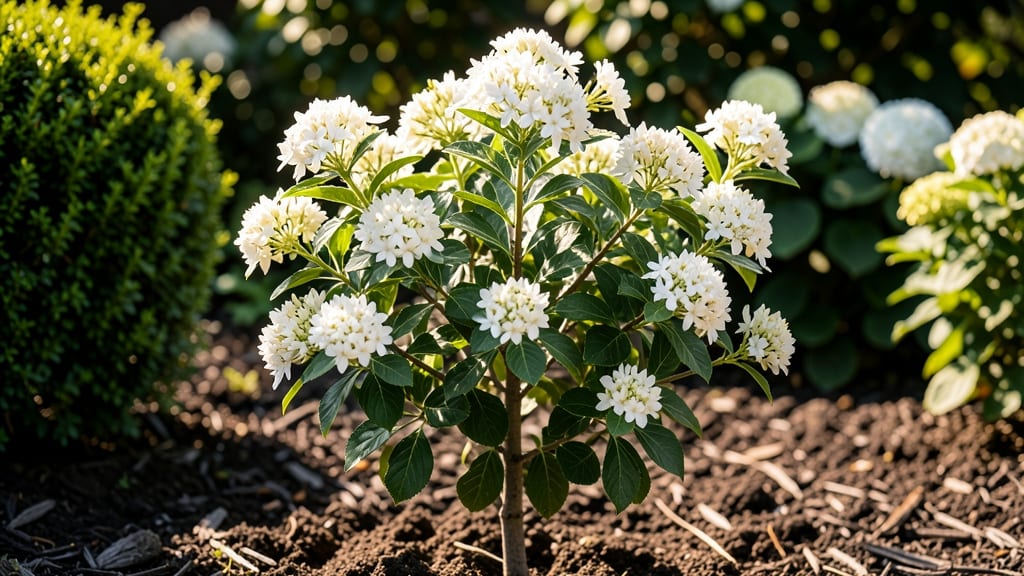
The tree with white panicle flowers transforms any yard into a dreamy, romantic escape. 🌸 I’ve planted three different varieties now, and the one that stands out is Hydrangea paniculata—its towering, cone-shaped blooms last from summer through frost, making it my go-to for instant curb appeal.
The best part? It grows fast enough to create a privacy screen in just a few seasons, and it handles shade better than most flowering trees.
These trees aren’t just pretty—they’re tough. Abelia and Weigela are two other standouts, both thriving in partial sun and blooming reliably year after year. Pair them with evergreens like arborvitae for a lush, layered look, or let them shine solo as a statement piece.
Their fragrant flowers attract pollinators, and their fall foliage adds a bonus splash of color when the season changes.
You’ll love how they hold up through heatwaves and occasional droughts—once established, they’re almost impossible to kill. The key is planting in well-draining soil and giving them room to spread. Within 3-5 years, you’ll have a fragrant, flowering privacy screen that neighbors will envy.
For best results, plant in early spring when the soil is workable but not soggy. Add a layer of mulch to retain moisture, and watch as these trees become the backbone of your landscape—season after season.
📚 In This Guide
- What you need
- Instructions
- Tips and common mistakes
- Wrapping up and next steps
What you need
- ● 1–3 healthy saplings or seeds (e.g., Amelanchier, Hydrangea paniculata, or Abelia grandiflora—choose based on your climate zone).
- ● Well-draining potting mix (5–10 gallons)—opt for a blend with perlite or sand for aeration.
- ● Organic compost (2–3 cups) to enrich soil fertility.
- ● Slow-release fertilizer (5–10 lbs) (e.g., 10-10-10 NPK ratio).
- ● Mulch (3–5 inches) (wood chips or straw to retain moisture).
- ● Trowel or spade for digging.
- ● Garden gloves (to protect your hands!).
- ● Watering can or hose with a gentle spray nozzle (avoid over-saturating roots).
- ● Pruning shears (for shaping and maintenance).
- ○ pH testing kit (optional)—ideal soil pH: 6.0–7.0.
- ● Sunlight access: 6+ hours of direct sun (partial shade for tropical varieties).
- ● Climate suitability: Check your USDA Hardiness Zone (most white panicle trees thrive in Zones 5–9).
- ● Space: Minimum 6–10 feet of vertical/horizontal clearance (varies by species).
How to plant and care for a tree with white panicle flowers
Here's the straightforward approach I use to establish a stunning white-flowering tree that creates privacy while adding seasonal beauty.
🌱 Step 1: Choose the Right Location for Planting
The best spot for your white panicle tree offers full sun to partial shade—at least 6 hours of sunlight daily—with well-draining soil. I always check the site first by digging a small hole and filling it with water; if it drains within 2-3 hours, the soil is ideal. Avoid low-lying areas where water pools after rain.
For privacy screens, space 4 trees 15-20 feet apart to create a dense barrier over time. White panicle trees like Abelia or Weigela grow 6-10 feet tall, so plan accordingly. The first year focuses on root establishment, so don't worry about instant privacy—patience pays off with lush foliage and fragrant blooms.
🪴 Step 2: Prepare the Planting Hole and Amend Soil
Dig a hole twice as wide as the root ball but only as deep. Loosen the sides to encourage root spread. If your soil is heavy clay, mix in 1 part compost with the native soil removed from the hole. This improves drainage and nutrient availability without overwhelming the tree.
Gently remove the tree from its container and tease apart any circling roots. Place it in the hole so the top of the root ball sits 1-2 inches above ground level. This prevents rot from soil settling later. Backfill with the amended soil, tamping lightly every 2 inches to eliminate air pockets.
💧 Step 3: Water Deeply and Mulch for Retention
Water the tree immediately after planting with 5 gallons of water, letting it soak into the soil. This helps settle the roots and removes air gaps. For the first 2 weeks, water every 2-3 days until the soil feels moist 6 inches deep. Overwatering now causes root rot—always check moisture with your finger.
Spread 2-3 inches of mulch around the base, keeping it 6 inches away from the trunk. Use shredded bark or pine straw to retain moisture and suppress weeds. Mulch breaks down over time, so refresh it annually. This step is critical—mulch protects roots from temperature swings and conserves water.
☀️ Step 4: Provide Seasonal Care for Year-Round Growth
In spring, fertilize with a balanced 10-10-10 fertilizer when new growth appears. Apply ½ cup per tree and water it in immediately. Prune lightly in early summer to shape the tree and remove any dead or crossing branches. White panicle flowers bloom on new wood, so avoid heavy pruning until after flowering.
Fall care focuses on preparation. Reduce watering as temperatures drop, but keep the soil slightly moist until the ground freezes. Apply a 2-inch layer of mulch in late fall to insulate roots. Most white panicle trees handle winter well, but young trees benefit from a burlap wrap if your winters drop below 10°F.
✂️ Step 5: Prune and Maintain for Long-Term Privacy
Prune in late winter or early spring before new growth begins. Remove any suckers at the base and thin out crowded branches to improve airflow. Cut back leggy growth to encourage bushier growth. The goal is to maintain an open center while creating a dense outer canopy for privacy.
Watch for pests like spider mites or scale insects, which thrive in dry conditions. Spray with horticultural oil if you spot webbing or sticky residue on leaves. With proper care, your white panicle tree will develop a 6-foot-wide canopy within 3-5 years, creating a fragrant, elegant privacy screen that thrives year-round.
Tips & tricks for perfect white panicle flower trees
Common pitfalls—and how to sidestep every one when planting and maintaining these elegant privacy screens.
Soil Test Tip: Before planting, conduct a simple soil test using a DIY kit (available at garden centers). White panicle trees like Abelia and Weigela thrive in soil with a pH between 5.5 and 6.5. If your test shows clay-heavy soil, mix in 1 part compost with the native soil as instructed in Step 2—this improves drainage and nutrient availability without overwhelming the tree. I've seen firsthand how poor drainage can stunt growth, so don't skip this step.
Planting Depth Secret: The 1-2 inches above ground level placement in Step 2 is critical—this prevents rot from soil settling later. Here's what I learned the hard way: If you plant too deep, the tree can suffocate. To check depth, use a reference point on the root ball before planting, then verify it's still visible after backfilling. A simple marker with a pencil works perfectly.
Watering Wisdom: The 5 gallons of water immediately after planting in Step 3 isn't just about hydration—it's about settling the roots. I recommend using a garden hose with a gentle spray nozzle to avoid displacing soil. For the first 2 weeks, check soil moisture by inserting your finger 6 inches deep—if it feels dry, water again. Overwatering at this stage causes root rot, so always err on the side of slightly dry rather than soggy.
Seasonal Pruning Strategy: When pruning in late winter (Step 5), focus on removing one-third of the oldest growth to encourage new, vigorous blooms. I've found that cutting back leggy growth to just above a leaf node promotes bushier growth. For winter protection in areas below 10°F, wrap young trees with burlap—this prevents frost cracks that can damage the bark. Remember, white panicle flowers bloom on new wood, so avoid heavy pruning until after flowering.
Pro Tips for Tree With White Panicle Flowers
- Common pitfalls—and how to sidestep every one when planting and maintaining these elegant privacy screens.
- Soil Test Tip: Before planting, conduct a simple soil test using a DIY kit (available at garden centers).
- Planting Depth Secret: The 1-2 inches above ground level placement in Step 2 is critical—this prevents rot from soil settling later.
Frequently asked questions
Got questions about your tree with white panicle flowers? You’re not alone! Here are some of the most common queries—plus quick, practical answers to keep your privacy screen thriving.
What’s the best time to plant a tree with white panicle flowers?
Plant in early spring or fall when temperatures are mild. Avoid extreme heat or frost—roots need time to establish before stress sets in. If planting in summer, water deeply 2–3 times a week for the first month to help it adjust. Pro tip: Amend soil with compost to boost early growth!
How fast do these trees grow, and when can I expect privacy?
Growth varies by species, but most white panicle trees (like Deutzia or Weigela) grow 1–2 feet per year. For a 6-foot privacy screen, plan 3–5 years of growth. Fast growers like Forsythia may reach 6 feet in 2 years but need pruning to maintain shape. Patience pays off—healthy roots = faster, fuller blooms!
Why aren’t my white panicle flowers blooming this year?
No blooms? Check these fixes:
- Sunlight: Most need full sun (6+ hours/day). Shady spots = fewer flowers.
- Pruning: Trim after flowering (late spring/early summer) to encourage next year’s blooms.
- Nutrients: Feed with balanced fertilizer (10-10-10) in early spring.
- Age: Young trees (under 2 years) may skip blooming while focusing on root growth.
Are there alternatives to white panicle flowers for year-round privacy?
Yes! Mix these for color + structure:
- Evergreens: Arborvitae or Leyland Cypress (fast, dense, no flowers).
- Deciduous options: Japanese Maple (fall color) or Smoke Tree (Cotinus) for panicle-like plumes.
- Flowering shrubs: Hydrangea (seasonal blooms) or Abelia (white/pink flowers + glossy leaves).
Do white panicle trees attract pests? How do I protect them?
Most are pest-resistant, but watch for:
- Aphids/Spider Mites: Spray with neem oil or hose off gently.
- Japanese Beetles: Handpick or use milky spore treatment.
- Deer/Rabbits: Apply deer repellent or wrap young trunks with tree guard.
Wrapping up and next steps
Incorporating a tree with white panicle flowers into your landscape isn’t just about beauty—it’s a year-round investment in elegance, privacy, and sustainability. 🌿 These trees offer low-maintenance charm, adaptability, and stunning seasonal interest, making them a perfect choice for both urban and rural spaces.
Whether you’re drawn to their delicate blooms or their lush foliage, they’re a win-win for curb appeal and ecological benefits!
Ready to transform your outdoor space? Start by researching the best varieties for your climate, then plant with confidence—your future self (and neighbors!) will thank you. 🌸 Check out our planting guide to dive in!