
Pruning
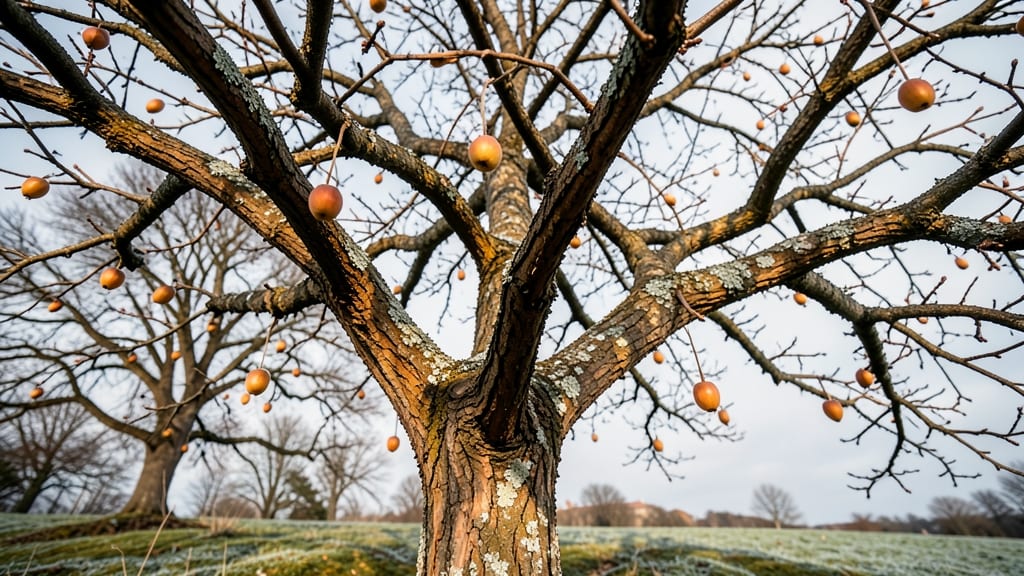
Want to grow delicious, peach-like fruits without the fuss of traditional peach trees? These 10 hardy trees produce small, flavorful fruits that thrive in diverse climates and offer extended harvest windows—perfect for home gardeners seeking low-maintenance abundance.
Loquat Tree for Early Spring Harvests
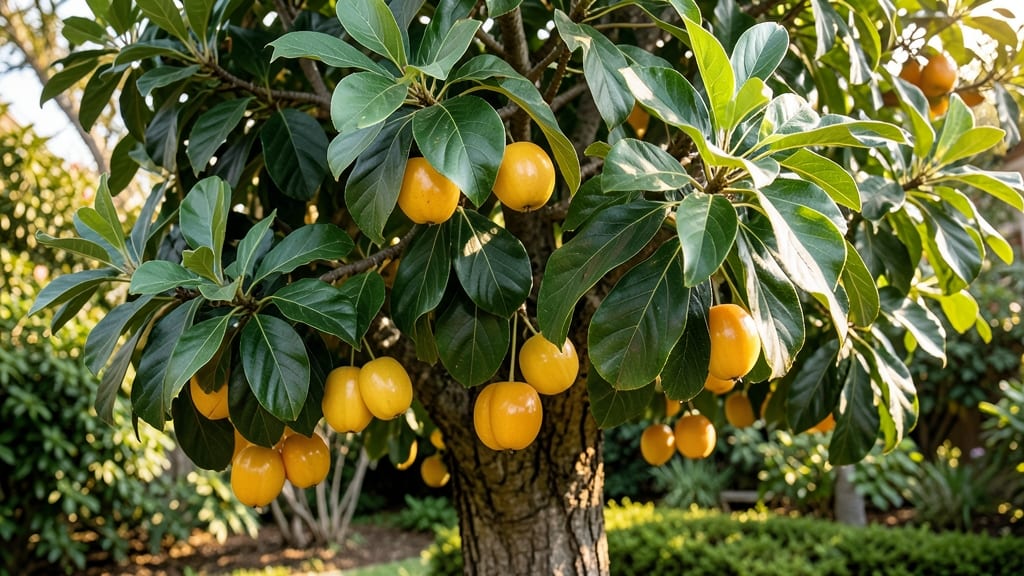
Beat the summer heat and enjoy one of the season’s first fruits with a loquat tree—a tropical treasure that ripens its sweet, apricot-like fruits as early as late winter to early spring, often before peaches even appear on the scene.
Thriving in USDA Zones 9-11, loquat trees (Eriobotrya japonica) are surprisingly adaptable, tolerating partial shade and even growing well in large containers (15+ gallons) for patios or balconies. Their glossy, evergreen leaves add year-round interest, while the yellow-orange fruits burst with honeyed-sweet flavor when fully ripe—though they’re best eaten fresh, as they soften quickly off the tree.
Perfect for gardeners in warm climates or urban spaces, loquat trees require minimal fuss: water deeply but infrequently once established, and prune lightly after harvest to encourage new growth. Their early bounty makes them a standout for spring fruit lovers craving something unique. 🌱
Nectarine Tree Varieties for Compact Gardens
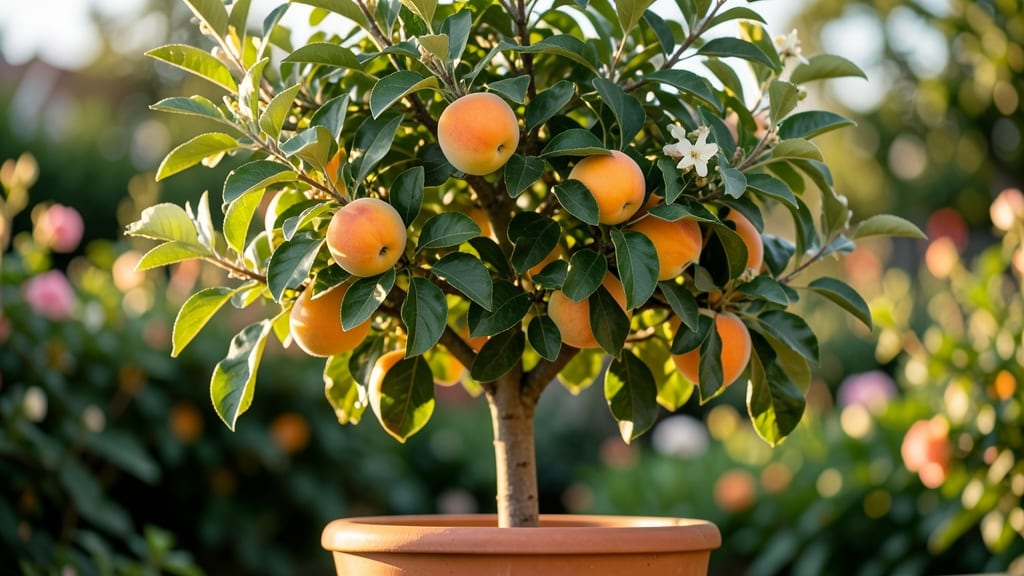
If you love peaches but lack space for full-size trees, dwarf nectarine varieties like 'Starr' or 'Fantasia' deliver the same sweet, juicy flavor in a compact package. These trees mature at just 6-8 feet tall, making them ideal for urban yards, balconies, or even large patio containers.
Both varieties produce freestone fruits (pits separate easily from flesh), perfect for fresh eating, jams, or grilling. 'Fantasia' thrives in USDA Zones 6-9, while 'Starr' handles slightly cooler climates (Zone 5-9). Plant in full sun (6+ hours daily) and well-draining soil to maximize fruit production—expect harvests starting as early as 2-3 years after planting.
Urban gardeners and small-space growers will appreciate how these trees fit neatly into landscapes without sacrificing flavor or yield. Their manageable size also makes them easier to maintain than standard nectarine trees. 🌻
Plumcot Trees for Cold-Hardy Fruit Production
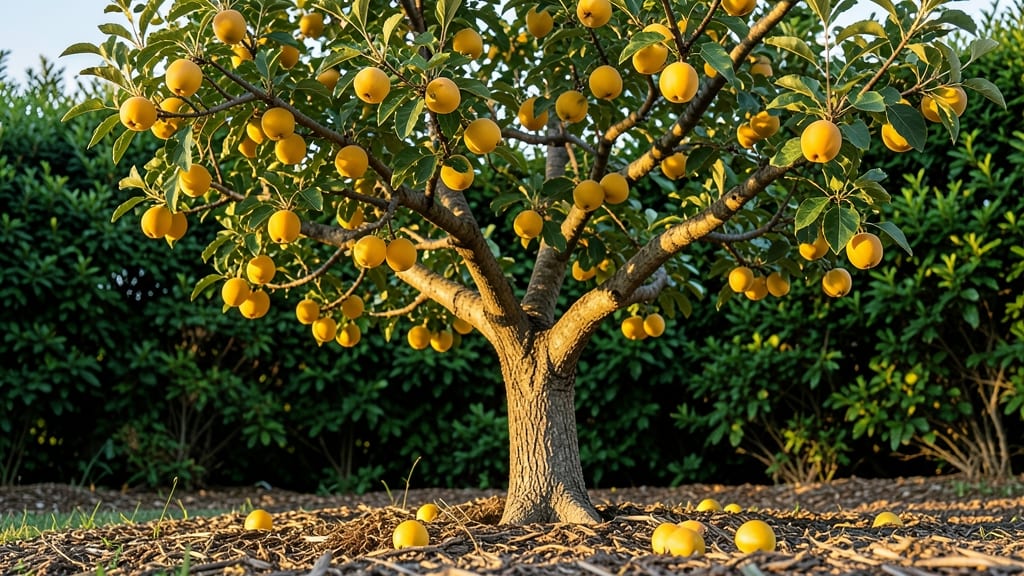
If you live in USDA Zones 4-8 and crave peach-like fruit but dread frost-sensitive trees, plumcot trees are your game-changer. These cold-hardy hybrids blend the best of plums and apricots, producing golden-yellow fruits that taste like sunshine—with a shelf life long enough for canning or winter preserves.
Plumcots thrive in full sun to partial shade and tolerate dry spells once established, making them ideal for drought-prone regions. Their disease-resistant nature means fewer pesticides, and their compact size (10-15 feet) fits perfectly in home orchards or large yards. Varieties like 'Golden Plumcot' or 'Stanley' ripen in late summer, offering a harvest window that outlasts most stone fruits.
Gardeners in cooler climates will love how these trees survive winter chill while still delivering sweet, juicy fruit. Their extended storage potential makes them a practical choice for homesteaders and jam-makers alike. 🌟
Apricot Tree Varieties with Peach-Like Sweetness
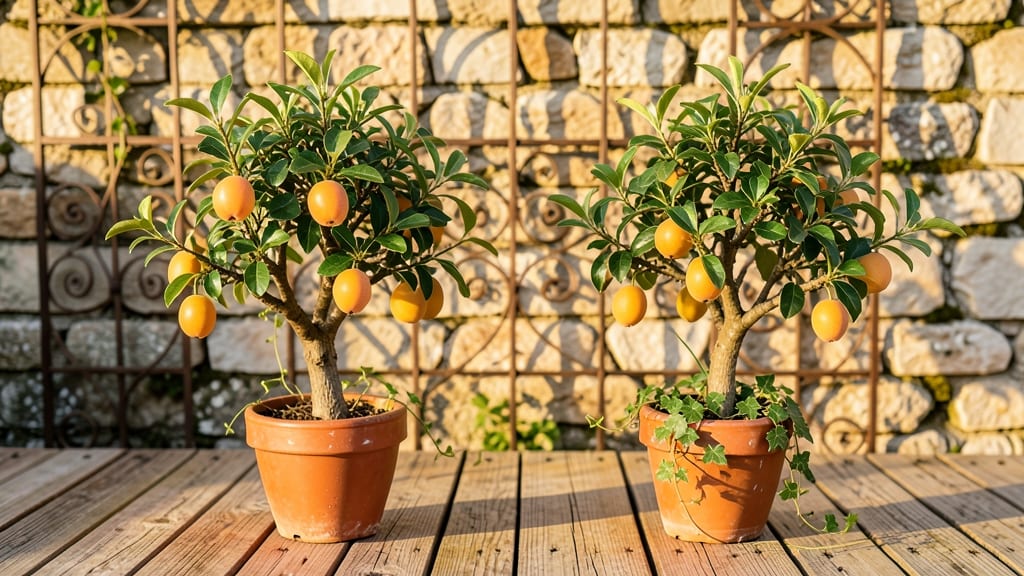
If you crave peach-like sweetness but lack space for full-sized trees, dwarf apricot varieties like 'Goldcot' and 'Moonglow' deliver the perfect solution. These compact trees produce small, intensely flavorful fruits with a texture almost identical to peaches—ideal for patios, small yards, or even large containers.
'Goldcot' matures in just 60-70 days, offering one of the earliest harvests of any apricot, while 'Moonglow' boasts golden-orange fruits that ripen slightly later. Both thrive in full sun (6-8 hours daily) and well-drained soil, making them surprisingly low-maintenance. Prune lightly after harvest to encourage bushier growth and better fruit production next season.
These varieties are perfect for urban gardeners or anyone who wants fresh, homegrown fruit without the commitment of a large tree. Their dwarf stature (8-10 feet tall) makes them ideal for small spaces while still delivering a bountiful harvest of sweet, juicy treats. 🌻
Peach-Plum Hybrid Trees for Extended Seasons
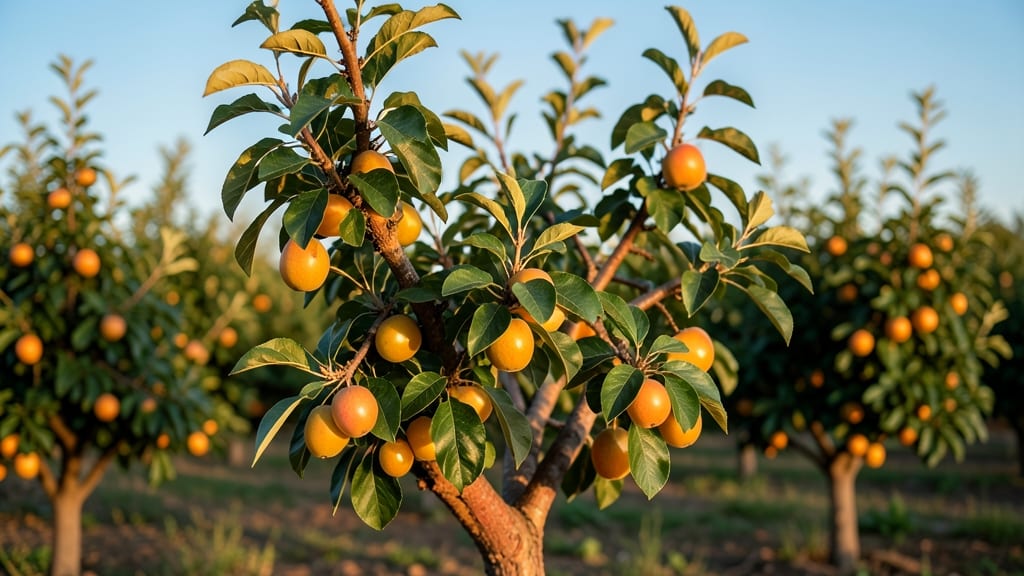
Tired of peaches that ripen too early or spoil before you can enjoy them? Pluots—the peach-plum hybrids—are your answer, offering a later harvest window and built-in disease resistance. Unlike traditional peaches, these small trees produce juicy, sweet-tart fruits that stay firm longer, making them ideal for cooler climates where peaches struggle.
The 'Flavor Grenade' variety is a standout, thriving in USDA zones 5-9 and delivering fruits that ripen 2-3 weeks after peaches. Plant in full sun with well-draining soil, and prune annually to improve airflow and fruit production. Their compact size (12-15 feet tall) also makes them perfect for smaller yards or orchards.
Gardeners in cooler regions will love how pluots extend the fruit season, while their low-maintenance nature makes them a breeze to grow—no fuss, just flavor. 🌟
Japanese Apricot Trees for Unique Flavor
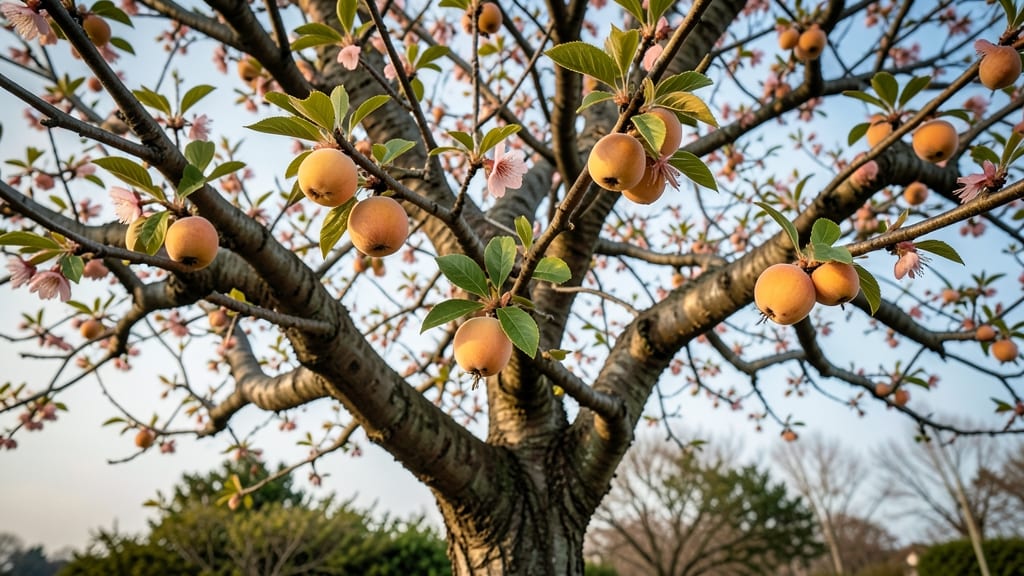
Looking for a tree that doubles as both a stunning ornamental and a gourmet fruit producer? The Japanese apricot (Prunus mume) delivers intensely aromatic, honey-sweet fruits that taste like a cross between peaches and apricots—without the fuss of larger stone fruits.
Varieties like 'Okubo' thrive in USDA Zones 7-9 and produce small, peach-like fruits with a delicate, floral perfume. These trees also boast showy pink blossoms in early spring, making them a standout in any landscape. For best results, plant in well-draining soil with full sun and prune lightly after harvest to encourage airflow and fruit production.
Perfect for gardeners who love dual-purpose plants, Japanese apricots offer both beauty and bounty—ideal for small orchards, urban gardens, or even as a potted specimen in warmer climates. 🌻
Dwarf Peach Trees for Container Growing
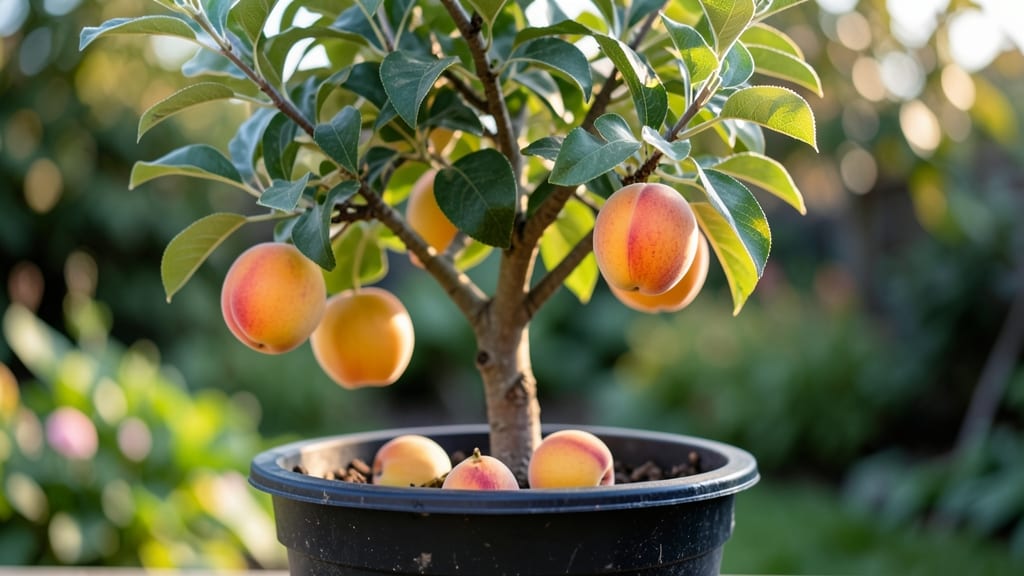
If you dream of harvesting fresh peaches but lack yard space, dwarf peach trees like 'Bonanza' or 'Bonanza Red' are your solution. These compact varieties thrive in 5-gallon pots, producing sweet, bite-sized fruits perfect for snacking or preserving—all while staying under 6 feet tall.
Plant in well-draining soil with full sun (6+ hours daily) and water deeply when the top inch dries. Prune in late winter to maintain shape and improve airflow, and fertilize lightly in spring. These trees are self-pollinating, so one plant is all you need for a harvest. 🌱
Cherimoya Trees for Tropical Peach-Like Fruits
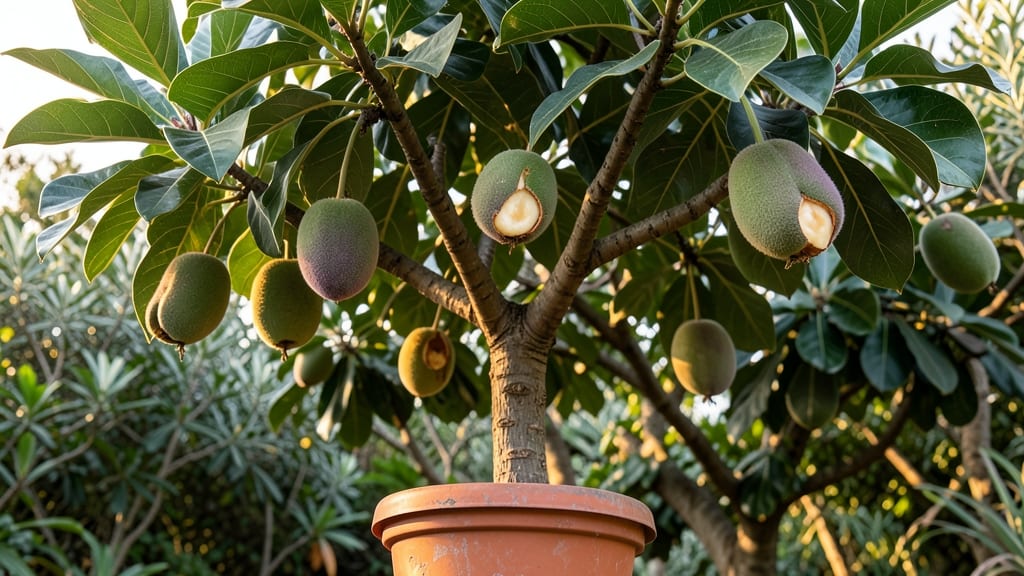
If you crave a tropical twist on peach-like flavors, the cherimoya delivers with its velvety, custardy texture and honey-sweet taste—no peach tree required. Native to the Andes but adaptable to warm climates worldwide, this small tree thrives in USDA Zones 9-11 and even containers as large as 15-gallon pots.
Cherimoya trees grow 6-12 feet tall, making them ideal for patios or small orchards. They prefer well-draining soil and partial shade to protect their delicate leaves, though they tolerate morning sun. The heart-shaped fruits ripen in late fall to winter, releasing a sweet aroma when ready to eat—simply slice open to enjoy the creamy segments inside.
Urban gardeners and tropical enthusiasts will love this low-maintenance tree, which also doubles as a striking ornamental with its glossy, banana-like foliage. Just be patient—it takes 3-5 years for young trees to bear fruit, but the reward is worth the wait! 🌿
Peach Groundcherry for Ornamental and Edible Use
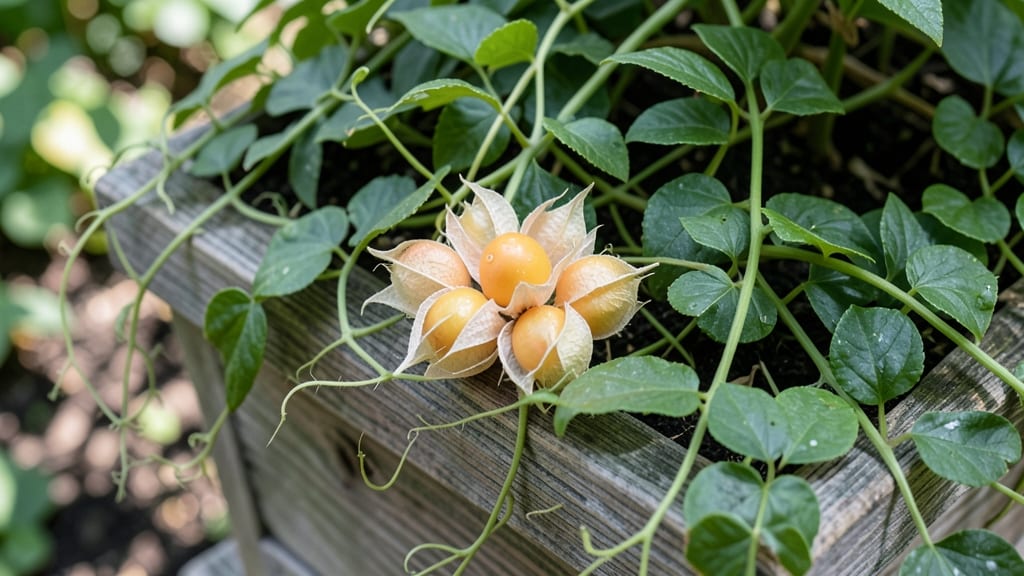
If you love the idea of peach-like flavors but want something lighter on maintenance and space, peach groundcherry is your answer. This fast-growing vine produces tiny, peach-scented berries encased in delicate papery husks that turn translucent when ripe—perfect for adding whimsy to hanging baskets or pollinator-friendly gardens.
Thriving in full sun to partial shade, peach groundcherry vines spread 3–5 feet wide and climb trellises or cascade over containers. The fruits ripen in late summer, offering a harvest window of 4–6 weeks—ideal for fresh eating, jams, or dried snacks. This self-pollinating annual (or short-lived perennial) attracts bees and butterflies while requiring minimal care beyond regular watering.
Urban gardeners and cottage-style enthusiasts will adore its dual-purpose appeal—edible harvests and eye-catching husks that add texture to floral arrangements. 🌻
Mume Plum Trees for Cold-Climate Resilience

If you live in USDA Zone 5 or colder, the mume plum tree (Prunus mume) is your secret weapon for cold-hardy fruit production. Unlike delicate peach trees, this ornamental beauty thrives in frost, producing small, tart-sweet fruits that ripen earlier than most stone fruits—often by late winter or early spring.
Varieties like 'Beggar's Banquet' (also called 'Umeboshi') are prized for their drought tolerance and ability to handle temperatures down to -20°F. The fruits are perfect for preserving as umeboshi (pickled plums) or making jams, and the tree’s striking pink blossoms in winter add seasonal interest. Plant in full sun with well-draining soil, and prune annually to encourage airflow and fruit production.
This tree is ideal for gardeners in snowy climates who crave early harvests without sacrificing hardiness. Its dual role as both fruit producer and ornamental makes it a standout for small yards and urban landscapes. 🌻