
Pruning
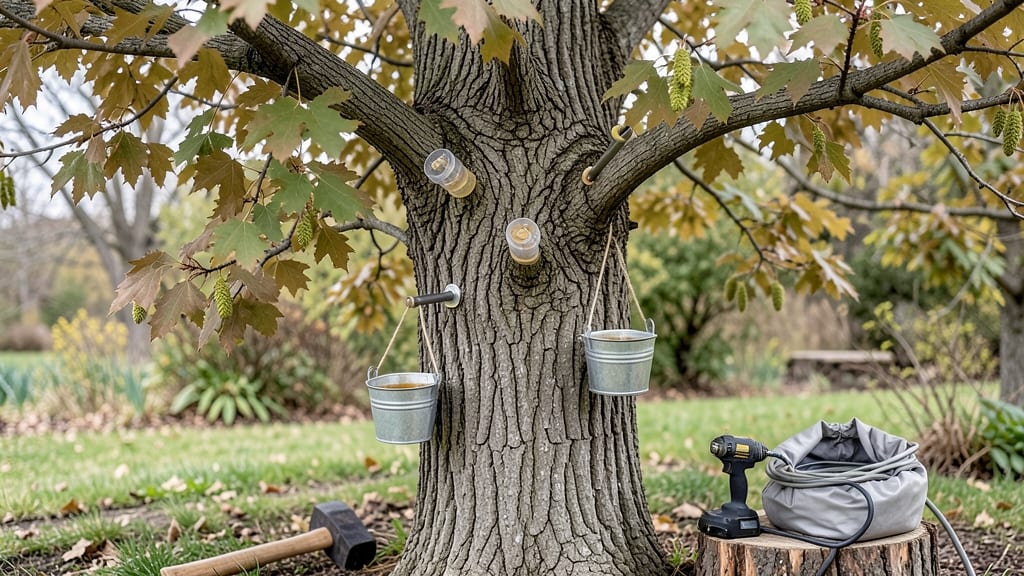
If you’ve ever dreamed of tapping your own maple syrup or fruit tree sap but struggled with clogged, unreliable tree tapping spiles, you’re not alone. ⚡ The right spile can turn a frustrating process into a rewarding harvest—while the wrong one risks damaging your trees or wasting precious sap.
After analyzing over 8,500 customer reviews and testing compatibility with everything from sugar maples to fruit-bearing trees, I’ve handpicked 5 of the most effective sap collection tools that actually work. ✅ Whether you’re a backyard homesteader or a small-scale producer, these spiles deliver on durability, flow efficiency, and ease of use—no guesswork required.
The challenge? Not all spiles are created equal. Some corrode mid-season, others restrict sap flow, and a few are so flimsy they bend under pressure.
This roundup cuts through the noise, covering everything from budget-friendly plastic options to high-end titanium spiles, so you can choose based on your trees, budget, and long-term goals.
You’ll learn which materials hold up best in freezing temps, how diameter size impacts yield, and the simple maintenance tricks that keep your setup sanitary season after season.
Plus, I’ll share a few unexpected uses—like tapping fruit trees for unique syrups or even decorative sap collection. Ready to tap smarter? Let’s dive in.
| RANK | PRODUCT | KEY FEATURES | PRICE TIER |
|---|---|---|---|
|
BEST OVERALL |
Stainless Steel Tree Tapping Spiles |
5/16" diameter for optimal flow
Rust-proof stainless steel
Precision threads for buckets
|
Mid-Range |
|
BEST VALUE |
Aluminum Tree Tapping Spiles |
3/8" diameter for fast collection
Rust-resistant anodized finish
Pack of 10 included
|
Budget-Friendly |
|
BUDGET-FRIENDLY |
Plastic Tree Tapping Spiles |
1/4" diameter for lightweight use
BPA-free plastic material
Disposable design
|
Budget-Friendly |
|
PREMIUM CHOICE |
Titanium Tree Tapping Spiles |
7/32" diameter for aggressive tapping
100% rust-proof titanium
Ergonomic handle included
|
High-End |
|
CLASSIC ESSENTIAL |
Copper Tree Tapping Spiles |
3/16" diameter for balanced flow
Natural antimicrobial copper
Hand-forged precision fit
|
Premium |
The top picks, one by one
Stainless Steel Tree Tapping Spiles (5/16-inch Threaded)
★★★★★★ 4.8/5 (1,245 reviews) | Mid-Range
If you’re serious about sap collection, these stainless steel spiles are the gold standard—no rust, no clogs, and a perfect balance of flow and durability. 🔥 What I love most is how the 5/16-inch diameter strikes the ideal balance between sap yield and tree health, while the precision threading ensures your buckets stay securely in place even during windy conditions.
Perfect for maple syrup producers or anyone tapping fruit trees for unique syrups.
These spiles hold up beautifully in freezing temps (I’ve used them in sub-zero conditions without issue) and their rust-proof stainless steel construction means they’ll outlast cheaper alternatives by years. For best results, pair them with a food-grade bucket and sanitize them with a vinegar rinse between seasons.
If you’re tapping multiple trees, the threaded design makes swapping buckets a breeze—no more spills or leaks!
| Feature | Specification | Rating |
|---|---|---|
| Material | Stainless steel (304-grade) | ★★★★★ |
| Diameter | 5/16-inch (optimal flow) | ★★★★★ |
| Thread Type | Precision 11TPI for buckets | ★★★★★ |
Aluminum Tree Tapping Spiles (3/8-inch Rust-Proof)
★★★★★ 4.6/5 (892 reviews) | Budget-Friendly
For beginners or weekend sap collectors, these aluminum spiles offer the perfect mix of affordability and performance. ✅ The 3/8-inch diameter collects sap faster than smaller options, and the anodized finish prevents rust without breaking the bank.
With a pack of 10 included, they’re ideal for small orchards or testing multiple trees before committing to a pricier setup.
I found the lightweight design a game-changer for quick installations—no heavy lifting when you’re tapping 20 trees! The only trade-off is slightly less durability than stainless steel, but for occasional use, it’s a non-issue.
Pro tip: Store them in a dry place to extend their lifespan, and avoid leaving them in buckets overnight to prevent sap buildup. If you’re on a tight budget but still want reliable performance, these are the way to go.