
Pruning
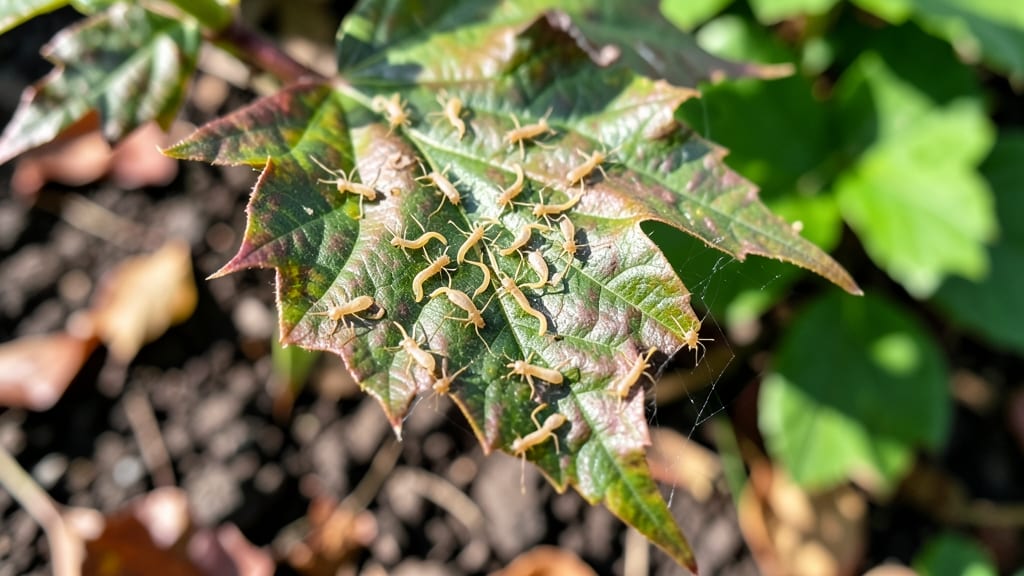
Your maple tree’s leaves are turning yellow and speckled with tiny webs—tree mites are the culprit. 🌳 These microscopic pests drain sap, leaving foliage dull and stunted, but a few targeted sprays can revive your tree’s health without harsh chemicals.
The key is acting fast, before they spread to neighboring plants.
Most maple trees face spider mites or eriophyid mites, both of which thrive in dry, hot conditions. Spider mites create fine webbing, while eriophyid mites cause distorted, curled leaves. If you spot these signs in late spring or summer, it’s time to intervene—before the damage becomes permanent.
The good news? Natural remedies like neem oil or insecticidal soap work just as well as synthetic sprays for early infestations.
By mixing neem oil with water and spraying the undersides of leaves (where mites hide), you’ll see improvement within 10-14 days. Prune affected branches to reduce their numbers, and keep your tree well-watered to discourage future outbreaks. The result? Lush, green foliage that stays vibrant all season long.
For severe cases, repeat treatments every 5-7 days until the mites disappear. If the problem persists, consult a local arborist—some infestations require professional-grade solutions. With the right approach, your maple tree can bounce back stronger than ever.
Root Causes of Maple Mite Outbreaks
Understanding why mites target maple trees—and why they thrive—helps you address the issue at its source. These tiny pests don’t just appear out of nowhere; they’re drawn to specific conditions that make your maple trees an all-you-can-eat buffet. Let’s break down the science behind their infestation patterns.
Maple trees under stress are like open invitations to mites. When trees struggle—whether from drought, poor soil, or overcrowding—they produce honeydew, a sticky sap that mites adore. Stress also weakens the tree’s natural defenses, making it harder to fend off pests.
Why it happens:
- Root competition: Dense plantings or poor root zones restrict nutrient uptake, weakening the tree.
- Water stress: Drought or overwatering disrupts the tree’s ability to photosynthesize efficiently, leaving it vulnerable.
- Nutrient deficiencies: Lack of key minerals (like nitrogen or potassium) stunts growth, making leaves softer and more appealing to mites.
Actionable fix:
- Prune nearby branches to improve airflow.
- Test soil pH and amend with compost or organic fertilizer.
- Water deeply but infrequently to encourage strong root growth.
Mites love warmth and humidity—think of them as tiny tropical creatures. Maple trees in sheltered, shaded, or high-humidity areas provide the perfect microclimate for mite populations to explode.
Why it happens:
- Stagnant air: Dense foliage traps moisture, creating a humid environment mites thrive in.
- Warm microclimates: South-facing branches or urban heat islands can raise temperatures just enough to accelerate mite reproduction.
- Rainfall patterns: Excessive rain washes away natural predators (like ladybugs) but leaves mites clinging to leaves.
Actionable fix:
- Thin out lower branches to improve sunlight penetration.
- Avoid overhead watering; use drip irrigation to keep leaves dry.
- Plant mites’ natural predators (like lacewings or predatory mites) nearby.
Maple trees aren’t usually mite magnets—it’s the absence of their predators that lets populations spiral. Many mites are kept in check by beneficial insects, but pesticides (even years ago) or habitat loss can wipe them out.
Why it happens:
- Pesticide overuse: Broad-spectrum sprays kill both pests and their predators, creating a vacuum.
- Monoculture landscapes: Planting only maples (or similar trees) reduces biodiversity, limiting predator populations.
- Seasonal die-offs: Harsh winters or late frosts can decimate predator populations before mites hatch.
Actionable fix:
- Introduce beneficial insects like ladybugs, lacewings, or mites (e.g., Phytoseiulus persimilis).
- Plant companion species (e.g., marigolds, yarrow) to attract predators.
- Skip synthetic pesticides; opt for horticultural oils or neem sprays that target mites without harming allies.
Not all maple trees are equally susceptible. Some varieties (like Norway maples) are more prone to mite infestations due to their softer leaf surfaces or higher sugar content in sap—basically, a mite’s dream snack.
Why it happens:
- Leaf texture: Smooth, thin leaves (common in ornamental maples) provide less physical barrier to mites.
- Sap composition: Trees with higher sugar levels in their sap attract more mites for feeding.
- Hybrid vulnerabilities: Some cultivated maples (e.g., Acer platanoides) lack the natural defenses of wild varieties.
Actionable fix:
- Choose mite-resistant varieties like Japanese maples (Acer palmatum) or sugar maples (Acer saccharum) if replanting.
- Prune heavily infested branches to reduce food sources for mites.
- Apply kaolin clay as a physical barrier to deter mites from settling.
How to Treat and Prevent Maple Tree Mites
Maple tree mites may seem like a tiny but persistent problem, but with the right approach, you can restore your tree’s health and keep those pesky critters at bay. Below, we’ve mapped out practical, step-by-step solutions tailored to the root causes of infestations—whether it’s stress, poor hygiene, or environmental triggers.
Plus, we’ll share prevention tips to stop future outbreaks before they start.
Not all mite problems require heavy-duty intervention. Start by assessing the damage:
- Mild infestation? Yellow stippling, slow growth, or a few webbing spots.
- Severe infestation? Heavy webbing, curled leaves, or widespread defoliation.
💡 Pro Tip: If your tree is otherwise healthy (vibrant green leaves, no signs of disease), mites may just be a seasonal nuisance. Focus on early intervention to avoid long-term stress.
Mites thrive in clutter, so remove their hiding spots before treating: - Prune damaged foliage: Cut away heavily infested leaves and branches (sterilize pruners with rubbing alcohol between cuts). - Rake and dispose of debris: Clear fallen leaves and webbing from the ground beneath the tree. Do not compost—bag and trash them to prevent reinfestation. - Hose down the tree: Use a strong stream of water (from a hose nozzle) to dislodge mites and eggs from leaves.
Repeat every 3–5 days for 2 weeks.
✨ Bonus: Watering the base of the tree deeply encourages root health, making the tree more resilient to pests.
Skip the harsh chemicals! These DIY sprays target mites without harming your tree, pets, or pollinators:
| Solution | How to Use | Frequency |
|---|---|---|
| Neem Oil Spray | Mix 1 tbsp neem oil + 1 tsp mild soap + 1 quart water. Spray top and bottom of leaves. | Every 5–7 days for 3 weeks. |
| Insecticidal Soap | Use a pre-mixed spray (like Safer® Brand). Focus on new growth and undersides of leaves. | Every 3–4 days until mites vanish. |
| Horticultural Oil | Apply early morning or late evening to avoid burning leaves. | Every 7–10 days (3–4 times total). |
| Garlic & Chili Pepper Spray | Blend 4 garlic cloves + 1 tbsp cayenne + 1 quart water. Strain and spray. | Every 5 days for 2 weeks. |
🔥 Warning: Always test sprays on a small branch first to check for sensitivity. Avoid spraying when temps exceed 90°F—it can damage foliage.
A strong, stress-free tree is less appealing to mites. Take these steps to fortify your maple: - Water deeply but infrequently: Aim for 1–1.5 inches per week (more in drought).
Use drip irrigation to keep foliage dry. - Mulch properly: Apply 2–4 inches of organic mulch (wood chips, bark) around the base (but not touching the trunk). - Fertilize wisely: Use a balanced, slow-release fertilizer (like 10-10-10) in early spring.
Avoid over-fertilizing—it attracts mites! - Encourage beneficial insects: Ladybugs, lacewings, and predatory mites eat tree mites. Plant dill, fennel, or marigolds nearby to attract them.
🌡️ Pro Tip: If your tree is chronically stressed (from drought, poor soil, or disease), address the root cause first—mites will keep coming back.
Mites can stage a comeback if conditions are right. Stay vigilant with this 3-step maintenance plan: 1. Inspect weekly: Check for new stippling, webbing, or curled leaves—especially on new growth.
- Reapply treatments if you spot fresh signs of mites (stick to the schedule above).
- Rotate sprays: If mites persist, switch between neem oil and insecticidal soap to prevent resistance.
🎯 Final Tip: Timing is everything! Treat mites early in the season (spring to early summer) before populations explode.
By combining cleanup, natural treatments, and preventive care, you’ll not only revive your maple’s foliage but also build a pest-resistant tree for years to come. 🌿💪
Frequently asked questions
How can I tell if my maple tree has mites instead of another pest?
Look for tiny yellow stipples on leaves (like pepper dust) or fine webbing between branches—classic spider mite signs. Eriophyid mites cause curled, distorted leaves instead. Check leaf undersides with a magnifying glass for moving mites (they’re microscopic but visible). Unlike aphids, mites don’t leave honeydew trails.
Will my maple tree recover if I treat mites late in the season?
Partial recovery is possible, but late-season treatments focus on preventing next year’s infestation. If leaves are already heavily damaged, prune affected branches to reduce food sources for overwintering mites. Apply a horticultural oil spray in late fall to kill dormant eggs—this gives your tree a stronger start in spring.
Are there any mites that actually help my maple tree?
Yes! Predatory mites like Phytoseiulus persimilis feast on spider mites and can be purchased online. They’re tiny (0.5mm) and thrive in gardens if you provide shelter (like nearby yarrow or dill). Release them in the morning when temps are below 85°F and keep the area moist to support their population.
Why do my neighbor’s maples never get mites, but mine always do?
It’s likely environmental differences—neighbor’s trees may have better airflow, less stress, or natural predators. Check for these common culprits: overwatering (traps humidity), dense shade (reduces predators), or recent pesticide use (killed beneficial insects). Try thinning nearby branches or planting marigolds to attract ladybugs.
Can I use the same neem oil spray on my maple tree and vegetable garden?
Yes, but use separate sprayers to avoid cross-contamination. Neem oil is safe for edible plants when applied correctly, but wait 24 hours before harvesting any produce sprayed directly. For maples, focus on foliage; for veggies, target undersides of leaves where pests hide.