
Landscaping
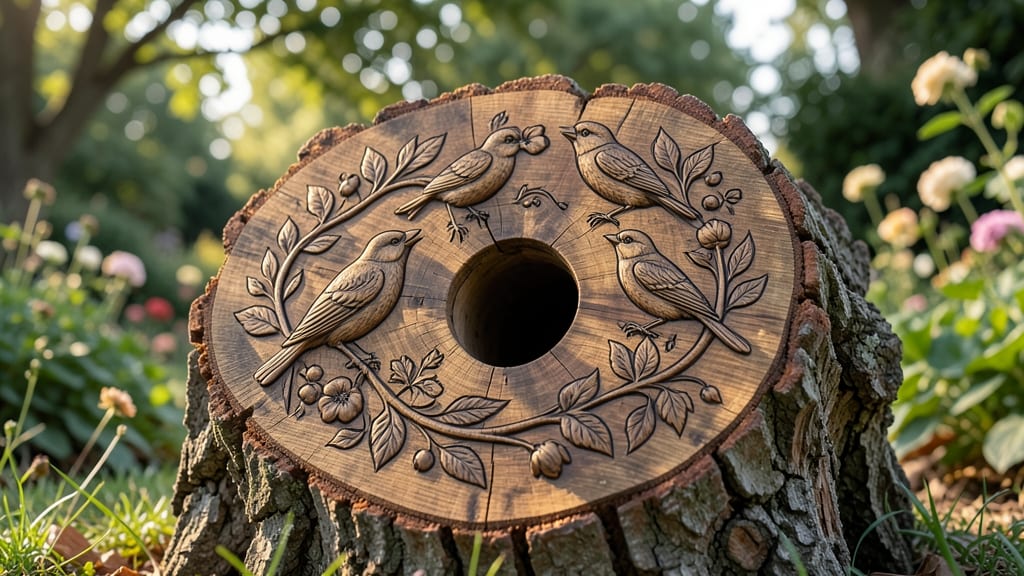
Transforming old tree stumps into bird houses is a creative way to repurpose garden waste while providing vital nesting spaces for local wildlife. These 10 upcycled designs blend natural aesthetics with functional bird habitats, perfect for eco-conscious gardeners.
Classic Woodpecker Stump Nesting Box
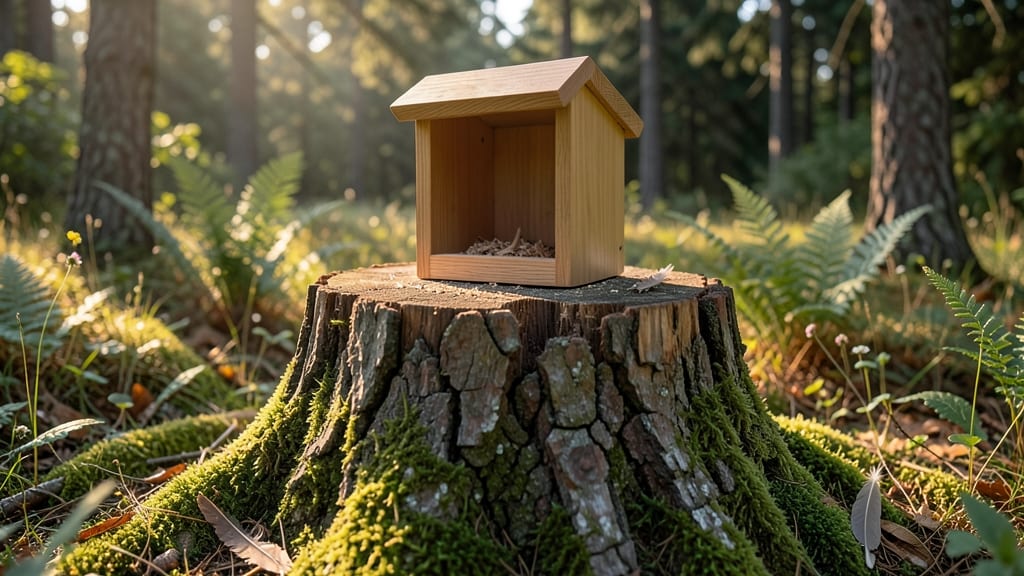
Hear that rhythmic drumming in your backyard? You might be missing the chance to attract woodpeckers and nuthatches with a classic stump nesting box—a natural cavity mimic that these birds adore. Unlike traditional birdhouses, this design uses angled entry holes to deter predators while keeping nesting materials dry, just like a real tree hollow.
Start with a rot-resistant hardwood stump (oak or cedar work best) and carve a 3-inch diameter hole at a 45-degree angle, about 5-10 feet off the ground. Add a predator guard (like a metal collar) to block snakes and raccoons. For extra appeal, let moss grow naturally around the base—birds love the camouflage! Place it near deciduous trees where woodpeckers forage for insects.
This design is perfect for forest-edge gardens or wooded backyards where these cavity-nesters thrive. Plus, it’s a low-maintenance way to support year-round wildlife while adding rustic charm to your landscape. 🌟
Mason Bee House with Drill Holes
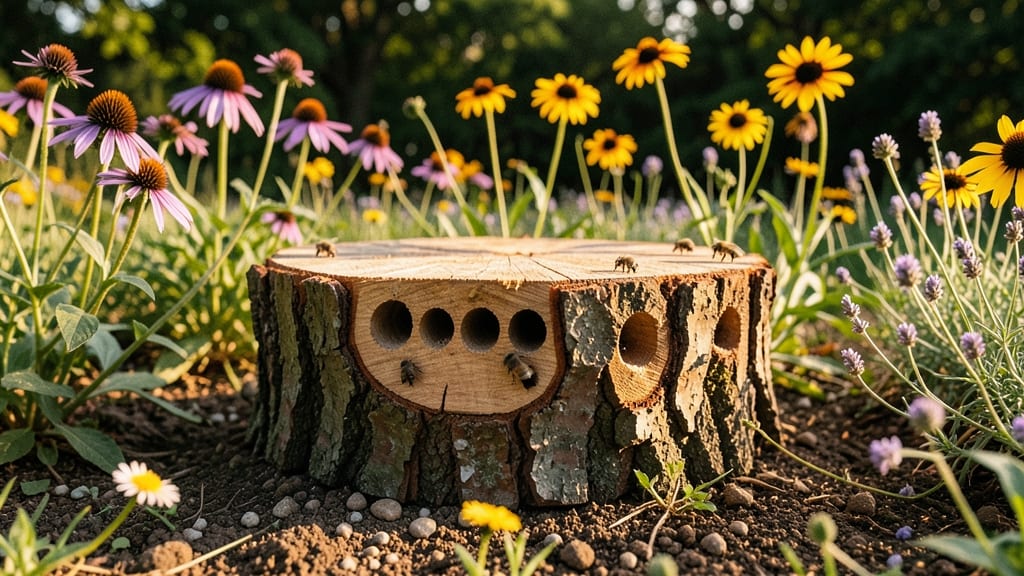
Want to turn your garden into a buzzing pollinator paradise? A mason bee house made from a tree stump is the perfect solution—these tiny, solitary bees are nature's most efficient pollinators, and they'll transform your yard into a high-productivity haven.
Drill 5/16-inch holes (6-8 inches deep) into a clean, untreated stump, spacing them 1/4 inch apart to mimic natural nesting cavities. Face the holes southward to keep them dry, and mount the stump 1-3 feet off the ground near early-blooming plants like lavender or fruit trees. Unlike honeybees, mason bees don’t sting and thrive in small spaces, making them ideal for urban or small gardens.
This project is a game-changer for vegetable gardeners and fruit tree owners, as mason bees boost pollination rates by up to 90%—leading to bigger yields with less effort. Plus, the rustic stump design blends seamlessly into any landscape. 🌿
Hummingbird Stump Feeder House
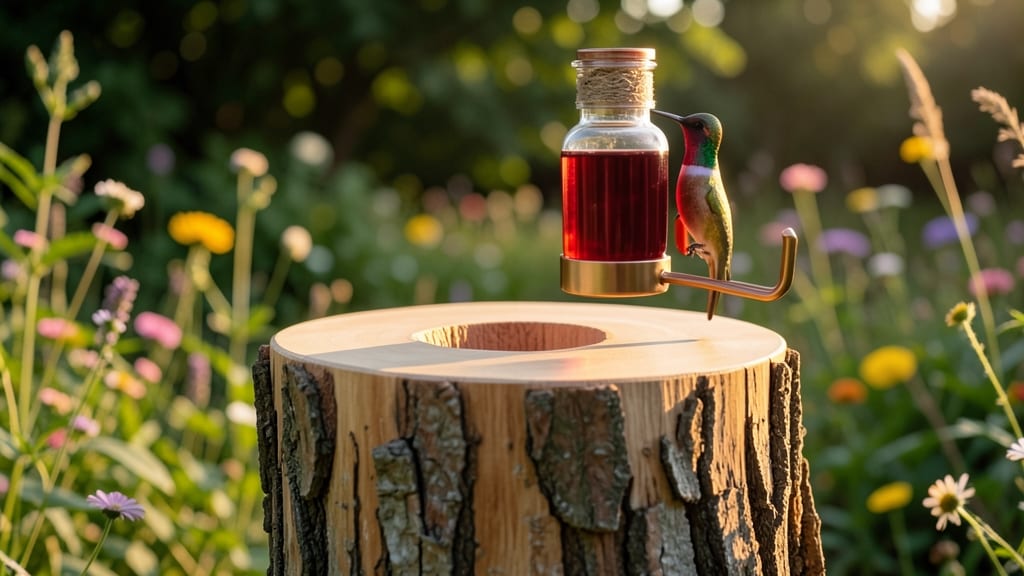
Want to turn your garden into a hummingbird hotspot without sacrificing style? A hummingbird stump feeder house does double duty by offering both nesting space and a built-in nectar station, making it a year-round magnet for these iridescent visitors.
Start with a smooth-sided stump (cedar or redwood lasts longest) and carve a small cavity (4-6 inches deep) near the top for nesting. Add a shallow reservoir (like a drilled well) below the perch, filled with a 1:4 sugar-water mix (no dye!). Position the stump near red tubular flowers for natural foraging, and place it where it gets morning sun to keep the nectar fresh. The dual functionality means hummingbirds will visit for meals and nesting, giving you a front-row seat to their acrobatic feeding displays.
This design is perfect for small urban gardens where space is limited but you want maximum wildlife impact. Plus, the rustic charm blends beautifully with cottage-style landscapes. 🌟
Bluebird Trail Stump House
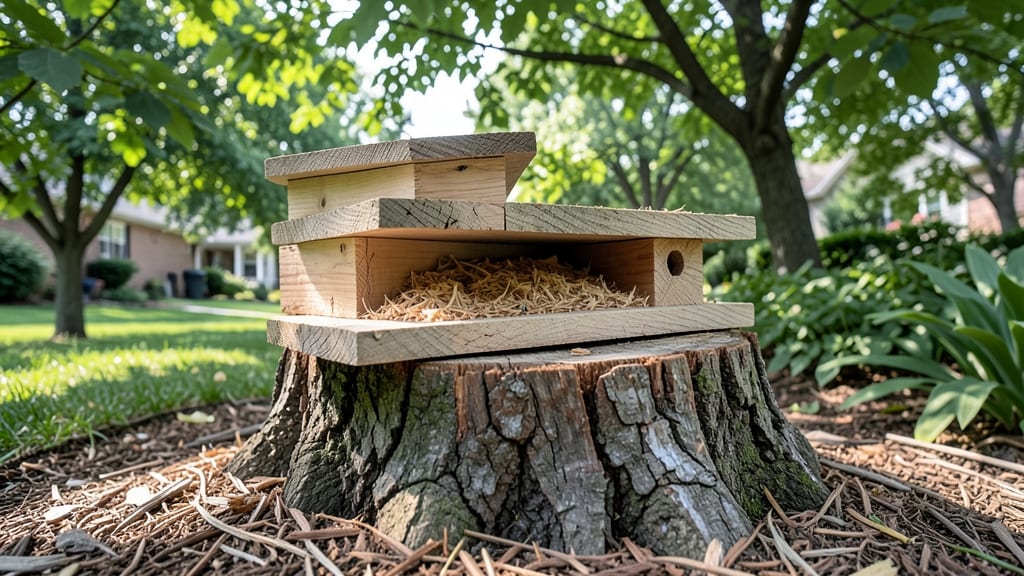
Looking to make a real difference in your suburban garden? A bluebird trail stump house is one of the most rewarding projects you can undertake—these charming birds are in serious decline, and your garden could become a critical hub for their recovery.
The key to success lies in precise dimensions: a 4" x 4" entrance hole placed 5-6 feet off the ground, with a predator guard (like a metal baffle) installed below to block snakes and raccoons. Use untreated cedar or pine for longevity, and mount the stump on a wooden platform to keep it dry. Bluebirds prefer open areas with low shrubs for perching, so place yours near your lawn or garden edges.
This project is perfect for suburban gardeners who want to combine conservation with curb appeal. Just add some native grasses nearby, and you'll have a thriving bluebird family in no time. 💚
Owl Perch Stump Lookout
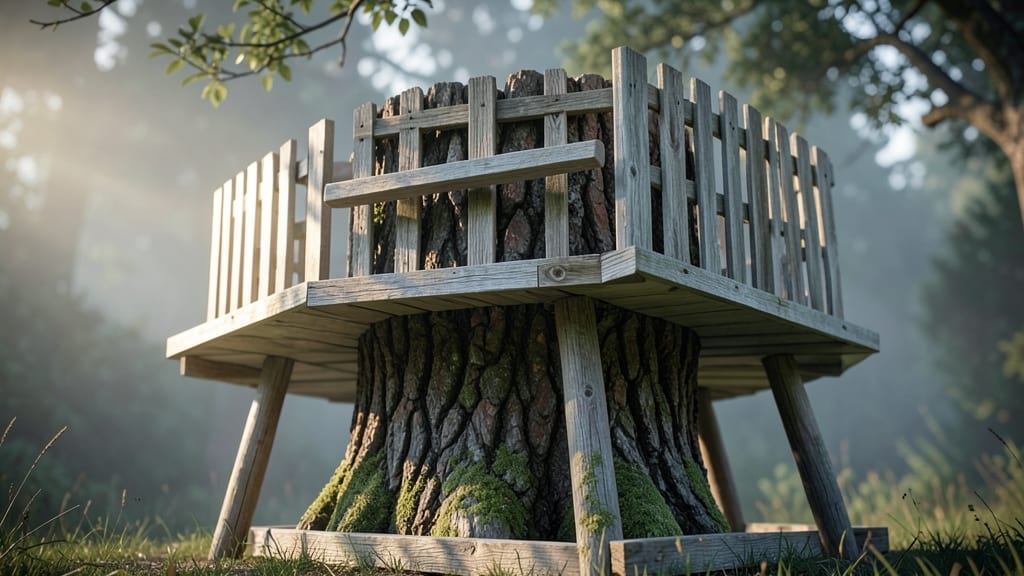
Tired of pests ruining your garden? Turn that old tree stump into a natural owl lookout—a silent predator's perch that keeps rodents, rabbits, and insects at bay. Unlike traditional birdhouses, this elevated platform mimics the hunting behavior of owls, attracting them to your yard with minimal setup.
Start by selecting a large, sturdy stump (at least 12 inches in diameter) and sanding it smooth. Carve a small, flat perch on top (about 6 inches wide) and position the stump in an open area with unobstructed views—owls prefer elevated vantage points. Add a few predator guards (like wire mesh around the base) to deter raccoons or cats. Place it near your vegetable beds or flower borders for maximum pest control.
This design is perfect for vegetable gardeners and wildlife enthusiasts who want a low-maintenance solution. With owls patrolling your yard, you’ll see fewer slugs in your lettuce and fewer holes in your tomatoes. 🌟
Chickadee Stump Cluster
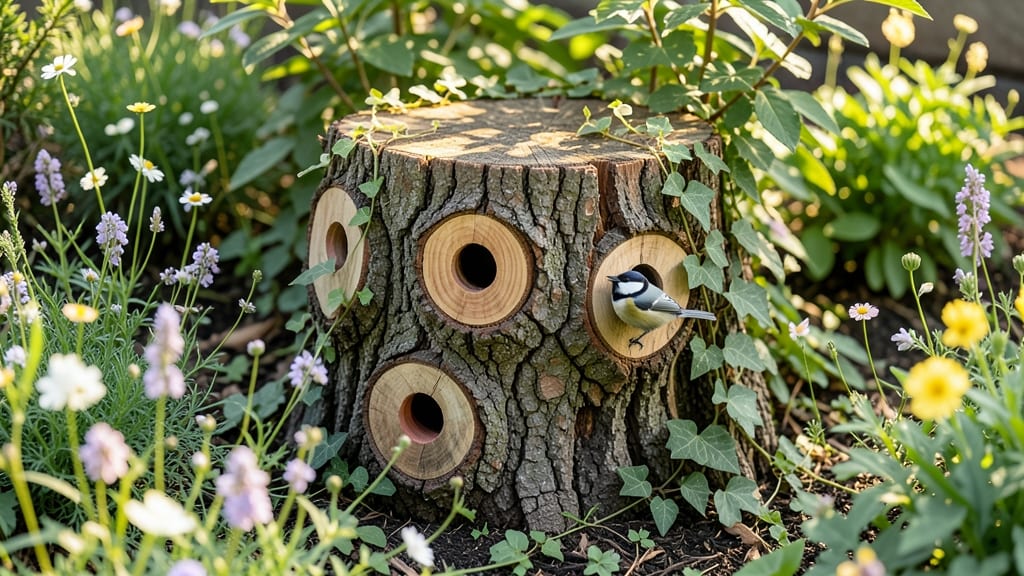
Small gardens still deserve big birdwatching moments—especially when you can welcome chickadees, those cheerful little songbirds that brighten any yard. A chickadee stump cluster solves the space dilemma by combining multiple nesting chambers into one repurposed stump, making it ideal for urban or compact landscapes.
Carve 4-6 small cavities (2-3 inches deep, 1.5 inches wide) in the stump, spaced 1-2 feet apart for territorial privacy. Use untreated cedar or pine for durability, and mount the stump 5-10 feet high near shrubs for chickadees to forage safely. These birds prefer natural wood textures, so skip paint—let the stump weather for a cozy, rustic look that mimics their wild nests.
Perfect for gardeners who love wildlife but lack room for multiple houses, this design turns one stump into a year-round chickadee hotel. Watch families flit between chambers as they raise broods—nature’s tiny neighbors in your own backyard. 🌿
Barn Owl Roosting Stump
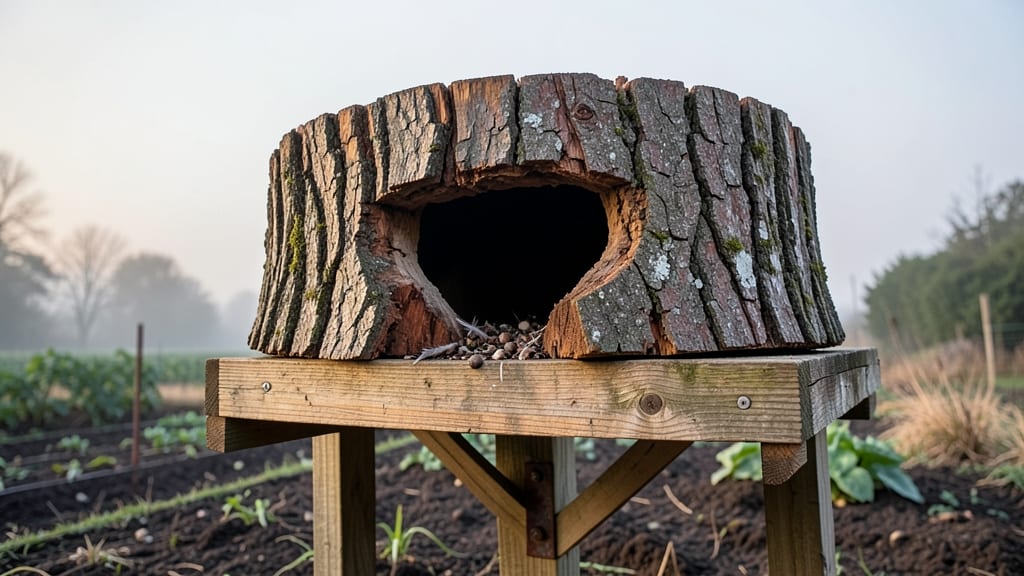
If you're tired of losing vegetables to nocturnal nibblers, a barn owl roosting stump could be your garden's new best friend. This isn't just any birdhouse—it's a large, elevated cavity designed to attract barn owls, nature's most effective rodent controllers. Their presence alone can drastically reduce vole, mouse, and gopher populations in your vegetable beds.
To create one, start with a 12-18 inch diameter stump (at least 3 feet tall) and carve a 12-14 inch diameter entrance at the top, positioned 4-5 feet above ground. Use untreated cedar or redwood for durability, and place it near your garden's perimeter where owls can launch into the wind. Barn owls prefer open areas with some tree cover, so position it near a fence line or open meadow edge.
This design works best for gardeners with vegetable plots or orchards where rodent damage is a recurring problem. The owls will hunt at dusk and dawn, providing 24/7 pest control without chemicals. Just remember—barn owls are nocturnal, so you might not see them during the day. 🌿
Wren Stump Suite with Moss Roof
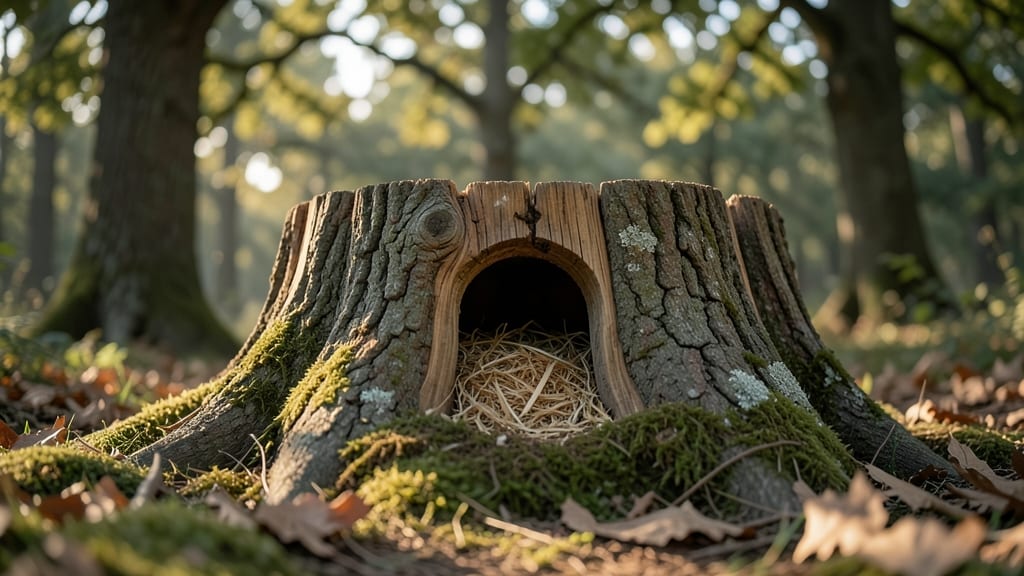
If you love the sound of wrens chirping in your garden but want a design that feels like it belongs in the wild, this wren stump suite is your perfect match. Unlike traditional birdhouses, this low-profile option mimics the natural nesting spots wrens prefer—think cozy, hidden, and earthy.
Start with a small, weathered stump (about 12-18 inches tall) and carve a tiny entrance hole (1-1.5 inches wide) near the top. The magic happens with the moss roof: use a mix of sphagnum moss and natural twigs to create a thatched, water-resistant covering. Place it in a shady spot surrounded by ferns or hostas to blend seamlessly into woodland gardens. Wrens adore the snug, protected space and will return year after year. 🌿
Floating Duck Box Stump
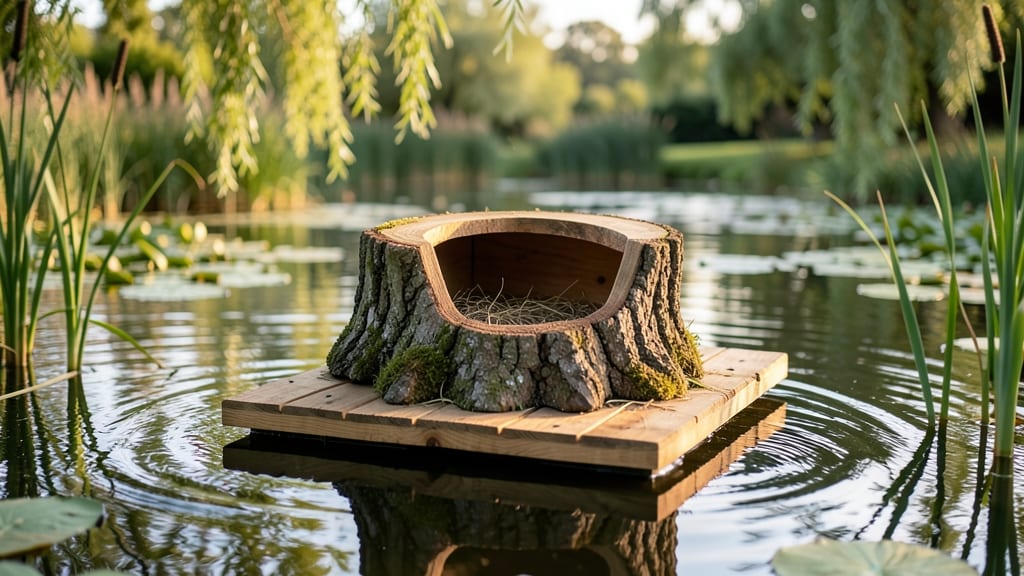
Turn your pond into a wildlife haven with a floating duck box stump—a charming way to attract wood ducks while adding rustic elegance to your aquatic garden. Unlike traditional birdhouses, this design floats on the water’s surface, mimicking the natural nesting habits of these graceful birds. The elevated entrance keeps eggs safe from predators while providing easy access for ducks.
To create one, start with a waterproofed stump (use marine-grade sealant or cedar, which resists rot). Carve a 12-14 inch entrance hole at least 3 feet above the waterline, then add a floating platform (like a wide wooden base) to keep it stable. Place it near shallow edges where ducks forage, and watch as they claim it as their own. The stump’s natural texture also doubles as a perch for dragonflies and other pond wildlife.
This project is perfect for gardeners with ponds or small lakes—it’s both functional and decorative, blending seamlessly into water gardens while supporting local wildlife. Plus, the serene sight of ducks gliding in and out makes it a focal point for any outdoor space. 🌟
Artistic Carved Songbird Stump

Turn your garden into a living gallery with a carved songbird stump that doubles as functional wildlife art. These stumps feature intricate designs of birds, flowers, or foliage that not only attract finches, sparrows, and wrens but also become the centerpiece of your outdoor space.
Start with a rot-resistant hardwood stump like cedar or oak, then use chisels or power tools to carve shallow relief designs around potential nesting cavities. Keep entry holes 1.5 inches wide for small songbirds and place the stump near shrubs for natural cover. The detailed carvings create visual interest while providing perches that make birds feel secure.
Perfect for cottage gardens or whimsical landscapes, this project appeals to both bird lovers and design enthusiasts. Your neighbors will ask how you made it—and your local songbirds will thank you for the new home! 🌷