
Pests
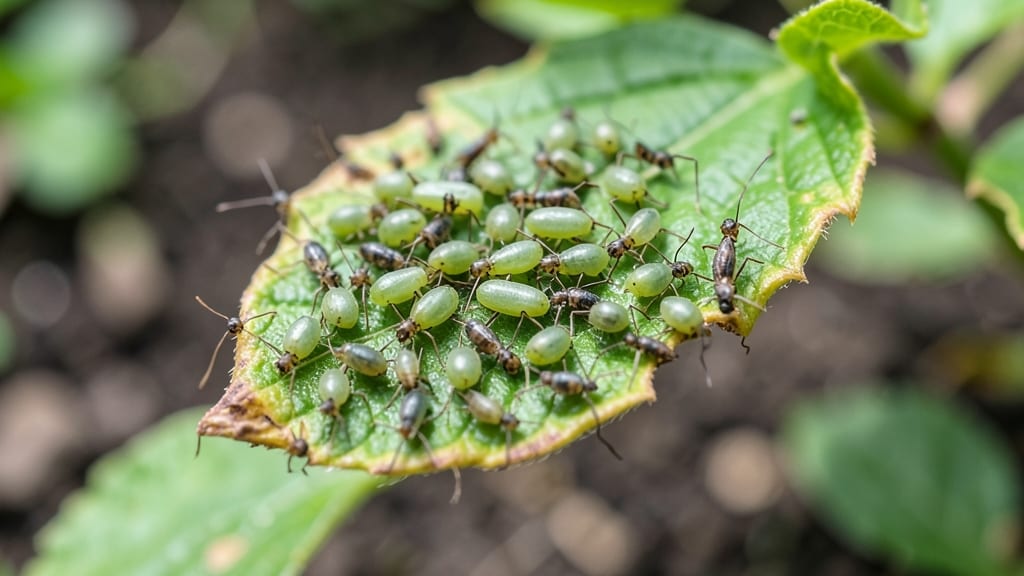
A tree infested with aphids can look like it’s under attack—but there’s a 10-minute natural spray that saves the day. 🌿 I’ve battled these sap-sucking pests on my oak and maple trees, and the right mix of soapy water and neem oil clears them up fast without harming bees or the tree itself.
The key is acting early when you spot sticky honeydew on leaves or tiny green/black clusters along new growth. Aphids multiply fast, but this spray disrupts their life cycle while being safer than chemical options.
Just mix 1 tablespoon mild dish soap, 1 tablespoon neem oil, and 1 quart water—spray until leaves glisten, and repeat every 5-7 days if needed. You’ll see results within 24-48 hours: aphids will drop off, and new leaves will emerge clean.
The tree stays healthy, and the ecosystem thrives. Best of all, this method works for fruit trees, ornamentals, and even houseplants. For severe cases, consider ladybugs or lacewings—they’re nature’s pest control. But for most infestations, this spray is the fastest, most effective fix.
Let’s get your tree back to its full glory!
Root Causes Of Aphid Outbreaks
When your tree becomes a buffet for aphids, it’s rarely just bad luck—these tiny sap-sucking pests thrive because of specific conditions. Understanding why they target your tree is the first step to stopping them.
Below, we break down the science behind aphid infestations, from environmental triggers to tree vulnerabilities, so you can address the root cause—not just the symptoms.
Aphids are drawn to trees that are already struggling. When a tree’s natural defenses are compromised, it emits chemical signals (like volatile organic compounds, or VOCs) that aphids detect as a "stress scent." Here’s what weakens your tree’s resilience:
- Nutrient Deficiencies: Trees low in nitrogen, phosphorus, or potassium produce weaker sap, making them easier targets. Think of it like a human with a vitamin deficiency—aphids are the opportunistic "bugs" taking advantage.
- Drought Stress: Prolonged dry spells force trees to conserve water, reducing sap flow. Aphids love slow-moving sap because it’s easier to access. Drought-stressed trees also produce more sugars in their sap, which aphids adore.
- Root Damage: Compacted soil, construction disturbances, or girdling roots (where roots circle the trunk) starve the tree of nutrients. A weakened root system = a weaker immune response.
- Recent Pruning or Wounding: Fresh cuts expose sap, which aphids detect within minutes. Even minor damage (like hail or animal scratches) can trigger an infestation.
💡 Pro Tip: Healthy trees repel aphids naturally. Before spraying, check your tree’s soil pH (ideal: 6.0–7.0) and fertilize with a balanced, slow-release formula if needed.
Aphids don’t just appear—they’re drawn to environments that support their survival. These conditions turn your tree into an aphid paradise:
| Factor | Why It Attracts Aphids | How to Fix It |
|---|---|---|
| 🌡️ Warm Temperatures | Aphids multiply fastest between 60–80°F (15–27°C). Warmer climates = faster reproduction cycles (some species can produce hundreds of offspring in weeks). | Use reflective mulch or shade cloth to reduce leaf surface temps in extreme heat. |
| 💧 High Humidity | Moisture slows natural predators (like ladybugs) and keeps aphids hydrated. They also excrete "honeydew," a sticky byproduct that attracts mold and other pests. | Improve airflow with strategic pruning and avoid overwatering. |
| 🌳 Dense Foliage | Thick canopies trap heat and moisture, creating microclimates perfect for aphids. They also hide from predators and pesticides. | Thin out branches to increase sunlight penetration and reduce humidity. |
| 🍃 New Growth | Aphids prefer tender, new leaves because they’re rich in nutrients and easier to penetrate. This is why infestations often start in spring. | Apply a natural aphid deterrent (like neem oil) to new growth as a preventive measure. |
✨ Key Insight: Aphids rarely attack a tree in isolation. If you see them on one plant, check nearby species—they’re likely part of a larger outbreak triggered by environmental factors.
Aphids are soft targets because their biggest threat—their natural enemies—is often missing. When predator populations drop, aphids explode in numbers. Here’s why:
- Pesticide Overuse: Broad-spectrum chemical pesticides kill aphids’ predators (ladybugs, lacewings, parasitic wasps) faster than the aphids themselves. This creates a vacuum effect, where aphids rebound unchecked.
- Monoculture Landscaping: Planting the same species (like a row of identical fruit trees) removes biodiversity. Predators need variety to survive, and aphids thrive in uniformity.
- Urbanization: Lawns, pavement, and lack of wildflowers eliminate habitats for beneficial insects. Without alternative food sources (like pollen), predators abandon your garden.
- Seasonal Timing: Some predators (like hoverfly larvae) emerge after aphid populations peak. By then, the damage is done.
🔥 Actionable Fix: Introduce predator-friendly plants (e.g., dill, fennel, or yarrow) near your tree to attract ladybugs and lacewings. Even a small patch of clover can make a difference.
Not all trees are created equal—some are aphid magnets due to their biology. Aphids have evolved to exploit specific plant chemistry:
- Fast-Growing Trees: Species like willows, poplars, and fruit trees (apples, cherries) grow rapidly, producing abundant sap—a high-calorie meal for aphids.
- Soft-Leafed Varieties: Trees with thin, delicate leaves (e.g., roses, lilacs) are easier for aphids to pierce and feed on.
- Sap-Rich Species: Maple, birch, and ash trees have high sugar content in their sap, which aphids crave.
- Evergreens in Drought: While aphids prefer deciduous trees, stressed evergreens (like pines) can attract species like pine needle scale, which weakens the tree over time.
🎯 Prevention Tip: If you’re planting new trees, choose aphid-resistant varieties (e.g., disease-resistant apple cultivars or honey locust for shade). For existing trees, focus on stress reduction—the #1 factor in aphid attraction.
Quick Fixes for Sap-Sucking Tree Invaders
Aphids may seem like tiny troublemakers, but with the right approach, you can banish them fast—without harsh chemicals. Below are targeted solutions based on the root cause of your tree’s infestation, plus prevention tips to keep those sticky pests away for good.
If your tree is stressed, overwatered, or nutrient-deficient, aphids see it as an all-you-can-eat buffet. Strengthen its immunity with these steps:
💧 Adjust Watering Habits
- Problem: Overwatering creates a damp, aphid-friendly environment.
- Fix:
- Water deeply but less frequently—let the top 2 inches of soil dry out between waterings.
- Improve drainage by adding compost or mulch (2–3 inches) around the base (but avoid touching the trunk).
- Pro Tip: 🌡️ Use a moisture meter to check soil—aphids love soggy roots!
🍃 Feed Your Tree the Right Way
- Problem: Weak trees attract pests because they can’t fight back.
- Fix:
- Fertilize in early spring with a balanced, slow-release fertilizer (10-10-10 ratio).
- Avoid high-nitrogen fertilizers—they promote soft, aphid-loving growth.
- Natural boost: Mix 1 tbsp of fish emulsion into water and spray foliage (dilute 1:10) for a nutrient kick.
🌳 Prune for Better Airflow
- Problem: Dense foliage traps moisture and hides aphids.
- Fix:
- Remove dead, diseased, or overcrowded branches (sterilize pruners with rubbing alcohol).
- Thin out branches to improve sunlight and airflow—aphids hate dry conditions!
- Step-by-Step: ⏰✂️ 1.
Prune in early morning (when aphids are least active). 2. Cut just above a leaf node (where new growth starts). 3. Dispose of clippings in a sealed bag (don’t compost infested material).
If aphids have already taken over, act fast with these DIY sprays that work in minutes (no waiting weeks for chemicals).
🍊 Soapy Water Blast (Instant Kill)
- Why it works: Aphids drown in soapy water, and the film suffocates them.
- Recipe:
- Mix 1 tsp mild liquid soap (like Castile or dish soap) + 1 quart of water.
- Add 1 tbsp vegetable oil (helps break down aphid waxy coating).
- How to apply: 👨🍳💦
- Spray directly on aphids (focus on undersides of leaves).
- Reapply every 3–5 days until gone.
- Caution: Avoid spraying in direct sunlight (can burn leaves).
🌿 Neem Oil Spray (Prevents Reinvasion)
- Why it works: Neem oil disrupts aphid feeding and reproduction.
- Recipe:
- Mix 1 tbsp neem oil + 1 tsp mild soap + 1 quart water.
- Add 1 tsp honey or sugar (helps stick to leaves).
- How to apply: 🌿⏰
- Spray evenly on all surfaces (aphids hide on new growth).
- Apply at dusk (less harmful to bees).
- Reapply every 7–10 days for prevention.
🐝 Ladybugs & Lacewings (Free Pest Control)
- Why it works: These beneficial insects eat hundreds of aphids daily.
- How to attract them:
- Plant dill, fennel, or yarrow near your tree (they love these flowers).
- Avoid pesticides (they’ll kill ladybugs too!).
- Buy ladybug larvae online and release them at dawn (they’re nocturnal).
Once you’ve kicked aphids out, lock the door with these low-effort habits:
| Prevention Tip | How to Do It | Why It Works |
|---|---|---|
| 🌱 Mulch Properly | Spread 2–3 inches of mulch (wood chips, straw) away from the trunk. | Keeps soil moist but reduces aphid-friendly dampness. |
| 🐝 Encourage Predators | Plant marigolds, cosmos, or alyssum near trees. | Attracts ladybugs, lacewings, and parasitic wasps. |
| 🍃 Monitor New Growth | Check new leaves daily in spring. | Aphids love tender shoots—catch them early! |
| 🚫 Avoid Over-Fertilizing | Use slow-release fertilizer sparingly. | Too much nitrogen = soft, aphid-attracting leaves. |
| 🌧️ Water at the Base | Water at the soil level, not leaves. | Prevents aphid-friendly moisture on foliage. |
💡 Pro Tip: If aphids return, rotate sprays (e.g., soapy water one week, neem oil the next) to prevent resistance.
With these fast-acting fixes and preventive habits, your tree will bounce back stronger—and aphids won’t stand a chance! 🚀🌳
Frequently asked questions
How do I know if my tree has aphids?
Look for tiny green, black, or yellow clusters on new growth or leaf undersides. You’ll also spot sticky honeydew on leaves below infested areas, or ants (they farm aphids!). Check for curled or yellowing leaves—aphids suck sap, weakening the tree.
Can I use store-bought insecticide on my tree?
Chemical sprays work but kill beneficial insects too. For severe cases, use horticultural oil or pyrethrin-based sprays (less toxic). Always follow label instructions and apply at dusk to protect bees. Test a small branch first!
Will aphids kill my tree?
Not directly—but heavy infestations stress trees by sucking sap, causing leaf drop, and spreading sooty mold. Young or weak trees are most at risk. Act fast with soapy water or neem oil to prevent long-term damage.
How often should I spray for aphids?
For mild cases, spray every 3-5 days with soapy water. Neem oil needs weekly applications for prevention. Stop once you see no new aphids for 2 weeks—over-spraying can harm the tree.
What if my tree keeps getting aphids?
Check for underlying issues: overwatering, poor drainage, or nutrient deficiencies. Improve soil health, prune for airflow, and plant predator-friendly flowers (like dill) nearby. If problems persist, consult an arborist for soil testing.