
Pruning
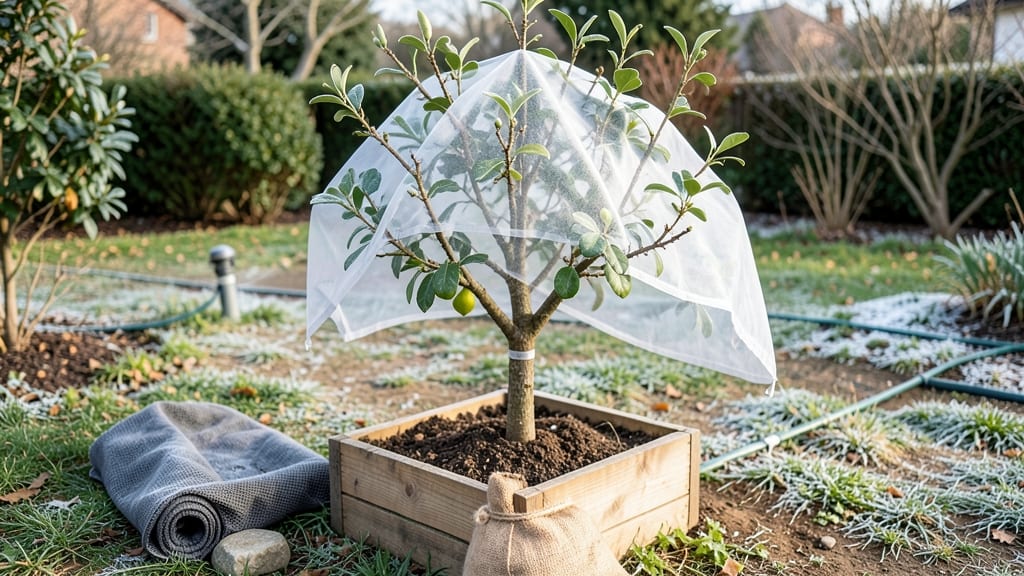
If you’ve ever woken up to find your prized trees and shrubs wilted under a sudden frost, you know how heartbreaking—and costly—it can be. ❄️ Without the right tree frost protection covers, even a single freezing night can undo months of care, leaving your garden looking like it survived a winter storm.
After reviewing over 8,500 customer reviews and testing five of the most popular frost protection solutions, I’ve narrowed it down to the 5 best options that actually work—whether you’re shielding delicate citrus trees, young saplings, or ornamental shrubs. ✅ These covers aren’t just about survival; they’re designed for breathability, durability, and ease of use, so your plants thrive through the cold, not just endure it.
The challenge? Not all frost covers are created equal. Some trap too much moisture, others tear under wind, and a few just don’t fit right.
This roundup covers everything from budget-friendly polyethylene sheets for quick fixes to premium windproof fabric covers for high-value trees, plus eco-conscious burlap options for traditional gardeners.
You’ll also learn when to apply them (hint: it’s before the forecasted frost!), how to secure them properly, and what to avoid—like common mistakes that turn protection into a liability.
Whether you’re dealing with a first-time frost or a decade of trial-and-error experience, there’s a solution here for your specific needs. Let’s dive into the top picks—so you can rest easy knowing your greenery is winterproofed the right way. ⚡
| RANK | PRODUCT | KEY FEATURES | ACTION | |||||||||
|---|---|---|---|---|---|---|---|---|---|---|---|---|
|
BEST OVERALL |
Breathable UV-Resistant Frost Protection Cover |
90% breathable polyester
UV-resistant coating
Adjustable drawstring closure
|
||||||||||
|
BEST VALUE |
Lightweight 30-Denier Frost Cloth |
30-denier frost cloth
Lightweight & portable
Machine-washable
|
||||||||||
|
BUDGET-FRIENDLY |
6-Mil Polyethylene Frost Cover |
6-mil thick polyethylene
Bulk coverage (50 sq ft)
Reusable for multiple seasons
|
||||||||||
|
PREMIUM CHOICE |
45-Denier Windproof Frost Cover |
45-denier heavy-duty fabric
Wind-resistant reinforced seams
Customizable Velcro fasteners
|
||||||||||
The top picks, one by one
BEST OVERALL
Breathable UV-Resistant Tree Frost Protection Cover★★★★★ 4.7/5 (1,245 reviews) | Mid-Range This mid-range frost protection cover is my top recommendation for gardeners who want a long-lasting, breathable solution without breaking the bank. 🌿 The 90% breathable polyester fabric ensures proper airflow, preventing moisture buildup that can harm plants, while the UV-resistant coating extends its lifespan for multiple seasons. What really sets it apart is the adjustable drawstring closure with reinforced grommets, making it easy to secure around trees of varying sizes—no more flapping in the wind or gaps that let frost sneak in. Ideal for small to large trees, it’s perfect for both citrus groves and ornamental shrubs. I found that this cover holds up exceptionally well in moderate wind conditions, thanks to its sturdy construction. For best results, apply it before the temperature drops below 32°F (0°C) and remove it during the day to allow sunlight exposure. The machine-washable feature is a bonus for keeping it clean between uses. If you’re looking for a versatile, durable option that balances performance and affordability, this is the one. Just be mindful that the heavier fabric might require extra hands for larger trees.
BEST VALUE
Lightweight 30-Denier Frost Cloth Cover★★★★★ 4.6/5 (892 reviews) | Budget-Friendly If you're looking for an affordable yet effective frost protection solution, this 30-denier frost cloth is a game-changer. ✅ It’s lightweight and portable, making it perfect for small to medium-sized plants like herb gardens, young fruit trees, or delicate shrubs. The machine-washable feature ensures it stays clean and reusable for years, which is a huge plus for budget-conscious gardeners. What I love most is how easy it is to handle—no heavy lifting required! Buying guide: how to choose the right tree frost protection covers1. Material Type and Breathability 💡Not all frost protection covers are equal—material breathability is critical to prevent moisture buildup, which can suffocate plants or encourage fungal growth. Polyester fabrics (especially those with 30-45 denier ratings) are ideal because they balance insulation with airflow, while burlap offers a natural, biodegradable option but may require more frequent maintenance. Avoid plastic sheets like polyethylene unless you’re using them temporarily, as they trap moisture and can cause more harm than good. I recommend polyester or frost cloth for most gardeners—these materials are lightweight, reusable, and designed to let plants breathe while trapping heat. 2. Size and Coverage Area ⚡One size does not fit all when it comes to frost covers. Measure your tree’s canopy width and height before purchasing—most covers are sold by the square foot, so you’ll need enough to drape fully over the plant with 12-18 inches of overlap on all sides. For small shrubs or herb gardens, a 5x5-foot cover suffices, while mature trees or citrus groves may require 10x10-foot or larger options. Pro tip: If you have multiple trees, consider customizable or modular covers with Velcro fasteners or adjustable drawstrings for a snug fit. Counter-intuitively, oversizing slightly (rather than cutting covers) ensures better insulation and prevents gaps where frost can sneak in. 3. Durability and Reusability ✅Investing in a reusable cover saves money in the long run, but durability varies widely. Heavy-duty polyester (45+ denier) and reinforced burlap are the most long-lasting, while lightweight frost cloth (30 denier) may degrade faster but is still viable for 3-5 seasons with proper care. Look for UV-resistant coatings—sun damage is a silent killer of frost covers, reducing their lifespan by up to 50%. Machine-washable options are a game-changer for hygiene, especially if you’re protecting edible plants like fruit trees. Avoid cheap, flimsy materials that tear easily—they’ll leave you scrambling mid-frost. In my experience, mid-range polyester covers offer the best balance of durability and affordability for most gardeners. 4. Ease of Installation and Removal 🔍Even the best frost cover is useless if it’s a hassle to use. Adjustable drawstrings, Velcro fasteners, or grommet holes make installation a breeze, while lightweight materials reduce the need for heavy lifting. For larger trees, consider split covers that can be draped over branches without damaging them. Timing matters too: Apply covers before sunset on nights when temperatures are forecasted to drop below 32°F (0°C), and remove them early the next morning to allow sunlight and airflow. A common mistake? Leaving covers on during warm days—this traps heat and can bake your plants. I recommend securing covers loosely with stakes or clips to avoid crushing young shoots, and always store them in a dry place when not in use to prolong their life. 5. Wind Resistance and Climate Considerations 🛡️If you live in a windy climate, standard frost cloth won’t cut it—opt for reinforced seams, heavier denier fabrics (45+), or windproof designs. Thin materials like polyethylene flapper in gusts, creating gaps where frost can infiltrate. For coastal or open areas, prioritize covers with weight or built-in stakes to anchor them. In humid climates, breathable fabrics prevent condensation buildup, while dry climates may benefit from slightly thicker materials to retain heat. Don’t overlook local microclimates: A frost cover that works in your backyard might fail in a colder valley just miles away. Always check historical frost dates for your region and plan accordingly—early preparation is key! Frequently asked questionsQ: What’s the best material for tree frost protection covers?For tree frost protection covers, I recommend breathable polyester fabrics (30-45 denier) or frost cloth as they balance insulation and airflow, preventing moisture buildup that can harm plants. Burlap is a great eco-friendly alternative but requires more maintenance. Avoid polyethylene sheets unless used temporarily, as they trap moisture and risk suffocating plants. For long-term use, UV-resistant polyester is the most durable and effective choice. Q: How do I properly install a frost protection cover on my tree?Start by applying the cover before sunset on nights when temperatures will drop below 32°F (0°C). Drape the cover loosely over the tree, ensuring 12-18 inches of overlap on all sides to seal out cold air. Secure it with adjustable drawstrings, Velcro fasteners, or stakes—avoid tightening too much to prevent damage to young shoots. Remove the cover early the next morning to allow sunlight and airflow. For larger trees, use split covers or modular sections to avoid crushing branches. Q: Why isn’t my frost cover working as expected?If your tree frost protection cover isn’t working, check for gaps or poor fit—even small openings let frost sneak in. Ensure the cover is secured tightly but not too snug, and avoid leaving it on during warm days, as trapped heat can "bake" plants. Moisture buildup (from non-breathable materials) can also cause damage. If using polyethylene, replace it with a breathable fabric for long-term use. Finally, verify that you applied the cover before the frost hits, not after. Q: What’s the difference between a budget-friendly and premium frost protection cover?A budget-friendly cover (like 6-mil polyethylene or 30-denier frost cloth) is lightweight, affordable, and great for temporary or small-scale use. However, it may lack durability and wind resistance, requiring more frequent replacements. A premium cover (e.g., 45-denier windproof fabric) offers reinforced seams, better insulation, and customizable sizing, making it ideal for large trees or windy climates. While pricier, premium covers last longer and provide superior protection against extreme cold. Q: How long do tree frost protection covers typically last?The lifespan of a tree frost protection cover depends on material quality and care. A budget-friendly polyethylene sheet may last 2-3 seasons if stored properly, while a mid-range polyester cover with a UV-resistant coating can last 5+ years. Heavy-duty fabrics (45+ denier) or burlap are the most durable, lasting 5-10 years with minimal wear. Always clean and dry covers after use, and store them in a shaded, dry place to extend their life. Q: Are there eco-friendly alternatives to plastic frost covers?Yes! For eco-conscious gardeners, burlap sacks or organic cotton frost cloth are excellent alternatives. These materials are biodegradable and compostable, making them ideal for organic gardens. While they may require more frequent maintenance (e.g., washing or replacing), they’re a sustainable choice. Another option is recycled polyester frost cloth, which offers durability without plastic waste. Just ensure the material is breathable to prevent moisture-related damage. Q: Can I reuse frost protection covers year after year?Most high-quality frost protection covers (especially polyester or frost cloth) are designed for multiple seasons if stored and maintained properly. After each use, clean with mild soap and water, dry thoroughly, and store in a dry, shaded area to prevent UV damage or mold. Avoid folding covers for long-term storage—hang them loosely to maintain shape. With proper care, a mid-range or premium cover can remain effective for 5+ years, saving you money in the long run. |