
Pruning
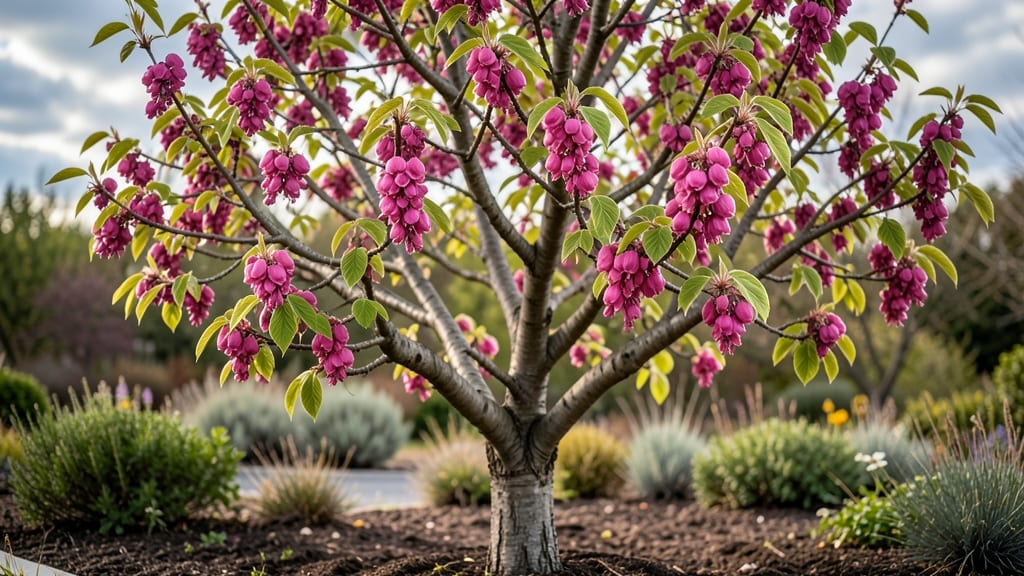
A small redbud tree 🌳 brings spring’s vibrant pink blooms to tight spaces without sacrificing beauty or space.
Picture this: your patio or balcony bursting with color, but you’re worried about overcrowding. The good news? Dwarf redbud varieties like ‘Oklahoma’ or ‘Lavender Twist’ stay under 8 feet tall while still delivering showstopping flowers and heart-shaped leaves.
These compact trees thrive in containers or small garden beds, making them perfect for urban yards, balconies, or even as a striking focal point in mixed borders. With the right care—sunlight, well-draining soil, and occasional pruning—they’ll reward you with years of effortless elegance.
In this guide, I’ll walk you through selecting the best dwarf variety, mastering container care, and styling your small redbud to maximize its ornamental impact—no yard required.
Top 5 dwarf redbud tree varieties for small spaces
If you love the idea of a springtime floral display but have limited space, dwarf redbud trees are your perfect solution. These compact cultivars stay under 6 feet tall while delivering stunning magenta-pink blooms that appear before the leaves.
Whether you're working with a small urban yard, a container garden, or a balcony planter, these varieties bring big impact with minimal footprint.
Redbud trees (Cercis canadensis) are native to eastern North America and typically grow 20-30 feet tall, but careful breeding has produced dwarf varieties that thrive in tight spaces. The key to their success lies in their slow growth rate and adaptable nature.
Most stay under 6 feet, making them ideal for foundation plantings, patio accents, or even large containers. Their heart-shaped leaves and early spring blooms create a showstopping focal point without overwhelming your landscape.
Below, I’ve curated the top 5 dwarf redbud varieties that excel in small spaces, along with their unique characteristics and care requirements. Whether you prefer compact growth habits, unusual foliage colors, or prolonged bloom times, there’s a perfect match for your garden.
| Variety | Mature Height | Bloom Color | Foliage Color | Growth Rate | Best For |
|---|---|---|---|---|---|
| 'Oklahoma' | 4-5 ft | Deep pink | Green | Slow | Containers, small yards |
| 'Lavender Twist' | 5-6 ft | Lavender-pink | Purple-tinged | Moderate | Unique foliage, mixed borders |
| 'Ruby Falls' | 5-6 ft | Dark pink | Deep green | Slow | Shade tolerance, containers |
| 'Forest Pansy' | 6 ft | Purple-pink | Purple foliage | Moderate | Color contrast, mixed plantings |
| 'Alice's Dream' | 5-6 ft | Soft pink | Green | Slow | Delicate look, small gardens |
'Oklahoma' is the most compact option on this list, reaching just 4-5 feet tall at maturity. It’s perfect for container gardening or as a small foundation plant. This variety produces deep pink blooms that cover the branches in early spring, followed by heart-shaped green leaves.
Its slow growth rate makes it ideal for tight spaces, and it thrives in USDA zones 5-9. For best results, plant it in well-draining soil with full sun to partial shade.
'Lavender Twist' stands out with its unique lavender-pink blooms and purple-tinged foliage, making it a standout in mixed borders. This variety grows 5-6 feet tall and has a moderate growth rate, which means it will fill out your space more quickly than some others.
It’s particularly striking when planted near silver foliage plants like lamb’s ear or dusty miller. Like other redbuds, it prefers moist, well-draining soil and at least 6 hours of sunlight daily.
'Ruby Falls' is a shade-tolerant dwarf redbud that thrives in partial shade, making it ideal for woodland gardens or north-facing patios. It produces dark pink blooms
How to grow and care for small redbud trees in containers
Growing small redbud trees in containers lets you enjoy their stunning spring blooms even in tight spaces. These compact varieties thrive in pots when given the right care—think well-draining soil, proper sunlight, and regular maintenance.
Whether you're using a patio planter or a large container, follow these steps to keep your dwarf redbud healthy and vibrant.
Container-grown redbuds need larger pots than you might think—aim for at least 15-gallon containers for mature dwarf varieties. Smaller pots restrict root growth and can lead to nutrient deficiencies or water stress. Always choose containers with drainage holes to prevent root rot, a common issue for potted trees.
- 🌱 Soil Mix: Use a blend of 60% potting soil, 30% perlite, and 10% compost for optimal drainage and nutrients.
- 💧 Watering: Water deeply every 3-4 days in summer, reducing to weekly in cooler months. Check soil moisture 1 inch below the surface.
- ☀️ Sunlight: Place in full sun (6+ hours) for best blooms, but tolerate partial shade in hot climates to prevent leaf scorch.
- ✂️ Pruning: Prune after flowering to shape and remove dead branches. Avoid heavy pruning—redbuds bloom on old wood.
- 🌿 Fertilizing: Apply balanced 10-10-10 fertilizer in early spring and mid-summer. Reduce feeding in fall and winter.
One of the biggest challenges with container redbuds is seasonal care. In summer heat, increase watering frequency and monitor for pests like spider mites. During winter dormancy, reduce watering but keep soil slightly moist to prevent root damage.
A mulch layer around the container helps retain moisture and regulate soil temperature.
To encourage bushier growth and more blooms, pinch back new growth by 10-15% in early summer. This technique stimulates branching, which is especially helpful for young redbud trees still establishing their shape. Avoid over-pruning—redbuds respond poorly to heavy cuts, which can reduce flowering the following spring.
If you notice yellowing leaves or stunted growth, it’s often a sign of overwatering or nutrient deficiency. Adjust your watering schedule and consider a foliar feed with micronutrients. For potted redbuds, repot every 2-3 years to refresh the soil and accommodate root growth.
With the right container setup and consistent care, your small redbud tree will reward you with years of spring color and minimal maintenance. Place it near a seating area to enjoy the fragrant blooms up close, or use it as a focal point in a small garden bed.
The key is balance—sunlight, water, and pruning done right will keep your redbud thriving for decades.