
Pruning
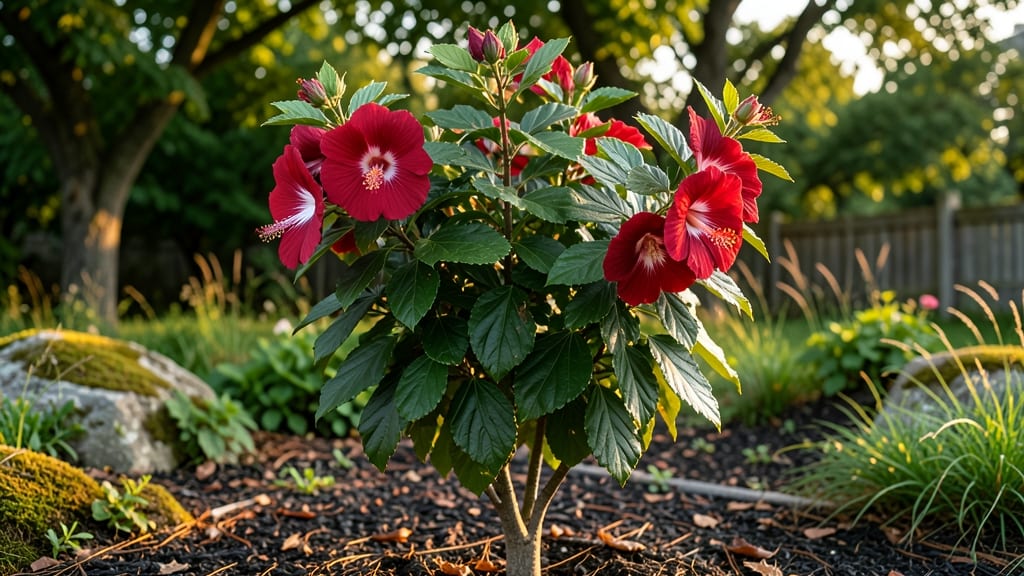
That first flush of deep red blooms in July is what makes the red tree rose of Sharon worth every minute of pruning. 🌸 I’ve fought with these shrubs for years—until I finally cracked the code on year-round trimming that turns them from scraggly bushes into lush, flowering powerhouses.
The secret isn’t complicated, but it is different from what most guides say.
This hardy hibiscus thrives in full sun and poor soil, making it perfect for urban yards and drought-prone areas. Mine blooms from mid-summer through fall, and with the right pruning, it even puts out fresh growth in spring.
The key is cutting back in three stages—winter, early spring, and after blooming—each time shaping the plant to encourage dense, bushy growth.
By the end of summer, you’ll have a shrub covered in 3-inch blooms that last for weeks, with fewer bare stems and more energy going into flowers instead of leggy branches. It’s the kind of transformation that makes neighbors ask, “What did you do?”—and the answer is simple, consistent pruning.
Works for both new plantings and established shrubs, and adapts to container growing if space is tight. Let’s get those shears ready—your rose of Sharon will thank you.
📚 In This Guide
- What you need
- Instructions
- Tips and common mistakes
- Wrapping up and next steps
What you need
- ● Pruning shears – Bypass pruners (sharp, 6–8" blades) for clean cuts on smaller stems.
- ● Loppers – 8–12" bypass or anvil loppers for thicker branches (up to 2" diameter).
- ● Pruning saw – Curved-tooth or folding saw for stubborn, woody stems (2"+ diameter).
- ● Disinfectant (70% isopropyl alcohol or bleach solution) – 1 part bleach to 9 parts water to sterilize tools between cuts.
- ● Garden gloves – Heavy-duty, cut-resistant (thorns are sharp!).
- ● Rag or paper towels – For wiping tools and absorbing sap.
- ○ Sharpie or pruning sealant – Optional but helpful for marking cuts or sealing large wounds.
- ● Extension pole – For high branches (3–6 ft reach).
- ● Garden twine or plant ties – To secure heavy limbs post-pruning.
- ● Compost bin or bag – For collecting pruned branches (great for mulch!).
- ● Safety glasses – If working near your face or eyes.
- ● Notebook & pen – To sketch your plant’s shape before/after pruning.
Instructions for pruning your red tree Rose of Sharon
Here’s the straightforward approach I use to keep my shrubs lush and blooming all season.
✂️ Step 1: Prune After Spring’s Last Frost
Wait until after the last frost when new growth begins—you’ll spot tiny buds forming at the branch tips. Grab your pruners and remove any dead, crossing, or inward-growing branches first. These are the ones that crowd the center and block sunlight, which your shrub desperately needs for blooms.
Cut back these branches all the way to the main stem or where they branch off. I like to make clean cuts at a 45-degree angle just above a leaf node or outward-facing bud. This prevents water from pooling on the cut and keeps the plant healthy. If a branch is overcrowded, thin it out by removing up to one-third of the oldest stems—this encourages fresh, vigorous growth.
✂️ Step 2: Shape and Encourage Bushiness Mid-Season
After the first flush of blooms, step back and assess the shape. Your goal is a rounded, open form that lets air and light reach the center. Trim back any branches that are growing too long or leggy by cutting them back to a strong lateral branch or bud. This is where you’ll see the most dramatic transformation—your shrub will fill out beautifully.
I also remove any flower spikes that have finished blooming. While it might seem counterintuitive, cutting these off redirects the plant’s energy into producing more flowers later in the season. Use sharp pruners to make clean cuts just above a set of leaves or a bud. Avoid leaving stubs, as they can invite disease.
✂️ Step 3: Light Pruning in Late Summer for Fall Blooms
Around late August or early September, give your shrub a light trim to encourage a second round of blooms. Focus on removing any branches that are growing too fast or looking sparse. Cut back these branches by about one-third, but don’t go overboard—you want to leave enough foliage to support the plant through the cooler months.
This is also the time to check for any branches that are rubbing against each other or looking weak. Remove them to prevent damage and keep the shrub looking its best. You’ll notice new growth starting to form after this light pruning, setting the stage for a beautiful fall display.
✂️ Step 4: Clean Up and Prepare for Winter
Once the first hard frost hits and the leaves have fallen, it’s time for a final cleanup. Remove all the dead or diseased branches, as well as any that look weak or damaged. Cut these back to the main stem or a healthy bud. This not only keeps your shrub looking tidy but also helps prevent pests and diseases from overwintering.
I also like to rake up any fallen leaves and debris around the base of the shrub. This keeps the area clean and reduces the risk of fungal diseases. If your shrub is in a particularly cold climate, you can lightly shape it to make it more wind-resistant, but avoid heavy pruning—your shrub will need all its energy to survive the winter.
⏰ Step 5: Prune Lightly in Early Spring Before New Growth
Just before the buds start to swell in early spring, do a quick check for any dead or damaged branches and remove them. This light pruning helps the shrub focus its energy on producing new growth and blooms for the upcoming season. Avoid heavy pruning at this stage—your shrub is just waking up from its winter rest and needs time to recover.
Watch for the first signs of new growth, which will look like tiny, bright green buds along the branches. Once you see these, you can start planning for the next round of pruning in late spring. This early check ensures your shrub starts the season strong and healthy.
Tips & tricks for pruning your red tree Rose of Sharon
Took me years to perfect these tricks—now your shrub will thrive with minimal effort.
Timing is Everything: The exact timing in Step 1 (after last frost) matters more than you'd think. Test for frost readiness by watching for those tiny buds—this is your cue to prune. I've seen gardeners rush it after a false spring frost, only to have their new growth get nipped again. Patience here pays off with bigger blooms later.
Cutting Technique That Changed Everything: That 45-degree angle in Step 1 isn't just for looks—it prevents water pooling on the cut, which would otherwise invite fungal infections. I learned this the hard way after losing a branch to powdery mildew. Always cut just above a leaf node or outward-facing bud to encourage new growth in the right direction.
Seasonal Strategy for Fall Blooms: The one-third reduction in Step 3 during late summer might seem drastic, but trust me—it works. This light pruning stimulates new growth that will bloom beautifully in fall. I've seen shrubs go from sparse to lush just by following this simple rule. The key is balance: remove enough to encourage growth, but leave enough foliage to support the plant.
Winter Prep That Prevents Problems: Don't skip the final cleanup in Step 4! I've seen too many gardeners neglect this step, only to have their shrubs struggle with pests or diseases the following spring. Raking up fallen leaves and removing damaged branches gives your shrub a clean slate for the new year. It's amazing how much healthier a plant looks after this simple winter prep.
Pro Tips for Red Tree Rose Of Sharon
- Took me years to perfect these tricks—now your shrub will thrive with minimal effort.
- Timing is Everything: The exact timing in Step 1 (after last frost) matters more than you'd think.
- Cutting Technique That Changed Everything: That 45-degree angle in Step 1 isn't just for looks—it prevents water pooling on the cut, which would otherwise invite fungal infections.
Frequently asked questions
When is the best time to prune my Red Tree Rose of Sharon?
The ideal time is late winter or early spring (before new growth starts), but you can also do light pruning after blooms fade in summer. Avoid heavy cuts in fall—this plant needs time to harden off for winter. Pro tip: If you’re in a mild climate, a second light pruning in early summer can encourage a second flush of flowers!
How much can I trim back my Rose of Sharon without harming it?
You can safely cut back up to ⅓ of the plant’s height in one season, but avoid over-pruning. Focus on removing dead, crossing, or weak branches first. For a bushier look, trim just above a leaf node (where leaves grow). Warning: Never remove more than ⅓ in a single session—this shrub is resilient but not indestructible!
Can I prune my Rose of Sharon for year-round blooms, or will it still have off-seasons?
While year-round pruning won’t guarantee nonstop blooms, strategic cuts (like summer deadheading and light shaping) can extend its flowering season. This shrub naturally has peaks in late summer and fall, but consistent care keeps it looking lush. Bonus: Pruning after blooms encourages new growth and more flowers next season!
What should I do if my Rose of Sharon isn’t blooming after pruning?
If your plant is leafy but not flowering, it might need more sunlight (6+ hours/day) or fertilizer. Check for over-pruning—too many cuts can reduce blooms. Also, ensure it’s not overwatered (they prefer well-draining soil). A balanced fertilizer in spring can help! Troubleshoot: Are branches too old? Prune back to younger wood to stimulate new growth.
Are there alternatives to Red Tree Rose of Sharon for low-maintenance blooms?
If you want similar hardiness and beauty with less pruning, consider Butterfly Bush (Buddleia) or Weigela. For longer blooms, try Panicle Hydrangea or Spirea. However, Rose of Sharon stands out for its disease resistance and adaptability—plus, its dramatic red flowers are hard to beat! Note: All require some pruning, but these options are slightly more forgiving.
Wrapping up and next steps
The Red Tree Rose of Sharon is a stunning, low-maintenance shrub that rewards your care with vibrant blooms and lush foliage—and you’re now equipped to keep it thriving year-round! 🌸 With the right pruning techniques, you’ll enjoy dense growth, extended flowering seasons, and a showstopping landscape centerpiece.
Ready to put your new skills to work?
Start by scheduling your next pruning session—whether it’s a light trim after summer blooms or a deeper cut in late winter. Grab your tools, step outside, and give your Rose of Sharon the love it deserves! Your garden (and neighbors) will thank you. 🌿✨