
Pruning
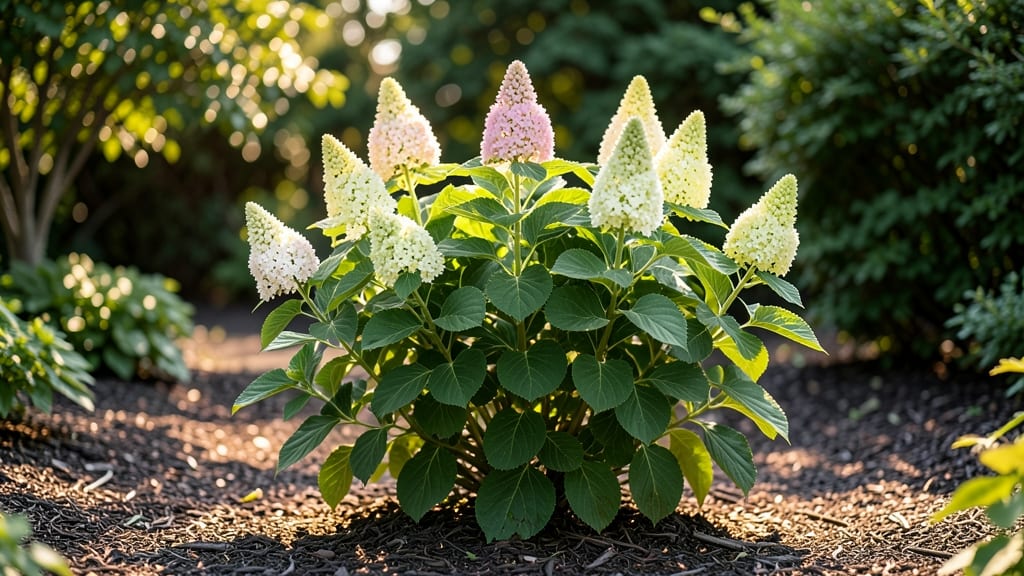
The panicle hydrangea tree care you provide determines whether you’ll get those stunning 3-foot-tall blooms that last from summer through frost—or just a sad, leafless branch. I’ve learned the hard way that cutting at the wrong time turns those showstopping flowers into a disappointment.
The secret isn’t just when to prune, but how to shape the tree so it keeps blooming year after year. 🌿 These trees thrive in full sun to partial shade and drought-tolerant once established, but they hate soggy roots.
A well-draining soil mix with compost keeps them happy, and a late-winter pruning session (before buds swell) sets the stage for the best blooms. The key move? Cutting back old wood to encourage fresh growth—no guesswork, just a clear rule.
By summer’s end, you’ll see bold, cone-shaped blooms that change from white to pink, and the tree stays compact enough for small yards. Even better, panicle hydrangeas handle pruning mistakes better than other varieties—so if you slip up, you’re not dooming the plant.
Just follow the 3-step pruning rhythm I’ll show you. Works in zones 3–8, from city streets to woodland edges. Whether you’re shaping a young tree or reviving an overgrown one, this method keeps them blooming reliably for decades. Let’s get those shears ready!
📚 In This Guide
- What you need
- Instructions
- Tips and common mistakes
- Wrapping up and next steps
What you need
- ● Pruning shears: Bypass pruners (sharp, clean, and at least 5-6 inches long for precision). (1 pair)
- ● Loppers: For thicker branches (up to 1.5 inches in diameter). (1 pair)
- ● Hand saw: For stubborn, larger branches (1.5+ inches). (1, with a fine-tooth blade)
- ● Disinfectant: 70% isopropyl alcohol or 1-part bleach to 9-parts water to sterilize tools between cuts. (small bottle or spray)
- ● Gloves: Heavy-duty gardening gloves to protect hands from thorns and sap. (1 pair)
- ○ Pruning sealant: Optional but helpful for sealing large cuts (e.g., pruning paste with mycorrhizal fungi). (small tube)
- ● Ladder or step stool: For reaching higher branches safely. (if needed)
- ● Trash bags or bucket: For collecting pruned branches and debris. (1-2, depending on size)
- ● Weather check: Prune on a dry, overcast day (avoid rain for 24 hours before/after).
- ○ Safety gear: Safety glasses (if sawing large branches). (optional)
- ○ Marking tools: Colored tape or markers to tag branches for removal. (optional)
- ○ Mulch: Organic mulch (e.g., shredded bark or pine straw) to retain moisture post-pruning. (optional, 2-3 inches)
- ○ Fertilizer: Balanced, slow-release fertilizer (e.g., 10-10-10 NPK) for post-pruning care. (optional, 1 bag)
Step-by-step year-round pruning for panicle hydrangea trees
Panicle hydrangeas thrive when pruned strategically—here’s how to keep yours blooming beautifully.
✂️ Step 1: Late Winter Pruning (Before Bud Break)
Prune your panicle hydrangea in late winter or early spring, just as buds begin to swell but before new growth starts. This is the most critical time because it shapes the tree for the upcoming season. Grab your sharp pruning shears and cut back one-third of the oldest stems at the base—these are the thickest, woody branches that no longer produce strong blooms.
Look for stems that are dull gray or brown and have fewer leaves than younger growth. These are the ones to remove. I like to make clean cuts at a 45-degree angle, about ¼ inch above a bud or lateral branch. This prevents water from pooling and protects against disease. If you’re unsure which stems to cut, focus on the thickest, oldest branches first—they’re the least productive.
☀️ Step 2: Summer Pruning (After First Bloom)
After your panicle hydrangea finishes its first flush of blooms in late summer (around August), it’s time for a second pruning to encourage a second, often more abundant bloom. This is when you shape the tree and remove any dead, diseased, or crossing branches that block airflow. Use your shears to trim back overly long stems by about half their length, cutting just above a set of leaves or bud.
Real talk: Don’t overdo it here. Panicle hydrangeas bloom on new wood, so you won’t hurt the tree by cutting back now. Just avoid heavy pruning—stick to light shaping and removing only the most unruly growth. You’ll notice new shoots forming within 2-3 weeks, signaling the tree is responding well.
⏰ Step 3: Fall Cleanup (After Final Bloom)
Once your panicle hydrangea has finished blooming for the season (usually late fall), remove all spent flower heads by cutting them back to the nearest set of leaves or bud. This keeps the tree looking tidy and prevents the weight of dried blooms from damaging branches. I also take this time to thin out any overly dense growth—look for stems that are rubbing against each other or growing inward. These should be pruned back to encourage a more open, airy shape.
Fall is also the time to check for dead or dying branches. These will be brittle, dark, or hollow when you tap them. Cut these out completely at the base. Avoid heavy pruning now, though—you don’t want to stress the tree as winter approaches. A light cleanup is all you need to set it up for next year’s growth.
✂️ Step 4: Minimal Winter Maintenance (Only If Needed)
Panicle hydrangeas are hardy and low-maintenance in winter, but if you notice broken or storm-damaged branches, remove them as soon as possible. Use your shears to make clean cuts back to a healthy bud or lateral branch. Avoid pruning healthy growth just because it’s winter—wait until late winter or spring for any additional shaping.
If your tree is young (under 3 years old), skip winter pruning entirely. Young panicle hydrangeas need all their energy focused on establishing roots and branches. Only prune to remove obviously dead or damaged wood. You’ll see stronger growth in spring if you leave the rest alone.
Tips & tricks for perfect panicle hydrangea tree care
Here's what nobody tells you about keeping your panicle hydrangea thriving all year round.
Timing is Everything: The late winter pruning window is narrow—you want to catch those buds just starting to swell, but before they burst open. I've learned the hard way that pruning too early (when buds are still dormant) or too late (when new growth begins) can set your tree back. Check your local frost dates as a guide: aim for the last week of February through early March in most climates. This timing ensures you're shaping the tree for maximum bloom potential next season.
Visual Cues Matter: When selecting stems to remove in Step 1, focus on the color and texture—dull gray or brown stems with sparse leaves are your targets. Healthy growth will have vibrant green buds and a firmer feel. I also look for stems that are thicker than a pencil; these are typically the oldest and least productive. Remember, you're only removing one-third of the oldest stems, so don't go overboard. The goal is to create space for new, vigorous growth.
Tool Technique: Clean cuts are non-negotiable. Use sharp pruning shears to make your cuts at a 45-degree angle, about ¼ inch above a bud or lateral branch. This angle helps water run off the cut, preventing rot. I've ruined several cuts by using dull shears—it's worth investing in a good pair. After each cut, wipe your shears with rubbing alcohol to prevent spreading disease between cuts. This simple step can make all the difference in keeping your tree healthy.
Seasonal Strategy: For summer pruning, focus on shaping rather than heavy cutting. The instructions mention trimming back overly long stems by about half their length, but I've found that even lighter shaping—removing just the tips of the longest stems—can encourage bushier growth. This approach gives you more control over the tree's final shape while still promoting that second bloom. Just remember, panicle hydrangeas bloom on new wood, so you can't go wrong with judicious pruning at this stage.
Pro Tips for Panicle Hydrangea Tree Care
- Here's what nobody tells you about keeping your panicle hydrangea thriving all year round.
- Timing is Everything: The late winter pruning window is narrow—you want to catch those buds just starting to swell, but before they burst open.
- Visual Cues Matter: When selecting stems to remove in Step 1, focus on the color and texture—dull gray or brown stems with sparse leaves are your targets.
Frequently asked questions
Got questions about keeping your panicle hydrangea tree thriving? You’re not alone! Here are answers to the most common concerns—from pruning puzzles to seasonal surprises.
When is the best time to prune my panicle hydrangea tree?
Prune your panicle hydrangea in late winter or early spring (before new growth starts) to encourage robust blooms. Avoid summer pruning—it can remove next year’s flower buds! For shaping, a light trim after flowering is fine, but keep it minimal.
Can I prune panicle hydrangeas in winter? What if it’s freezing?
Yes, but wait until after the coldest stretch (late winter, when temps are consistently above freezing). Prune on a dry day to prevent disease. If your area has harsh winters, focus on removing dead or damaged branches first—save heavy pruning for spring.
Why aren’t my panicle hydrangeas blooming as much as they used to?
Over-pruning, poor nutrition, or lack of sunlight (they need 6+ hours/day) are common culprits. Check for bud blast (frozen flower buds)—panicle hydrangeas are more cold-hardy than mopheads but can still suffer in extreme freezes. Fertilize lightly in spring and avoid heavy summer pruning.
How much can I cut back my panicle hydrangea tree?
You can renew up to one-third of the tree’s oldest stems each year to rejuvenate growth. For young trees, prune lightly to encourage branching. Avoid cutting back more than 25% in a single year—this can stress the plant and reduce blooms.
Are there any alternatives if my panicle hydrangea isn’t thriving?
If your tree struggles with disease, pests, or poor blooms, consider dwarf varieties like ‘Little Lime’ or ‘Quick Fire’ for smaller spaces. For larger landscapes, oakleaf hydrangeas (with stunning fall foliage) or smooth hydrangeas (for fragrant blooms) are great alternatives.
Wrapping up and next steps
Caring for your panicle hydrangea tree is all about consistency and patience—just like nurturing a favorite plant!
With the right pruning techniques, watering balance, and seasonal attention, you’ll enjoy stunning blooms year after year. 🌸 Don’t let overwhelm hold you back; start small, follow these steps, and watch your tree thrive.
Ready to take the next step? Grab your pruners, mark your calendar, and schedule your first pruning session this spring—your future floral masterpiece awaits!