
Pruning
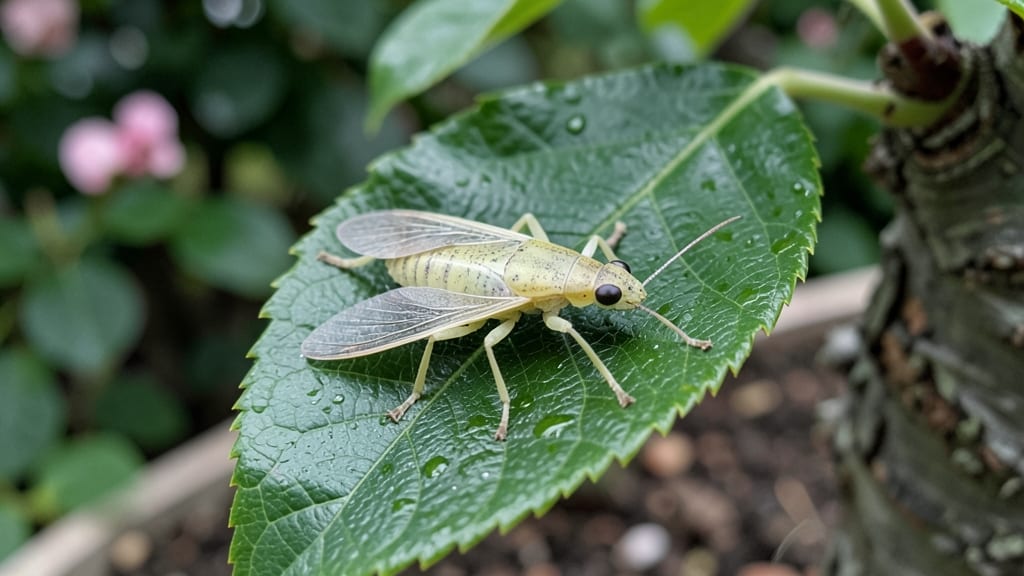
Seeing tiny plum tree bugs in pictures can turn a beautiful harvest into a nightmare—unless you know exactly what you're dealing with. 🌿 I've spent years tracking down these pests, and the first step to saving your tree is identifying them correctly, often just by their size, shape, and where they cluster.
Common culprits include aphids (tiny green/black clusters), plum curculio (tiny weevils that scar fruit), and scale insects (brown bumps on branches). Each leaves telltale damage: curled leaves, sticky residue, or holes in fruit. The good news? Most can be controlled with simple sprays or pruning—once you recognize them.
By the end of this guide, you'll match symptoms to pests in seconds and choose the right fix—whether it's soapy water for aphids, neem oil for scale, or protective netting for curculio. Early action means your tree stays healthy and productive all season.
No more guessing games: we'll cover the most destructive pests with clear descriptions and solutions that actually work. Let's get your tree back to thriving!
Root Causes Of Plum Tree Infestations
Understanding why bugs invade your plum trees starts with recognizing the environmental, biological, and seasonal triggers that make these trees vulnerable. These pests don’t just appear randomly—they’re drawn by specific conditions that create the perfect "buffet" for them.
Let’s break down the key reasons your plum tree might be attracting unwanted visitors, so you can address the problem at its source.
Plum trees, like all plants, rely on a natural immune system to fend off pests. When this system weakens, bugs see an easy target. Here’s what compromises their defenses:
- 🌞 Nutrient Deficiencies Trees deprived of essential nutrients (like nitrogen, potassium, or magnesium) produce thinner bark, sparse foliage, and weak sap—all of which make them less resilient.
For example, a lack of nitrogen leads to pale, yellowing leaves, while low potassium weakens cell walls, making them easier for pests to penetrate. - Actionable fix: Conduct a soil test and amend with compost or a balanced fertilizer (like 10-10-10) in early spring.
- 💧 Overwatering or Drought Stress Both extremes disrupt a tree’s ability to produce resin and defensive compounds.
Overwatered roots suffocate, while drought-stressed trees produce sugary sap—a magnet for sap-sucking bugs like plum aphids or scale insects. - Pro tip: 💡 Water deeply once a week (or less in winter) and ensure proper drainage to avoid soggy roots.
- 🪓 Physical Damage from Pruning or Storms Open wounds from aggressive pruning, hail, or broken branches create entry points for bark beetles and borers.
These pests lay eggs in fresh cuts, leading to tunnels and further decay. - Key move: ✂️ Prune in late winter (when trees are dormant) and seal large wounds with pruning paint (though this is debated—focus on clean cuts instead).
Some bugs prefer plum trees over others because of their leaf structure, fruit, or bark texture. Here’s why your tree might be a pest paradise:
- 🍑 Sweet Fruit Attracts Fruit-Flies & Borers Ripe plums release volatile organic compounds (VOCs) that signal to insects like oriental fruit flies and peach twig borers that a meal is nearby.
Overripe or dropped fruit on the ground ferments, releasing even stronger attractants. - Solution: 🍎 Harvest promptly and remove fallen fruit within 24 hours to break the cycle.
- 🌿 Dense Foliage Hides Sap-Suckers Plum trees with thick, overlapping leaves create microclimates that retain moisture—perfect for aphids, spider mites, and whiteflies.
These pests thrive in shady, humid conditions under the canopy. - Quick fix: 🌬️ Thin out branches to improve airflow and avoid overhead watering (which increases humidity).
- 🌳 Bark Texture Invites Scale & Beetles Plum trees (especially young ones) have smooth, thin bark that scale insects and bark beetles love to colonize. Older trees with rougher bark are less appealing.
- Prevention: 🛡️ Apply horticultural oil in late winter to smother overwintering eggs before they hatch.
Many plum tree pests have synchronized life cycles that align with the tree’s growth stages. Missing these windows means pests get a head start:
- 🌱 Early Spring: Egg-Laying Peak As plum trees break dormancy, pests like plum curculio weevils and leafhoppers emerge to lay eggs on new shoots and buds.
If you don’t act now, larvae will hatch and devour leaves and fruit. - Critical window: ⏰ Monitor buds in March–April and use row covers or insecticidal soap if eggs are visible.
- ☀️ Summer Heat: Sap-Sucker Surge Warm weather boosts aphid and mite populations exponentially.
These pests multiply rapidly in heat, leading to sooty mold (a black fungus from their honeydew) and stunted growth. - Combat strategy: 🚿 Spray trees with water (especially undersides of leaves) to dislodge pests, or use neem oil for organic control.
- 🍂 Fall: Overwintering Eggs Hatch Late Some bugs, like plum leaf scale, lay eggs in fall cracks in bark.
If not treated, they’ll emerge in spring as nymphs and sap-suck the tree for years. - Fall prep: 🍂 Inspect bark for egg clusters and scrub with a brush or apply dormant oil in November.
Sometimes, external pressures beyond the tree’s control bring pests to your plum tree:
- 🐝 Beneficial Insect Disruption Ladybugs, lacewings, and parasitic wasps naturally prey on plum tree pests. If you’ve used broad-spectrum pesticides (like malathion), you’ve likely killed these allies, creating a pest vacuum effect.
- Balance tip: ✨ Avoid chemicals—opt for pyrethrin-based sprays (derived from chrysanthemums) instead.
- 🌿 Nearby Infested Host Plants If wild plum trees, cherry trees, or peach trees grow nearby, they can serve as pest reservoirs, constantly reinfesting your plum tree.
- Neighborhood solution: 🗣️ Talk to neighbors about treating their trees too, or plant pest-repelling companions like lavender or rosemary nearby.
- 🌪️ Wind & Animal Spread Monarch butterflies (harmless to trees) and birds can unwittingly transport pest eggs on their feet or wings.
Strong winds also blow aphids and mites from infested trees to yours. - Barrier method: 🏡 Install fine mesh netting around young trees if your area has known pest outbreaks.
Many gardeners ignore subtle clues until pests have taken over. Here’s what you might have missed:
- 🍃 Sticky Leaves (Honeydew) A sure sign of sap-suckers like aphids or scale.
If you wipe leaves and find sticky residue, pests are already feeding. - 🕷️ Tiny Black Specks (Frass) Chewing insects (like borers) leave behind sawdust-like droppings near entry holes in bark or branches. - 🌿 Wilting or Curling Leaves Spider mites and leafhoppers inject toxins that cause leaf distortion—often mistaken for nutrient issues.
💡 Pro Tip: 🔍 Inspect trees weekly with a 10x magnifying glass, focusing on leaf undersides, bud crevices, and bark seams where pests hide.
Quick Fixes for Plum Tree Pests
If your plum tree is under siege by bugs, don’t panic—most issues have simple, effective solutions. Below, we’ve mapped common pests to their fixes, along with prevention tips to keep your tree thriving. 🌳🛡️
Signs: Sticky residue (honeydew), curled leaves, tiny clusters of green/black bugs. How to Fix:
- 🔥 Blast Them Off: Use a strong stream of water to dislodge aphids from leaves and branches.
- 🍳 Soapy Spray: Mix 1 tbsp mild dish soap + 1 quart water in a spray bottle. Apply directly to infested areas.
- 🐝 Introduce Beneficial Insects: Ladybugs and lacewings love aphids—buy them online or attract them with native plants.
💡 Prevention Tip: Prune early in the season to remove overwintering sites. Apply neem oil as a preventive spray in spring.
Signs: Small holes in fruit, brown larvae inside, adult weevils (snout-like bugs). How to Fix:
- 👨🍳 Trap & Remove: Wrap tree trunks with burlap bands in spring—weevils climb up to lay eggs. Shake them into soapy water.
- 🥘 Fruit Bags: Cover developing fruit with paper bags (secured at the top) to block egg-laying.
- 🔪 Prune & Burn: Remove infested fruit immediately and destroy it (don’t compost).
🌡️ Prevention Tip: Apply kaolin clay (like Surround WP) to trunks and branches to deter adults.
Signs: Fine webbing, stippled leaves, dusty mites on undersides. How to Fix:
- 🌧️ Increase Humidity: Mites thrive in dry conditions—water trees deeply during droughts.
- 💦 Spray with Oil: Mix 1 tsp horticultural oil + 1 quart water and spray undersides of leaves.
- 🐍 Predatory Mites: Release phytoseiulus persimilis (sold online) to eat spider mites naturally.
✨ Prevention Tip: Avoid over-fertilizing with nitrogen—it attracts mites. Use mulch to retain moisture.
Signs: D-shaped exit holes, sawdust piles at base, wilting branches. How to Fix:
- 🔪 Drill & Kill: Use a 1/8" drill bit to inject borer-killing spray (like Gortron) into holes.
- 🪓 Remove Infested Wood: Cut out heavily damaged branches below the borehole and burn/dispose.
- 🌿 Strengthen the Tree: Apply tree wound dressing to entry points to prevent reinfestation.
🎯 Prevention Tip: Keep trees healthy with proper watering and avoid stress (like drought or over-pruning).
Signs: Mushy fruit, white mold, tiny black spores. How to Fix:
- 🧹 Clean Up Debris: Remove all fallen fruit and leaves from the ground.
- 🍄 Fungicide Spray: Use copper fungicide or baking soda spray (1 tbsp baking soda + 1 quart water + a drop of soap).
- 🌬️ Improve Airflow: Thin branches to reduce humidity and prevent fungal spread.
💡 Prevention Tip: Prune for sunlight—fungi love damp, shaded areas.
🚨 Pro Tip: Always test a small area before applying sprays to avoid damaging leaves. For severe infestations, consult a local arborist—they can recommend targeted treatments.
📌 Remember: Early action is key! Check your plum tree weekly during peak pest seasons (spring/summer) for the best results. 🌟
Frequently asked questions
How can I tell if the bugs on my plum tree are harmful or beneficial?
Look for damage clues: Harmful pests like aphids or borers leave curled leaves, sticky residue (honeydew), or holes in fruit. Beneficial insects—such as ladybugs or lacewings—have spotted wings and don’t damage plants. Always check leaf undersides first.
What’s the best time of year to treat plum tree pests?
Act in early spring (March–April) when pests like plum curculio are laying eggs, and again in summer for sap-suckers like aphids. Fall treatments (October–November) target overwintering eggs. Pro tip: Neem oil works year-round but is most effective before pests hatch.
Can I use homemade sprays on my plum tree, or should I buy commercial products?
Homemade sprays like soapy water (1 tbsp dish soap + 1 quart water) or neem oil mix (1 tbsp oil + 1 tsp soap + 1 quart water) work well for aphids and mites. For stubborn pests like borers, commercial products (e.g., Gortron) are more effective. Always test sprays on a small area first!
Why do some plum tree bugs only appear in certain seasons?
Pests like plum curculio and scale insects time their life cycles to match the tree’s growth. They lay eggs in spring when buds swell, hatch in summer, and overwinter as eggs or adults in fall. Understanding these patterns helps you treat them at the right time.
What should I do if my plum tree has a severe infestation?
Start with manual removal: Prune infested branches, shake pests into soapy water, or use high-pressure water. For persistent issues, consult a local arborist—they can recommend targeted treatments like systemic insecticides or biological controls. Never ignore severe damage; it can kill the tree.