
Pruning
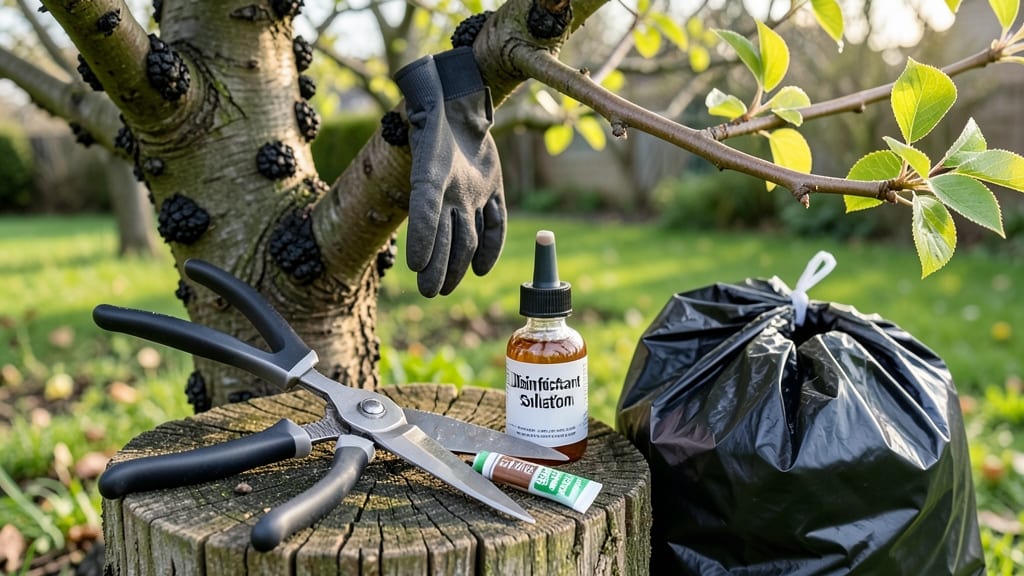
Black knot disease turns your plum tree’s branches into twisted, blackened knots that choke growth—but there’s a way to fight back. 🌱 I’ve spent years battling this stubborn fungal infection, and these organic treatments actually work to restore your tree’s health without harsh chemicals.
The key is acting fast before the knots spread beyond control.
Most gardeners panic when they spot those ugly black swellings, but the solution starts with pruning infected branches at least 6 inches below the visible knot during dormant season.
Follow up with a mix of copper fungicide or neem oil to smother the fungus, and you’ll see new, healthy growth within a season. I’ve saved multiple trees this way—even ones that looked hopeless.
What you’ll end up with is a plum tree that looks strong and productive again, with fewer knots each year. The secret is consistency: prune, treat, and monitor regularly. With the right approach, your tree can bounce back—and produce those sweet plums you love. Let’s get started on the cure.
This method works for both European and Japanese plum varieties, and the organic treatments are safe for pollinators once fully dried. The only real challenge? Catching the disease early. Here’s how to spot it before it takes over.
The Hidden Triggers Behind Black Knot
Black knot disease is a stubborn fungal foe for plum trees, but understanding its root causes is the first step to reclaiming your tree’s health. This unsightly (and often deadly) infection thrives due to a mix of environmental, biological, and even human factors.
Below, we break down the key reasons black knot takes hold—and how to disrupt its cycle.
The primary culprit behind black knot is the fungus Apiosporina morbosa, which spreads via airborne spores. These microscopic invaders are highly persistent and can survive for years in:
- Infected plant debris (fallen leaves, twigs, or bark) left on the ground or in mulch.
- Rain or wind, which splashes spores onto fresh wounds, buds, or bark crevices.
- Overhead irrigation, mimicking rain and dispersing spores from infected areas to healthy ones.
Pro Tip: 💡 Spores are most aggressive in spring and fall—peak times for new growth and wound vulnerability. Prune during dormant winter months to minimize exposure.
Healthy plum trees resist black knot better, but stress factors lower their guard, making them prime targets. Common stressors include:
- Poor nutrition: Deficiencies in nitrogen, phosphorus, or potassium weaken structural integrity, while excess nitrogen promotes soft, spore-attracting growth.
- Drought or overwatering: Both disrupt root function, reducing the tree’s ability to fight off pathogens.
- Physical damage: Pruning cuts, hail, or animal bites create entry points for spores. Improper tools (dull or contaminated) worsen the risk.
- Crowded or shaded conditions: Poor airflow and humidity encourage fungal growth near the tree.
Pro Tip: 🌡️ Monitor soil moisture—aim for 1–1.5 inches of water per week (adjust for clay/sandy soil) and mulch 2–3 inches deep (but keep it away from the trunk) to balance hydration without inviting rot.
Black knot spores love humidity and mild temperatures. Here’s how weather plays a role:
| Condition | How It Helps the Fungus | Actionable Fix |
|---|---|---|
| Wet springs (50+ days of rain) | Spores germinate faster; bark stays damp, encouraging infection. | Install drip irrigation (avoids wetting foliage) and prune in dry spells. |
| Mild winters (temps above 20°F) | Fungus survives longer in dormant buds and canes. | Apply copper fungicide in late fall as a preventive barrier. |
| High humidity (70%+) | Slows drying of spores on leaves, increasing infection rates. | Improve air circulation with strategic pruning and spaced planting. |
Pro Tip: ⏰ Early morning pruning (when foliage is dry) reduces spore splash risks. Avoid pruning after rain!
Even well-meaning gardeners can unwittingly spread black knot. Common mistakes include:
- Reusing contaminated tools: Fungal spores hitchhike on pruners, saws, or rakes between trees.
- Ignoring infected branches: Leaving black knot galls on the tree or in the yard lets spores re-infect the same or neighboring trees.
- Planting susceptible varieties nearby: Some plum cultivars (e.g., Prunus domestica) are more vulnerable than others like Prunus salicina.
- Over-pruning: Removing too much wood at once stresses the tree and opens it to infection.
Pro Tip: 🔪 Sanitize tools between cuts with a 10% bleach solution or rubbing alcohol. For severe cases, dispose of infected wood in sealed bags (not compost).
Effective Black Knot Remedies
Now that you understand the causes of black knot disease in plum trees, it’s time to take action! The key to saving your tree lies in a combination of removal, treatment, and prevention.
Below, we break down the best solutions based on the root causes—so you can tackle the problem head-on and restore your plum tree’s health.
Black knot thrives on infected branches, so pruning is your first line of defense. Follow these steps carefully:
- 🔍 Identify the Knots
- Look for dark, swollen growths (black knots) on branches or trunk.
- Use a sharp pruning saw or shears to cut at least 6 inches below the knot—this ensures you remove the entire infected area.
- 🚫 Sterilize Your Tools
- After each cut, wipe your tools with rubbing alcohol or a 10% bleach solution to prevent spreading spores to healthy branches.
- 🗑️ Dispose of Infected Wood
- Do not compost infected branches—burn or trash them immediately to stop the fungus from spreading.
- 🌱 Prune in Dry Weather
- Avoid pruning when the tree is wet, as moisture can help spores spread.
Once you’ve removed the knots, prevent reinfection with organic treatments:
- 🍄 Copper-Based Sprays
- Use copper fungicide (like Bordeaux mixture) in early spring and late fall.
- Follow label instructions—overuse can harm the tree.
- 🌿 Neem Oil Solution
- Mix 1 tbsp neem oil + 1 tsp mild soap per gallon of water and spray infected areas.
- Reapply every 2–3 weeks during growing season.
- 🍎 Baking Soda Spray (Early Prevention)
- Mix 1 tbsp baking soda + 1 tsp oil + 1 gallon water—spray in spring to create an unfriendly environment for spores.
A healthy tree fights off black knot better! Boost your plum tree’s defenses with:
- 💧 Proper Watering
- Keep soil consistently moist but not soggy—water deeply once a week (adjust for climate).
- 🌿 Fertilize Wisely
- Use a balanced organic fertilizer (like 10-10-10) in early spring to promote strong growth.
- 🌞 Ensure Good Airflow
- Thin out dense branches to reduce humidity, which fungal spores love.
Stop black knot before it starts with these proactive measures:
✅ 🌟 Inspect Regularly
- Check your tree monthly for early signs of knots—catching them early makes removal easier.
✅ 🌿 Mulch Correctly
- Apply 2–3 inches of organic mulch (wood chips, straw) around the base—but keep it away from the trunk to prevent moisture buildup.
✅ 🚫 Avoid Overwatering
- Wet foliage for long periods encourages fungal growth—water in the morning so leaves dry quickly.
✅ 🍎 Choose Resistant Varieties
- If replanting, opt for black knot-resistant plum varieties like ‘Stanley’ or ‘Montmorency’.
If your tree is severely infected (more than 50% of branches affected), consider hiring an arborist for deep pruning and advanced treatments.
By combining pruning, organic sprays, and preventive care, you can save your plum tree and enjoy healthy fruit for years! 🍑🌳
Frequently asked questions
How do I know if my plum tree has black knot disease?
Look for dark, swollen growths (black knots) on branches or trunk that appear fuzzy or cracked. These knots often form near branch junctions and can grow up to 2 inches long. Check for small, raised spots in early spring—these develop into full-blown knots by summer.
Can I save a plum tree with severe black knot infection?
Yes, but it requires aggressive pruning (removing at least 6 inches below every knot) and consistent treatment with copper fungicide or neem oil. For trees with over 50% infected branches, consult an arborist—they may recommend complete removal to prevent spread to nearby trees.
Is neem oil safe for all plum tree varieties?
Neem oil is generally safe for most plum trees, but always test a small branch first for sensitivity. Avoid applying when temperatures exceed 90°F or when bees are actively pollinating. For organic certification, use USDA-approved neem products and follow label instructions precisely.
How often should I prune to prevent black knot?
Prune once a year during dormant season (late winter/early spring) to remove dead or infected wood. Conduct a monthly inspection during growing season to catch new knots early. Always sterilize tools between cuts to prevent spreading spores.
Will black knot disease spread to other fruit trees?
While black knot primarily affects plum trees, related fungi can infect cherry, apricot, and peach trees. Remove infected plum wood immediately and avoid composting. Keep susceptible trees at least 50 feet apart from infected plum trees to minimize cross-contamination.