
Pruning
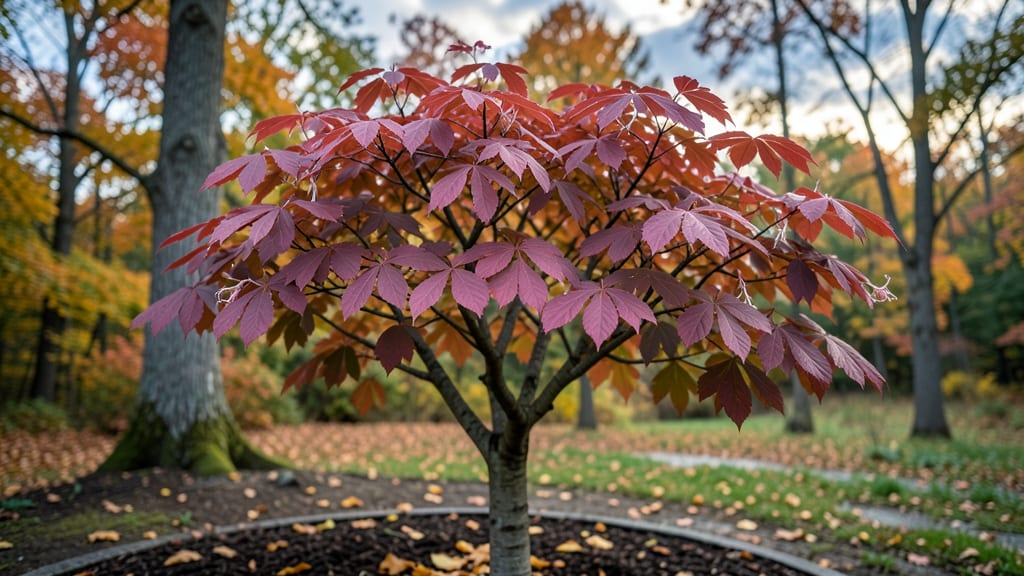
Pink dogwood trees turn fall into a breathtaking show with their fiery foliage. 🌿 The secret to those vibrant hues lies in how you care for them now—pruning at the right time sets the stage for next year’s spectacular display.
I’ve learned that fall trimming isn’t just about shaping; it’s about preparing the tree to handle winter while keeping its signature pink blooms bold.
The best time to prune is after leaves drop but before hard frost—typically late October to early November in most regions. Focus on removing dead, crossing, or weak branches first. Thin out crowded areas to improve airflow, which helps prevent fungal issues that can dull those stunning fall colors.
A sharp pair of pruners and a clean workspace are all you need to get started.
What you’ll end up with is a tree that bursts into deep reds, purples, and oranges by November, outshining any neighbor’s yard. The right cuts now also encourage stronger growth in spring, so those iconic pink flowers return even more dramatic.
Plus, a well-pruned dogwood resists winter stress better, meaning fewer surprises when spring rolls around.
This method works for both mature trees and younger specimens—just adjust the scale. Mulch lightly after pruning to protect roots, and keep an eye out for pests like dogwood borers, which love stressed trees. With these steps, your pink dogwood will be the star of the neighborhood every fall.
📚 In This Guide
- What you need
- Instructions
- Tips and common mistakes
- Wrapping up and next steps
What you need
- ● Pruning shears: Sharp, bypass-style shears (for clean cuts on small branches). Size: 6–8 inches.
- ● Loppers: For thicker branches (up to 2 inches in diameter). Look for: Ratcheting or bypass loppers for precision.
- ● Pruning saw: Curved-tooth saw for branches larger than 2 inches. Bonus: A foldable design for easy storage.
- ● Disinfectant (70% isopropyl alcohol or pruning sealant): 1 small bottle (4 oz) to sterilize tools between cuts and prevent disease.
- ● Work gloves: Heavy-duty, cut-resistant gloves (e.g., Mechanix or similar) for safety.
- ● Ladder or step stool: Sturdy, extension ladder (if tree exceeds 8 feet) or a foldable step stool (for shorter trees). Safety first: Use a ladder with non-slip feet.
- ● Trash bags or bucket: 2–3 heavy-duty bags (30-gallon size) to collect pruned branches and debris.
- ○ Marking twine or spray paint: Optional but helpful: Use biodegradable spray paint (e.g., Fiskars) to mark branches for removal.
- ● Handheld leaf blower: For quick cleanup of small debris.
- ● Pruning rope or zip ties: To secure branches during heavy pruning (e.g., for large limbs).
- ○ Tree wound dressing (optional): Use sparingly: Only on cuts larger than ½ inch. Choose a fast-drying product like Tanglefoot Tree Wound Pruning Seal.
- ● Safety goggles: Protect your eyes from flying debris.
- ● Notebook & pencil: To jot down notes on pruning cuts or tree health observations.
Instructions for pruning pink dogwood trees in fall
Here's how to keep your pink dogwood thriving through winter while shaping it for spring blooms.
✂️ Step 1: Time Your Pruning for Optimal Growth
Prune your pink dogwood 4-6 weeks before your first expected frost—typically late October to early November in most climates. This timing gives the tree time to heal before winter dormancy. Avoid pruning in late fall when temperatures drop below 40°F, as cold stress weakens the tree.
Look for healthy, mature branches that are at least ½ inch thick—these are the ones you'll focus on. Thin out crowded areas first, as this improves airflow and reduces disease risk. I always prune on a dry, overcast day to prevent stress from sun exposure on fresh cuts.
✂️ Step 2: Remove Dead, Damaged, or Weak Branches First
Start by cutting out dead, diseased, or crossing branches—these are the easiest to spot. Dead branches snap when bent, while diseased ones may show blackened bark or oozing sap. Crossing branches rub against each other, creating wounds that invite pests and rot.
Use clean, sharp pruning shears to make cuts just outside the branch collar (the swollen area where the branch meets the trunk). Avoid leaving stubs—these can trap moisture and cause decay. If a branch is larger than 2 inches thick, use a pruning saw instead of shears.
✂️ Step 3: Thin the Canopy for Better Airflow and Light
Next, thin the canopy by removing 20-30% of the smallest, inner branches—these are the ones growing toward the center of the tree. This opens up the canopy so light and air can reach the inner branches, which encourages stronger growth and more vibrant pink blooms next spring.
Focus on branches that are thinner than a pencil and growing upward. Cut them back to their point of origin or to a lateral branch. You'll see a noticeable difference in the tree's shape—it should look more open and less dense. Avoid over-thinning, as this can stress the tree.
✂️ Step 4: Shape the Tree for Balance and Aesthetics
Now, shape the tree by shortening overlong branches—these are the ones that stick out too far or grow at awkward angles. Cut back to a bud or lateral branch that grows in the direction you want the branch to grow. This encourages fuller, more balanced growth.
Step back frequently to check your progress. The goal is a rounded, natural shape that highlights the tree's natural beauty. Avoid cutting more than 25% of the tree's foliage in one season—this can weaken the dogwood and reduce next year's blooms.
🌿 Step 5: Clean Up and Protect the Tree for Winter
After pruning, sterilize your tools with rubbing alcohol to prevent spreading disease. Remove all pruned branches and leaves from the area—these can harbor pests and diseases over winter. If you have a compost pile, chop the branches into smaller pieces first to speed up decomposition.
Apply a 2-3 inch layer of mulch around the base of the tree (but not touching the trunk) to protect roots from freezing temperatures. Water the tree deeply before the first frost to ensure it has enough moisture to survive winter. Your pink dogwood is now ready to bloom beautifully next spring!
Tips & tricks for pruning pink dogwood trees in fall
These practical pointers will help you prune your pink dogwood like a pro—ensuring vibrant blooms and healthy growth for years to come.
Timing is Everything: The 4-6 week window before your first frost is critical because it allows wounds to heal before winter dormancy. If you're unsure about your frost date, check your local weather service or use a frost calendar for your region. Pruning too early exposes the tree to late-season pests, while waiting too long risks cold stress below 40°F. I always mark my calendar with the target date to avoid last-minute rushing.
Branch Identification Made Easy: When checking for dead branches in Step 2, perform the "bend test"—healthy branches bend slightly without snapping. Diseased branches often have dark streaks or oozing sap, while crossing branches create that telltale "V" shape where they intersect. I keep a small notebook handy to sketch the tree's structure before cutting, which helps me visualize the final shape more clearly. This visual reference prevents over-pruning and ensures balanced growth.
Canopy Thinning Strategy: For Step 3's 20-30% thinning target, focus on removing branches thinner than a pencil that grow straight up. These are the ones competing for sunlight with your main branches. I like to work in sections, starting from the inside of the canopy and moving outward. This creates a natural light funnel that improves air circulation and reduces disease risk. Remember, you're not trying to create a geometric shape—just a more open, breathable structure.
Tool Maintenance Matters: After pruning, sterilizing your tools with rubbing alcohol isn't just about disease prevention—it extends their lifespan. I keep a small bottle of 70% isopropyl alcohol in my pruning kit and wipe down blades after every 3-4 cuts. For larger branches, I use a pruning saw with a fine-tooth blade, which makes cleaner cuts that heal faster. Always store your tools in a dry place to prevent rust, especially after fall pruning when moisture levels rise.
Pro Tips for Pink Dogwood Tree In Fall
- These practical pointers will help you prune your pink dogwood like a pro—ensuring vibrant blooms and healthy growth for years to come.
- Timing is Everything: The 4-6 week window before your first frost is critical because it allows wounds to heal before winter dormancy.
- Branch Identification Made Easy: When checking for dead branches in Step 2, perform the "bend test"—healthy branches bend slightly without snapping.
Frequently asked questions
Got questions about keeping your pink dogwood tree stunning in fall with strategic pruning? Here are some common ones—and their answers!
When is the exact best time to prune a pink dogwood in fall?
The ideal window is late October to early November, after the leaves drop but before hard frost. This timing balances healing (avoiding winter damage) with promoting next year’s vibrant blooms. Skip pruning if your region faces early freezes—wait until spring instead!
How much can I trim back a pink dogwood without harming it?
Never remove more than 25-30% of the canopy in one season. Dogwoods are sensitive to over-pruning. Focus on shaping (not drastic cuts) and thinning dense branches to improve airflow. For mature trees, limit cuts to smaller branches—never the main trunk!
Why did my pink dogwood’s leaves turn brown after pruning?
Brown leaves post-pruning usually mean stress or disease. Check for:
- Powdery mildew (white residue on leaves)
- Cankers (sunken, discolored bark)
- Over-pruning (too aggressive cuts)
Can I still prune if my pink dogwood didn’t bloom this year?
Yes! Non-blooming dogwoods often need pruning to encourage flowers. Remove dead or crossing branches first, then thin the center to let light reach the core. Avoid heavy cuts—dogwoods bloom on old wood, so focus on shaping, not rejuvenation.
What’s a good alternative if my pink dogwood is struggling?
If your dogwood is chronically weak (pests, disease, or poor growth), consider these fall-blooming, low-maintenance alternatives:
- Serviceberry (white/pink flowers, edible berries)
- Viburnum (durable, disease-resistant)
- Cornus sericea (Red Osier Dogwood) (bold stems, cold-hardy)
Wrapping up and next steps
The pink dogwood tree in fall is a stunning centerpiece in any landscape, and with strategic pruning, you can ensure its beauty thrives year-round! 🌸 By following the right techniques—timing, tool care, and mindful cuts—you’ll promote vibrant blooms, strong growth, and a healthy tree that dazzles every season.
Now that you’re armed with the how-to, take action! Grab your pruners, step outside, and give your dogwood the TLC it deserves. Happy trimming—and enjoy that breathtaking pink spectacle for years to come! 🌿✨