
Pruning
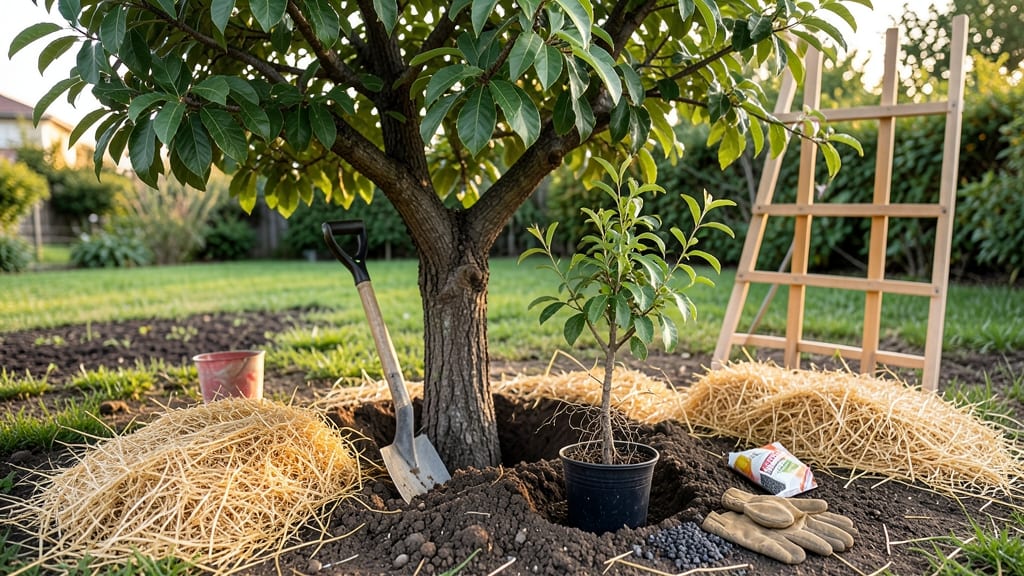
Here are some essential peach tree planting tips—your first harvest could be sweet, abundant, and ready by next summer. 🌞 I’ve learned that the difference between a thriving tree and a struggling one often comes down to sunlight, soil, and a little patience during those first few weeks. The right variety for your climate and a well-prepared hole set the stage for years of juicy fruit.
Start with a sunny location—peaches need at least 6 to 8 hours of direct sunlight daily, though more is better. Your soil should drain well (no soggy spots!) and be slightly acidic, around 6.0 to 6.5 pH.
If your yard is heavy clay or sandy, amending with compost or aged manure before planting gives your tree the best start. And timing matters: plant bare-root trees in late winter or early spring while still dormant, or container-grown trees in early spring once frost risk has passed.
Dig a hole twice as wide as the root ball but no deeper—planting too deep can strangle the roots. Loosen the soil around the edges to encourage root spread, then water deeply to settle the soil.
Mulch around the base (but not touching the trunk) to retain moisture and keep weeds at bay. Within 3 to 4 months, you’ll see new shoots—proof your tree is settling in for a lifetime of harvests.
Here’s the secret: consistent watering in the first year is critical, but avoid overwatering. Let the top inch of soil dry between waterings, and watch for signs of stress like wilting leaves or cracked bark.
Prune any damaged branches now, but hold off on heavy pruning until the tree is established. With the right care, your peach tree will reward you with fruit in just 2 to 3 years—and the smell of ripe peaches in summer is worth every minute of prep.
📚 In This Guide
- What you need
- Instructions
- Tips and common mistakes
- Wrapping up and next steps
What you need
- ● Peach tree saplings: 1–3 bare-root or container-grown trees (choose disease-resistant varieties like Elberta or Redhaven for best results).
- ● Shovel or trowel: A round-point shovel (for digging) or a hand trowel (for smaller holes).
- ● Garden gloves: Heavy-duty, nitrile-coated gloves to protect your hands from thorns and soil.
- ● Pruning shears: Bypass pruners (sharp, 6–8" blades) for clean cuts.
- ● Mulch: 2–3 inches of wood chips, straw, or pine bark (avoid fresh wood or mulch with high nitrogen).
- ● Compost or well-aged manure: 5–10 gallons to enrich the soil.
- ○ Watering can or hose with nozzle: A soaker hose or drip irrigation (optional but ideal).
- ● Tree stakes & ties: 2–3 wooden or plastic stakes (4–6 ft tall) and soft fabric ties for young trees.
- ● Fertilizer: Balanced 10-10-10 or citrus-specific fertilizer (follow package rates for young trees).
- ● Soil test kit: To check pH (peaches thrive in 6.0–6.5 range).
- ● Tree guard or wire cage: To protect young trees from critters.
- ● Post-hole digger: For deeper planting in rocky soil.
- ● Organic pest control: Neem oil or spinosad spray (for aphids/borers).
- ● Drip irrigation timer: Automates watering for busy gardeners!
Step-by-step guide to planting a peach tree for maximum fruit
Here’s the method I’ve used to grow healthy, productive peach trees—no guesswork, just proven steps.
🌱 Step 1: Pick the Perfect Location and Time
Peaches thrive in full sun—at least 6-8 hours daily—so choose a spot with no shade from buildings or taller trees. The soil should drain well; peaches hate soggy roots. I always plant in late winter or early spring, just as buds begin to swell but before leaves appear. This gives roots time to establish before summer heat arrives.
Dig a hole twice as wide as the root ball but only as deep—planting too deep suffocates the tree. Loosen the sides of the hole with a shovel so roots can spread easily. If your soil is heavy clay, mix in 2-3 inches of compost to improve drainage. Here’s the thing—peaches need well-draining soil to avoid root rot, which kills trees faster than you’d think.
☀️ Step 2: Prepare the Tree and Soil for Planting
Remove the tree from its container and gently tease apart the roots if they’re circling—this encourages outward growth. Soak the roots in lukewarm water for 15-20 minutes before planting to rehydrate them. While the roots soak, mix 1 cup of bone meal (for phosphorus) into the bottom of the hole to boost early root growth.
Place the tree in the hole so the graft union (the bump where the rootstock meets the peach variety) sits 2-3 inches above soil level. This prevents buried bark from rotting. Fill the hole halfway with native soil, then water deeply to settle it. Peach trees need consistent moisture during their first year, so don’t skip this step—it’s how you avoid air pockets that strangle roots.
💧 Step 3: Backfill, Stake, and Water Thoroughly
Finish filling the hole with soil, firming it gently around the roots to remove air gaps. Tap the trunk lightly to settle everything, then water deeply—about 1-2 gallons—until the soil is moist 12 inches down. This ensures roots make contact with damp soil instead of drying out.
Install a stake (if needed) to support the tree, but don’t tie it too tightly—you want to allow some movement so the trunk strengthens. Mulch the base with 2-3 inches of wood chips, keeping mulch 6 inches away from the trunk to prevent rot. Water again after mulching to help it settle. Real talk: Overwatering now is worse than underwatering—peaches prefer slightly dry soil once established.
✂️ Step 4: Prune for Shape and Health
After planting, prune any broken or crossing branches to improve airflow and sunlight penetration. Cut just outside the branch collar (the swollen area where the branch meets the trunk). Remove about one-third of the canopy to reduce stress—this encourages a strong framework for future fruit production.
Shape the tree into an open-center form, leaving 3-5 main scaffold branches evenly spaced. You’ll see new growth in 4-6 weeks—this is your signal that the tree is settling in. Avoid heavy pruning in the first year; focus on removing only dead or diseased wood. Peaches fruit on new wood, so pruning too aggressively now limits next year’s harvest.
🌿 Step 5: Maintain Through the First Growing Season
Water deeply once a week (or more in extreme heat) to encourage deep root growth. Peaches are drought-tolerant once established, but young trees need consistent moisture. You’ll know you’re doing it right when the soil feels damp 6 inches down between waterings.
Fertilize lightly in early spring with a balanced 10-10-10 formula (follow package rates). Avoid high-nitrogen fertilizers—they promote leafy growth at the expense of fruit. Watch for aphids or peach leaf curl (a fungal disease) in spring. If you see sticky leaves or curled new growth, treat with neem oil immediately. Prevention is easier than cure with peach trees.
Tips & tricks for perfect peach tree planting
Took me years to figure out these little tricks—here's how to set your peach tree up for success from day one.
Sunlight Secret: That 6-8 hours of full sun isn't just a suggestion—it's non-negotiable. I've seen trees planted in "mostly sunny" spots produce half the fruit. If your yard has afternoon shade, consider planting near a south-facing wall where the tree can catch reflected sunlight. Watch for nearby trees or buildings that might cast shadows during peak sun hours (10 AM to 2 PM).
Root Revival Technique: Those 15-20 minutes of root soaking before planting do more than just hydrate—they help roots recover from transplant shock. I like to add a handful of mycorrhizal fungi (available at garden centers) to the soaking water too. These beneficial microbes form symbiotic relationships with tree roots, helping them absorb nutrients more efficiently. This is especially helpful if your soil is sandy or poor.
Graft Union Guardian: Keeping that graft union 2-3 inches above soil level is crucial for disease prevention. I've seen too many trees planted too deep where the graft union rots and the entire tree dies. If you're unsure where the graft union is, look for the swollen bump where the rootstock meets the peach variety—it's usually clearly visible. After planting, mark this spot with a small stake so you can monitor it during the first growing season.
Watering Wisdom: The 1-2 gallons of deep watering after planting should be your baseline, but don't set a rigid schedule. Instead, check soil moisture by sticking your finger 6 inches down—if it's dry, water again. I've found that young trees often need watering every 5-7 days in summer, but this varies dramatically by climate. Overwatering is the #1 killer of young peach trees, so always let the top 2 inches of soil dry out between waterings.
Pro Tips for Peach Tree Planting Tips
- Took me years to figure out these little tricks—here's how to set your peach tree up for success from day one.
- Sunlight Secret: That 6-8 hours of full sun isn't just a suggestion—it's non-negotiable.
- Root Revival Technique: Those 15-20 minutes of root soaking before planting do more than just hydrate—they help roots recover from transplant shock.
Frequently asked questions
Got questions about planting your peach tree? You’re not alone! Here are some of the most common queries—plus clear, actionable answers to help you grow a thriving orchard.
What’s the best time of year to plant a peach tree?
The ideal window is late winter to early spring (just before buds swell) or fall (6–8 weeks before frost). Avoid planting in summer heat or freezing temperatures—roots need time to establish without stress. If you’re in a mild climate, fall planting works well too!
Can I plant a peach tree in a container or do I need a yard?
Peach trees can grow in containers, but they need large pots (at least 18–24 inches wide) with drainage holes and high-quality potting soil. Containers limit root growth, so expect smaller harvests. If space allows, a yard spot with full sun (6+ hours/day) and well-draining soil will yield the best results.
How do I protect my peach tree from pests like borers or aphids?
Prevention is key! Start with healthy soil (rich in organic matter) and prune properly to improve airflow. Use neem oil or insecticidal soap for aphids, and wrap the trunk with tree guard to deter borers. Inspect leaves regularly—early action stops infestations before they spread.
Why aren’t my peach tree leaves turning green after planting?
Yellow or pale leaves often signal nutrient deficiencies (like nitrogen or iron) or poor drainage. Test your soil and amend with compost or a balanced fertilizer. If roots are waterlogged, improve drainage by adding sand or organic matter. Overwatering can also cause stress—let the top inch of soil dry between waterings.
How long does it take for a peach tree to bear fruit?
Patience is key! Dwarf varieties may produce fruit in 2–3 years, while standard trees can take 4–6 years. Young trees focus on root/leaf growth first. To speed things up, choose self-pollinating varieties (like ‘Redhaven’ or ‘Elberta’) and ensure full sun exposure.
Wrapping up and next steps
Planting a peach tree is a rewarding journey that combines patience, care, and a little sunshine! 🌞 By choosing the right variety, preparing the soil, and giving your tree the love it needs, you’re well on your way to enjoying juicy, homegrown peaches in just a few years.
Remember, consistency in watering, pruning, and protection from pests will keep your tree thriving.
Now that you’re armed with these peach tree planting tips, it’s time to roll up your sleeves and get growing! Start by marking your sunny spot, gathering your tools, and watch your tree transform from a small sapling into a fruitful centerpiece of your garden.
Happy planting—your future peach harvest awaits! 🍑✨