
Planting
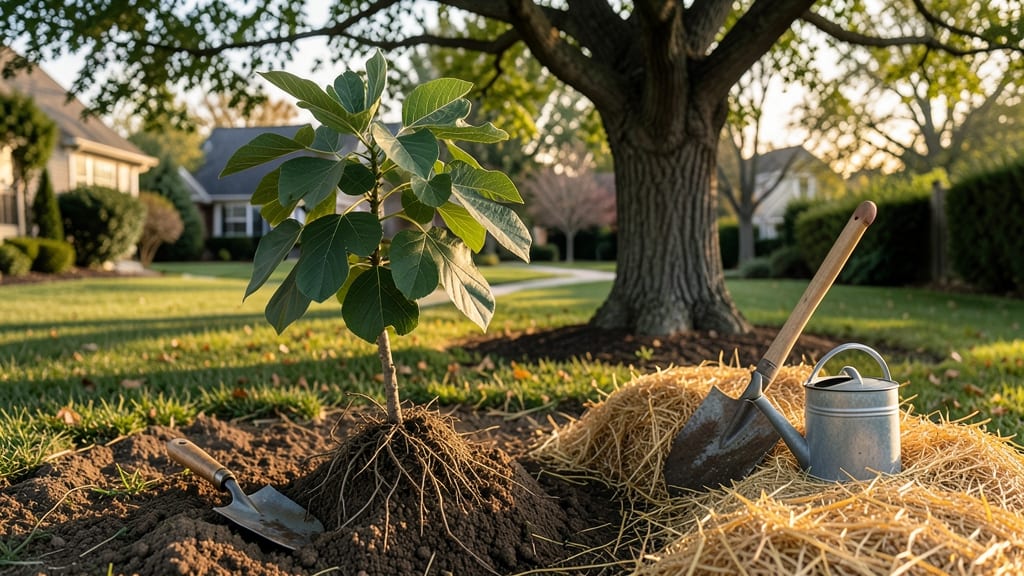
A pawpaw tree planting guide unlocks a rare, tropical-tasting fruit that thrives in temperate zones—here’s how to do it right. 🌱 The secret lies in patience and preparation, since these slow-growing trees take 3-5 years before producing fruit, but the payoff is worth it. My first attempt failed because I rushed the soil prep, so I’ve refined the process to ensure your pawpaws get off to the best start.
You’ll need rich, well-draining soil with a pH between 5.5 and 6.5, plus a spot with partial shade to full sun—they handle heat better than most people realize. Plant seeds ½ inch deep in early spring or fall, spacing saplings 15-20 feet apart for proper airflow and future shade.
The key is mimicking their native understory habitat, which means avoiding soggy soil and competing roots.
After planting, water deeply once a week for the first month, then taper off as roots establish. Pawpaws need two trees for cross-pollination (they’re self-incompatible), so plant at least two varieties if you want fruit.
The first few years focus on root growth—you’ll know you’re on track when new shoots appear by early summer.
Common mistakes? Overwatering, planting too deep, or ignoring pollinators (bees love pawpaw flowers). With the right care, your trees will reward you with creamy, mango-like fruit by mid-summer—just don’t expect it overnight. Let’s get those seeds in the ground!
📚 In This Guide
- What you need
- Instructions
- Tips and common mistakes
- Wrapping up and next steps
What you need
- ● Pawpaw seeds: 10–20 fresh, viable seeds (harvested from ripe fruit or purchased from a reputable supplier). Pro tip: 💡 Seeds lose viability quickly—plant them within 3–6 months for best results!
- ● Seed-starting mix: 2–3 gallons of well-draining, sterile potting soil (or a 50/50 blend of peat moss and perlite).
- ● Growing containers: 4–6 small pots (4–6 inches deep) with drainage holes, or a seed tray with individual cells.
- ● Plastic wrap or humidity dome: To maintain moisture during germination.
- ● Pruning shears or knife: For scarifying seeds (lightly nicking the hard outer shell).
- ● Spray bottle: For gentle watering (avoid over-saturating seeds!).
- ○ Heat mat (optional): A small seedling heat mat (70–80°F range) to speed up germination.
- ● Garden gloves: To protect your hands while handling seeds or soil.
- ○ pH testing kit (optional): To ensure soil pH is between 5.5–6.5 (ideal for pawpaws).
- ● Sunlight: A permanent spot with full sun to partial shade (6+ hours of sunlight daily).
- ● Soil: Well-draining, slightly acidic soil with organic matter (amend with compost if needed).
- ● Space: Mature pawpaw trees need 20–30 feet of diameter (or 15 feet if grown in a hedge).
- ● Water source: A hose with a gentle spray nozzle or drip irrigation setup.
- ○ Mulch (optional): 2–3 inches of wood chips or straw to retain moisture and suppress weeds.
Step-by-step instructions for planting pawpaw trees
Here’s how to grow these cold-hardy, shade-loving giants from seed—my foolproof method for thriving pawpaws.
🌱 Step 1: Collect and Prepare Seeds for Planting
Pawpaw seeds ripen in late summer to early fall, so gather them fresh from yellowed fruit. Scoop out the large, brown seeds and rinse off the sticky pulp. Plant them immediately—they lose viability quickly. I like to plant them in late fall or early spring for the best germination rates.
If you can’t plant right away, store seeds in a damp paper towel inside a sealed plastic bag in the fridge for up to 3 months. Check weekly for mold or drying—seeds must stay moist but not soggy. Cold stratification mimics winter conditions and breaks dormancy, so don’t skip this step if planting in spring.
🪴 Step 2: Choose the Right Location and Soil
Pawpaw trees thrive in partial shade—think 4-6 hours of morning sun with afternoon shade. They tolerate full shade but produce fewer fruits. Avoid hot, dry spots; pawpaws prefer moist, well-draining soil with a pH of 5.5-7.0. Test your soil first—amend with compost if it’s too sandy or clay-heavy.
Dig a hole twice as wide as the root ball but only as deep as the container’s root base. Loosen the sides of the hole to encourage root spread. Pawpaws have shallow roots, so avoid deep planting—the crown should sit just above soil level. Water the hole deeply before planting to settle the soil.
☀️ Step 3: Plant Seeds or Saplings at the Right Time
For seeds, plant them ½ inch deep in well-draining soil mixed with compost. Space them 12 inches apart if planting multiple seeds—you’ll thin later. Cover lightly with soil, then water gently to avoid displacing seeds. Germination takes 4-8 weeks in ideal conditions, but be patient—some seeds may take longer.
If planting saplings, remove the plant from its container and tease the roots gently if they’re circling. Place the root ball in the hole, backfill with native soil, and water deeply. Mulch with 2-3 inches of organic mulch (like shredded leaves or wood chips) to retain moisture and suppress weeds. Keep the soil consistently moist for the first 2 months—this is critical for root establishment.
💧 Step 4: Water and Fertilize for Strong Growth
Pawpaw trees need 1-2 inches of water weekly, more in hot, dry spells. Water deeply at the base—avoid overhead watering to prevent fungal diseases. You’ll know you’re doing it right when the top 2 inches of soil feel slightly damp but not waterlogged. Overwatering is a common mistake that leads to root rot.
Fertilize lightly in early spring with a balanced, slow-release fertilizer (10-10-10). Pawpaws are not heavy feeders, so avoid overdoing it—too much nitrogen promotes leafy growth at the expense of fruit. Instead, focus on organic matter like compost or well-rotted manure to improve soil structure over time.
⏰ Step 5: Prune and Protect Young Trees
Prune in late winter or early spring before new growth begins. Remove any dead, damaged, or crossing branches to improve airflow and sunlight penetration. Pawpaws are naturally bushy, so minimal pruning is needed—just shape as necessary. Avoid heavy pruning, as it stresses the tree and reduces fruit production.
Young pawpaw trees are sensitive to late frosts. If your area experiences hard freezes, protect them with burlap wraps or a lightweight frost cloth. Pawpaws are one of the few native trees that tolerate Zone 5 cold, but young plants need extra care until established. Mulch heavily in fall to insulate roots during winter.
Tips & tricks for perfect pawpaw tree planting
These essential insights will help you avoid common pitfalls and maximize your pawpaw tree's potential from the very first planting.
Timing is Everything: For best germination results, plant seeds in late fall or early spring as instructed. If planting in spring, remember that cold stratification is crucial—those 3 months in the fridge mimic winter conditions and break seed dormancy. I've seen seeds planted without stratification take twice as long to sprout, if they sprout at all. The 4-8 week germination window assumes proper stratification, so don't rush this step.
Soil Preparation Secret: Pawpaws thrive in moist but well-draining soil with a pH of 5.5-7.0. Before planting, mix compost into your native soil to improve drainage and fertility. I recommend testing your soil first—many gardeners overlook this, only to struggle with poor growth. If your soil tests too acidic, add lime; if too alkaline, work in peat moss. The goal is that 2-inch soil dampness you'll maintain after planting.
Planting Depth Matters: When planting seeds ½ inch deep, use your finger to create a small dimple rather than pressing seeds into compacted soil. This ensures proper air circulation at the seed level while keeping them protected. For saplings, that twice-as-wide hole is key—pawpaws have shallow roots that spread wide, not deep. I've seen many gardeners plant too deep, which can suffocate the crown and lead to poor establishment.
Watering Wisdom: The 1-2 inches of water weekly guideline assumes average conditions. During the critical first 2 months after planting, check soil moisture daily—top 2 inches should stay damp but never soggy. Overwatering is the #1 killer of young pawpaw trees. I use a moisture meter for my saplings to avoid guesswork. Water deeply at the base rather than sprinkling overhead, which can promote fungal diseases that pawpaws are susceptible to.
Pro Tips for Pawpaw Tree Planting Guide
- These essential insights will help you avoid common pitfalls and maximize your pawpaw tree's potential from the very first planting.
- Timing is Everything: For best germination results, plant seeds in late fall or early spring as instructed.
- Soil Preparation Secret: Pawpaws thrive in moist but well-draining soil with a pH of 5.5-7.0.
Frequently asked questions
Got questions about growing pawpaws? You’re not alone! Here are some of the most common queries—and their answers—to help you plant with confidence.
When is the best time to plant pawpaw seeds or saplings?
Plant pawpaw seeds in early spring (after the last frost) or fall (6–8 weeks before freezing temps). For saplings, late winter or early spring is ideal—just ensure the soil is workable. Avoid planting in extreme heat or drought conditions, as young roots need moisture to establish.
How cold can pawpaw trees tolerate?
Pawpaws thrive in USDA Zones 5–9 and can handle brief dips to −15°F (−26°C). Young trees may need winter mulch (straw or leaves) for extra protection. Older trees often bounce back from cold snaps, but late frosts can damage flowers—plant in sheltered spots if you’re in Zone 5.
Can I grow pawpaws from seed, or should I buy a grafted tree?
Both work! Seeds are free but may take 5–10 years to fruit (and varieties vary). Grafted trees (like ‘Sunflower’ or ‘Pennsylvania Golden’) produce faster and guarantee flavor—but cost more. Start with seeds for fun or grafted trees if you want reliable fruit sooner.
What pests or diseases should I watch for?
Pawpaws are generally low-maintenance, but keep an eye out for borers (drill holes in bark), anthracnose fungus (black leaf spots), and deer (they love young shoots!). Prune damaged branches promptly, avoid overhead watering, and use row covers if deer are a problem.
How much space do pawpaw trees need?
Pawpaws grow 20–40 feet tall with a 15–25-foot spread. Space saplings 15–20 feet apart for optimal airflow and sunlight. If space is limited, dwarf varieties (like ‘Wabash’) stay smaller but may yield less fruit. Plant near fences or property lines for shade!
Pro Tip:
Need a quick reference? Bookmark this pawpaw planting checklist for soil prep, planting steps, and care timelines!
Wrapping up and next steps
Planting a pawpaw tree is a rewarding journey—whether you’re drawn to its fragrant blossoms, unique fruit, or shade-providing branches. With the right location, soil prep, and patience, you’ll soon enjoy a thriving tree that’s as resilient as it is beautiful. 🌱
Ready to take the next step? Order seeds or saplings from a trusted supplier, mark your planting spot, and dive in! Share your progress with fellow gardeners—your pawpaw’s success might inspire others to grow their own.