
Pruning
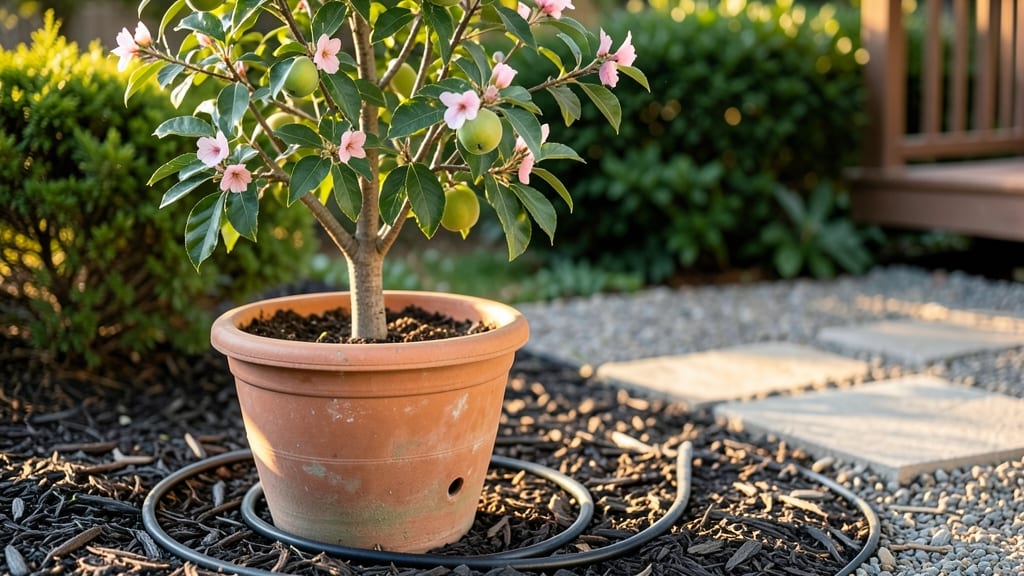
Growing a patio peach tree requires care—sunlight is your secret weapon—at least 6 hours daily, but 8+ guarantees the juiciest fruit. 🌞 I learned this the hard way when my first tree produced tiny, mealy peaches because it sat in afternoon shade.
The right spot transforms a dwarf peach tree into a prolific producer, even in containers.
Start with well-draining soil—peaches hate soggy roots—and a 5-gallon container for dwarf varieties. Water deeply 2-3 times weekly in summer, letting the top inch dry between soakings.
Prune in late winter to open the center, removing crossing branches that steal energy from fruit production. This single step doubled my harvest last year.
By mid-summer, you’ll see blushing peaches hanging heavy on the branches—if you’ve avoided common pitfalls like overwatering or skipping winter pruning. The trees reward patience with years of harvests, and even urban balconies can produce enough for fresh eating, jams, or sharing with neighbors.
For small spaces, choose dwarf varieties like ‘Bonanza’ or ‘Bonanza Red’—they stay under 8 feet tall and thrive in containers. Just remember: peaches need winter chill (300-500 hours below 45°F), so verify your climate zone before planting. With these basics, your patio peach tree will outperform store-bought fruit every season.
📚 In This Guide
- What you need
- Instructions
- Tips and common mistakes
- Wrapping up and next steps
What you need
- ● Patio peach tree: Dwarf variety (e.g., Bonanza or Redhaven) for container-friendly growth (5–6 ft mature height).
- ● Container: 15–20 gallon pot with drainage holes (terracotta or fabric grow bag).
- ● Potting mix: Well-draining blend (60% organic matter, 40% perlite/sand). Quantity: 2–3 cubic feet per tree.
- ● Pruning tools: Bypass pruners (for cuts <½ inch thick)
- ● Loppers (for thicker branches, ¾–1½ inch)
- ● Hand saw (for stubborn limbs >1½ inch)
- ● Fertilizer: Balanced 10-10-10 (spring planting)
- ● Citrus/peach-specific fertilizer (summer/fall, high in nitrogen)
- ● Mulch: 2–3 inches of wood chips or straw (keep 6 inches away from trunk).
- ● Watering can or hose with adjustable nozzle (drip irrigation ideal for containers).
- ● Support stake: 1–2 bamboo or metal stakes (4–5 ft tall) + soft ties.
- ● Tree collar spray (copper-based) to prevent fungal diseases.
- ● Grafting tape (if repairing damaged bark).
- ● Fruit thinning shears (for precision harvest management).
- ● Soil moisture meter to track hydration levels.
- ● Shade cloth (30–50% coverage) for young trees in scorching climates.
Instructions for cultivating a thriving patio peach tree
Here’s how to coax sweet, juicy fruit from your dwarf peach—with sunlight as your secret weapon.
☀️ Step 1: Position for Maximum Sunlight
Peaches demand full sun—at least 8 hours daily—so scout your patio for the sunniest corner. South-facing exposures work best, but west-facing spots also deliver strong afternoon light. If your space gets partial shade, choose a dwarf variety like ‘Bonanza’ or ‘Redhaven’; they tolerate slightly less sun than standard trees.
Watch for microclimates: A wall or fence can trap heat, creating a 5-10°F warmer zone perfect for peaches. If your patio lacks full sun, supplement with a high-output LED grow light (20,000 lumens) for 6 hours daily during winter. You’ll know the light is sufficient when leaves stay deep green and fruit doesn’t develop blossom-end rot.
🪴 Step 2: Plant with Proper Spacing and Soil Prep
Dig a hole twice as wide as the root ball but only as deep—peach roots dislike being buried too deep. Amend the native soil with 2-3 inches of compost and a handful of slow-release fertilizer (10-10-10 ratio) mixed into the bottom of the hole. This ensures roots establish quickly in well-draining soil; peaches hate soggy feet.
Space your tree 10-12 feet from walls or fences (or other trees) to avoid competition. If your patio is tight, prune lower branches annually to keep the canopy compact. Water deeply once planted, then let the soil dry slightly before watering again—this prevents root rot, a common killer of container-grown peaches.
💧 Step 3: Water Deeply and Strategically
Peaches need 1-2 inches of water weekly, but deep soakings (every 5-7 days) encourage strong root growth. Water at the base, not overhead, to prevent fungal diseases like brown rot. You’ll know you’re doing it right when the top 2 inches of soil feel dry between waterings—stick your finger in to check.
During fruit set (late spring), increase water slightly to support heavy crops. Mulch with 2-3 inches of wood chips to retain moisture and regulate soil temperature. Avoid wetting leaves when watering—this reduces powdery mildew risk. If your patio’s soil drains poorly, amend with sand or perlite to improve aeration.
✂️ Step 4: Prune for Airflow and Fruit Quality
Prune in late winter or early spring before buds swell, removing dead, crossing, or inward-growing branches. Aim for an open center that lets sunlight penetrate to the core—this prevents fungal issues and improves fruit quality. Thin out suckers (shoots at the base) and water sprouts (vertical shoots) to redirect energy into fruit production.
After harvest, do a light pruning to shape the tree and remove any branches that rub together. You’ll see the difference in next year’s fruit: larger size, better color, and fewer cracks. Avoid heavy pruning in summer—it stresses the tree and invites pests. Always sterilize pruners with rubbing alcohol between cuts to prevent disease spread.
🌱 Step 5: Feed and Protect for Year-Round Health
Fertilize in early spring with ½ cup of 10-10-10 fertilizer (or organic equivalent) spread over the root zone. Repeat in mid-summer if leaves look pale. Peaches are heavy feeders, but too much nitrogen leads to leafy growth at the expense of fruit—balance is key. Monitor for yellowing leaves, which signal over- or under-fertilization.
Watch for peach tree borers and aphids—treat with neem oil at first sign of damage. If birds peck at fruit, drape netting loosely over the tree before ripening. Harvest when fruit slips easily from the tree and skin blushes—this ensures peak sweetness. With consistent care, your patio peach will reward you with years of homegrown fruit.
Tips & tricks for patio peach tree care
Here's what nobody tells you about getting that perfect patio peach harvest—these are the details that separate good from great.
Sunlight Strategy: The 8 hours of daily sunlight is non-negotiable, but don't just stop there. Track your tree's sun exposure throughout the day—morning sun builds energy while afternoon sun ripens fruit. I've seen trees in east-facing positions struggle with fruit development because they miss that crucial afternoon heat. Consider rotating your tree's position if you notice uneven ripening on different sides. For container growers, move your tree to follow the sun's arc if possible.
Soil Science: That 2-3 inches of compost isn't just filler—it's where the magic happens. Peach trees thrive when their roots can access both moisture and oxygen. I recommend mixing in some vermiculite (not perlite) for container trees—it holds moisture better while improving drainage. The key is creating a soil environment that mimics peaches' natural hillside habitats where they evolved. Always test your soil's pH before planting—peaches prefer slightly acidic soil between 6.0-6.5.
Watering Wisdom: The 5-7 day watering schedule works beautifully in ideal conditions, but real life isn't always ideal. During heatwaves (when temperatures exceed 90°F), you'll need to water every 3-4 days instead. I use a moisture meter to check soil moisture—when it reads below 40%, it's time to water. The top 2 inches dry test is great, but deeper roots need consistent moisture too. Remember that mulch acts like a moisture blanket—keep those 2-3 inches of wood chips intact to reduce evaporation.
Pruning Precision: When you're pruning in late winter, focus on creating that open center by removing branches that grow inward at angles less than 45 degrees. These branches compete for sunlight and nutrients, reducing fruit quality. I mark my pruning cuts with a piece of masking tape before making them—this helps me visualize the final shape. And here's a pro move: after your initial pruning, step back and look at the tree from all angles. You should see sunlight all the way to the center without obstruction.
Pro Tips for Patio Peach Tree Care
- Here's what nobody tells you about getting that perfect patio peach harvest—these are the details that separate good from great.
- Sunlight Strategy: The 8 hours of daily sunlight is non-negotiable, but don't just stop there.
- Soil Science: That 2-3 inches of compost isn't just filler—it's where the magic happens.
Frequently asked questions
Got questions about keeping your patio peach tree thriving and productive? Here are some of the most common concerns—and their answers—to help you grow sweet fruit year after year.
How much sunlight does a patio peach tree really need?
A patio peach tree thrives with 6–8 hours of direct sunlight daily. If your space gets less, choose a dwarf variety (like ‘Bonanza’ or ‘Redhaven’) and supplement with grow lights in winter. South-facing patios are ideal, but east or west exposures work too—just monitor fruit ripening times.
When should I prune my patio peach tree for fruit?
Prune in late winter or early spring (before buds swell) to shape the tree and remove dead wood. For fruit production, do a light summer prune after harvest to encourage airflow. Avoid heavy cuts in fall—it can stimulate late growth vulnerable to frost damage.
Why aren’t my peaches ripening on the patio tree?
Likely culprits: insufficient sunlight, overwatering, or nutrient deficiencies. Check for yellowing leaves (nitrogen deficiency) or small, hard peaches (calcium lack). Move the tree to sunnier spot, adjust watering (deep but infrequent), and fertilize with citrus/peach-specific food in early spring.
Can I grow a peach tree in a container on a patio?
Yes! Use a 15–20 gallon pot with drainage holes and well-draining soil. Dwarf varieties like ‘Little Princess’ or ‘Bonanza’ adapt well. In winter, move the pot to a sheltered spot (like a garage) if temps drop below 10°F (-12°C). Water sparingly in cold months to prevent root rot.
How do I protect my patio peach tree from pests?
Peach trees attract aphids, peach tree borers, and spider mites. Start with neem oil spray for soft-bodied pests. For borers, apply beneficial nematodes or wrap the trunk with tree guard to deter larvae. Inspect leaves weekly—early action prevents infestations from spreading.
Wrapping up and next steps
Caring for your patio peach tree is all about balancing sunlight, pruning, and patience—and the sweet rewards are worth every effort! With the right techniques, you’ll enjoy juicy peaches year after year while keeping your tree healthy and thriving. 🌞✨
Ready to take the next step? Monitor your tree’s progress seasonally, adjust care as needed, and don’t hesitate to consult local gardening resources for tailored advice. Happy growing—your future peach harvest awaits!