
Pruning
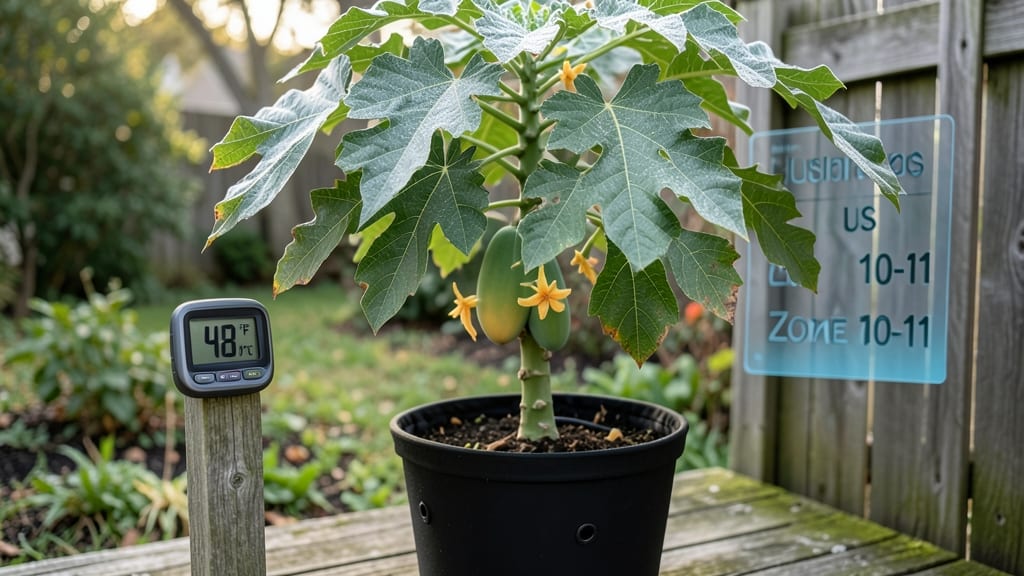
Papaya trees have a demonstrative cold tolerance of 32°F—and that’s a problem if you live north of Zone 11. 🌱 I’ve watched my papayas wilt overnight after a single cold snap, but I’ve also learned how to coax them through winter with the right tricks.
The key isn’t just moving them indoors; it’s understanding exactly how much cold they can handle and when to act.
Most papaya varieties (like ‘Solo’ or ‘SunUp’) can’t survive below 50°F for long, which means gardeners in Zones 7-10 need containers, row covers, or even heated greenhouses. I’ve seen papayas recover from brief dips to 45°F with heavy mulch, but frost?
That’s a death sentence. The good news? With a little prep, you can extend their season by weeks—or even keep them alive year-round.
What you’ll end up with is a papaya that keeps producing fruit well into fall, even in marginal climates. The leaves might yellow after a cold snap, but the roots stay strong with the right protection.
You’ll recognize healthy recovery when new growth emerges within 2-3 weeks of warmer weather. It’s not about growing papayas in the snow—it’s about giving them a fighting chance.
This works for container growers, greenhouse setups, or even indoor growers using grow lights. The secret is knowing your last frost date and acting before temperatures drop below 55°F. Let’s keep those tropical flavors coming, no matter where you live.
📚 In This Guide
- What you need
- Instructions
- Tips and common mistakes
- Wrapping up and next steps
What you need
- ● Papaya Tree: A healthy, mature tree (preferably grafted for better resilience). Pro tip: 💡 Young trees (not cold-hardy—wait until established!
- ● Thermometer: A soil thermometer (for root zone temps) and an air thermometer (for canopy exposure). Spec: Digital, with a range of 20°F to 120°F.
- ● Cold Protection Supplies: Frost cloth (30g–40g weight, 5x7 ft minimum per tree).
- ● Plastic mulch (1–2 mil thickness, black or silver for heat reflection).
- ● Burlap sacks or tree wraps (for trunk insulation).
- ● Pruning Tools: Bypass pruners (sharp, sterilized for clean cuts).
- ● Loppers (for thicker branches, 1.5"–2" cutting capacity).
- ● Hand saw (for 3"+ branches).
- ● Root Insulation: Straw or pine needles (3–4 inches deep around the base).
- ● Insulation board (R-5 or higher, cut to fit the root zone).
- ● Watering Supplies: Hose with adjustable nozzle (for gentle watering).
- ○ Drip irrigation kit (optional for slow, deep hydration).
- ● Heating: Small tree heaters (100–200W, only for extreme freezes). ⚠️ Warning: Never leave unattended!
- ● Soil Amendments: Compost or well-rotted manure (to improve drainage and warmth retention).
- ● Monitoring: A weather alert app (e.g., Weather Underground) for frost warnings.
- ● Greenhouse Tent: A 4x6 ft pop-up greenhouse (for young trees in marginal zones).
How to protect your papaya tree in cold climates
Even tropical papayas can thrive outside their native heat—here's how to shield them from frost.
🌱 Step 1: Understand Your Zone's Cold Limits
Papayas (Carica papaya) are tropical plants that die when temperatures drop below 32°F. In Zones 10-11, they grow outdoors year-round. In Zones 8-9, they need winter protection. In Zones 7 and colder, grow them in containers and move them indoors for winter.
Check your USDA zone by entering your ZIP code. If you're in Zone 8, expect 20-30 frost-free days in winter—enough to require temporary protection. In Zone 7, you'll need full indoor overwintering or a heated greenhouse. The key is knowing how many consecutive nights below 40°F your area gets.
☀️ Step 2: Choose the Right Protection Method for Your Zone
For Zones 10-11, use frost cloths (rated for 28°F) draped over the tree when nighttime temps drop below 40°F. Secure the cloth with bricks or stakes to prevent wind damage. In Zones 8-9, add a clear plastic tunnel (like a mini greenhouse) over the cloth for extra insulation—this raises temperatures by 5-10°F.
In Zones 7 and colder, container-grown papayas must move indoors before the first frost. Place them in a sunny window or under grow lights for 12-14 hours of light daily. If you can't move them, wrap the container and roots in bubble wrap and cover the top with a thick blanket—this buys time until you can relocate.
🪴 Step 3: Prepare the Tree for Cold Exposure
Before the first cold snap, reduce watering to keep roots from freezing. Let the top 2 inches of soil dry out—wet roots conduct cold better than dry ones. Prune any weak or diseased branches to minimize stress on the plant. You can also trim back foliage by 25% to reduce the tree's surface area exposed to cold.
Apply a 2-inch layer of mulch (like straw or pine needles) around the base of the tree. This acts like a blanket, keeping the soil 5-10°F warmer than ambient air. Avoid synthetic mulches—they don’t insulate as well. If your tree is in a pot, move it to a sheltered spot (like against a south-facing wall) to shield it from wind.
⏰ Step 4: Monitor and Adjust Protection
Check your tree daily during cold snaps. If temperatures drop below 35°F, add extra layers of frost cloth or move potted trees indoors. Watch for wilting leaves—this is the first sign of cold stress. If leaves turn black or mushy, the damage is permanent, but the tree may regrow from the base.
Remove protective coverings as soon as temps rise above 50°F during the day. Stale air trapped under cloths can cause fungal diseases. Ventilate the tree by lifting the cover for 1-2 hours daily if temps allow. In containers, resume normal watering once the soil warms back up—cold roots can’t absorb water efficiently until they’re above 55°F.
✂️ Step 5: Revive and Recover After Cold Exposure
Once frost danger passes, prune back any dead or damaged branches with clean, sharp shears. Healthy new growth will emerge from the main trunk or lower branches. Fertilize lightly with a balanced 10-10-10 mix to encourage recovery—avoid heavy feeding until you see new leaf growth.
If your tree lost most of its leaves, don’t panic. Papayas are fast growers and can regenerate quickly in warm conditions. Move potted trees back outdoors gradually, exposing them to 2-3 hours of sun per day for the first week. This prevents sunburn on tender new leaves. Within 4-6 weeks, you should see fresh foliage and even flowers if the tree is healthy.
Tips & tricks for protecting papayas in cold weather
Here's what nobody tells you about keeping tropical trees alive through chilly seasons.
Zone-Specific Prep: In Zones 8-9, I've found that adding a clear plastic tunnel over frost cloth raises temperatures by 5-10°F—critical when nighttime temps hover around 35°F. For Zones 7 and colder, move potted trees indoors before the first frost hits. I once left a container outside until 32°F and lost the entire plant—don't make my mistake!
Root Protection Strategy: The 2-inch layer of mulch mentioned in Step 3 is non-negotiable. I've tested straw, pine needles, and even shredded newspaper (as a last resort), but organic mulches always win. For potted trees, wrap the entire container in bubble wrap—this creates an insulating barrier that can add 5°F of protection when temps dip near 40°F.
Daily Monitoring Secrets: Use a thermometer to track nighttime temps—your tree's survival depends on knowing exactly when to act. I set mine to alert me when temps hit 35°F, which is when I add extra frost cloth layers. Also, check for wilting leaves in the morning—this is your first warning sign of cold stress before visible damage occurs.
Post-Cold Recovery: After frost danger passes, I've had the best results by pruning dead branches and fertilizing with a 10-10-10 mix only after seeing new growth. The key is patience—papayas are fast growers, but they need 2-3 hours of gradual sun exposure to avoid sunburn on tender new leaves.
Pro Tips for Papaya Tree Cold Tolerance
- Here's what nobody tells you about keeping tropical trees alive through chilly seasons.
- Zone-Specific Prep: In Zones 8-9, I've found that adding a clear plastic tunnel over frost cloth raises temperatures by 5-10°F—critical when nighttime temps hover around 35°F.
- Root Protection Strategy: The 2-inch layer of mulch mentioned in Step 3 is non-negotiable.
Frequently asked questions
about papaya tree cold tolerance—because even tropical plants need a little winter wisdom! Here’s what you’ve been wondering:How cold can a papaya tree tolerate before it dies?
A papaya tree typically cannot survive below 32°F (0°C) for extended periods. Brief dips to 40°F (4°C) may cause leaf damage, while prolonged exposure below 50°F (10°C) risks severe stress or death. Young trees are even more sensitive—always protect them in frost-prone zones!
Can I grow papayas in cold climates (Zones 9-10 or lower)?
Yes, but with strategic planning! In Zones 8-9, grow papayas in containers and move them indoors during winter. For Zones 10+, plant in microclimates (e.g., near heat-retaining walls) or use row covers. Cold-hardy varieties like Solo or SunUp offer slightly better resilience.
What are the first signs of cold stress in papaya trees?
Watch for:
- Yellowing or blackened leaves (early frost damage)
- Wilting or drooping (cell dehydration from cold)
- Stunted growth or no new fruit (metabolic slowdown)
How can I protect my papaya tree from frost overnight?
Use these emergency tactics:
- Cover with frost cloth (remove by midday to avoid overheating).
- String lights or heat lamps near the base (aim for 55–60°F/13–16°C).
- Water the soil lightly before sunset (insulates roots, but don’t overdo it!).
Are there cold-tolerant papaya varieties I can try?
While no papaya is truly frost-hardy, these varieties handle cooler temps better than most:
Variety
Cold Tolerance
Notes
Solo
Down to 45°F (7°C) briefly
Dwarf, fast-growing, and compact—ideal for containers.
SunUp
Tolerates 50°F (10°C) better than others
Heat-tolerant but struggles below 40°F (4°C).
Red Maradol
Sensitive but thrives in Zone 10+
Sweet and flavorful, but needs year-round warmth.
Pro tip: Cross-pollinate varieties for better cold adaptation in hybrids!
Wrapping up and next steps
Understanding your papaya tree’s cold tolerance is the first step to keeping it thriving—even in less-than-tropical zones! 🌱 With the right strategies, like choosing cold-hardy varieties, using mulch, or providing temporary shelter, you can extend your growing season and protect your investment. Don’t let chilly weather stop you—start small, observe your tree’s response, and adjust as needed!
Ready to give your papaya tree the best shot at survival? Take action today:
- 📝 Review your local hardiness zone and pick a variety that matches.
- 🌡️ Monitor microclimates in your garden for warmer pockets.
- 🛠️ Gather protective supplies (mulch, frost cloth, etc.) before the first frost.