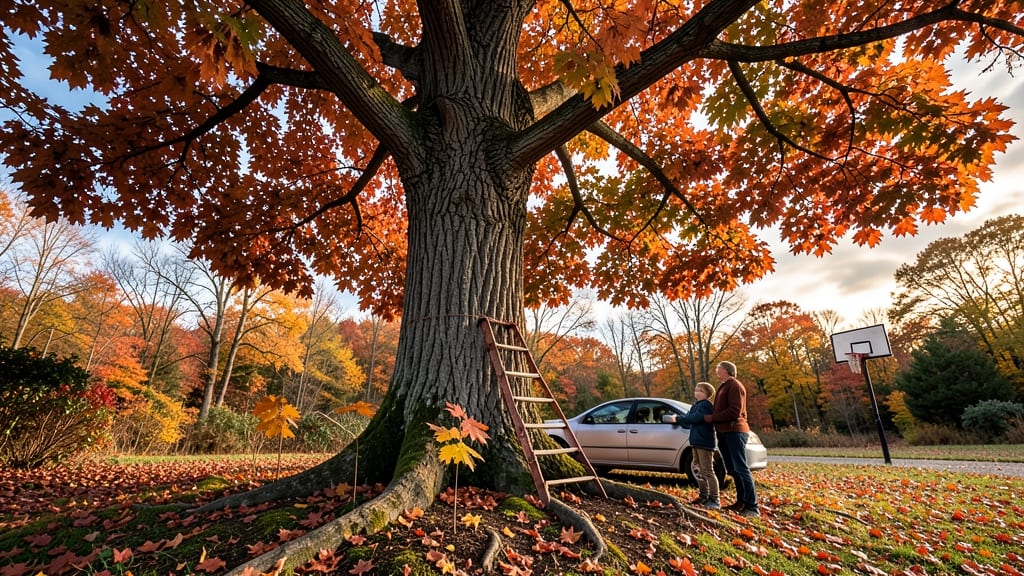
A maple tree can grow anywhere from 15 feet to over 120 feet tall, depending on the species and growing conditions — and that range might surprise you. Picture this: a Japanese Maple 🌳 swaying at eye level in your…
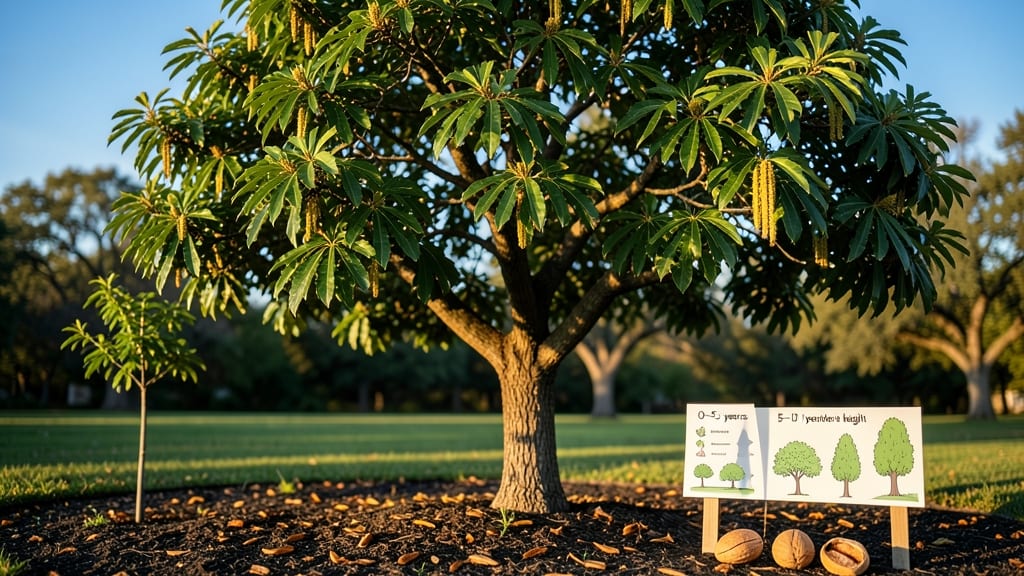
A pecan tree grows to 50 to 100 feet tall at maturity, towering over most backyard landscapes like a living skyscraper 🌰 — but that’s just the starting point. If you're dreaming of a backyard filled with shade-providing…
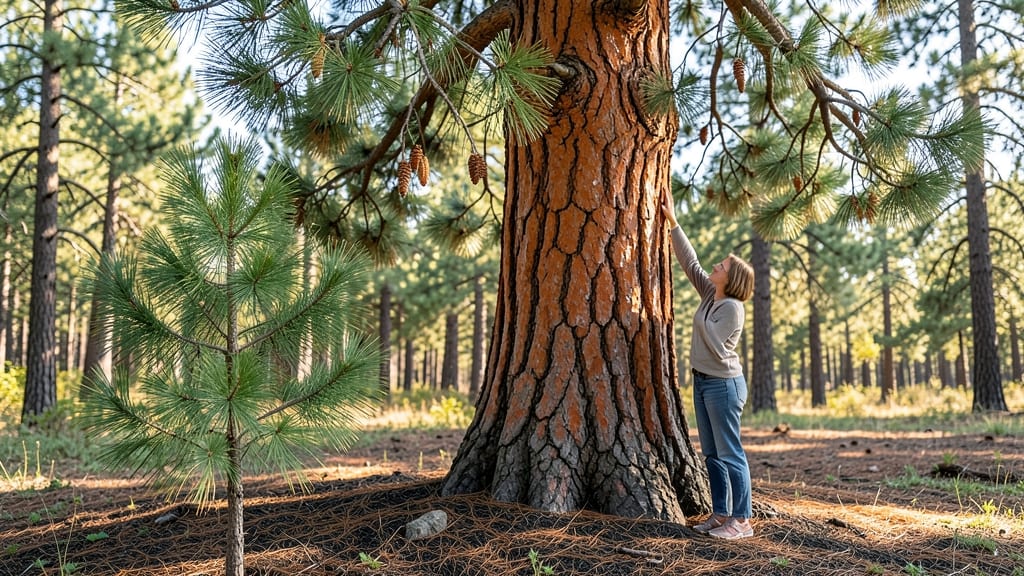
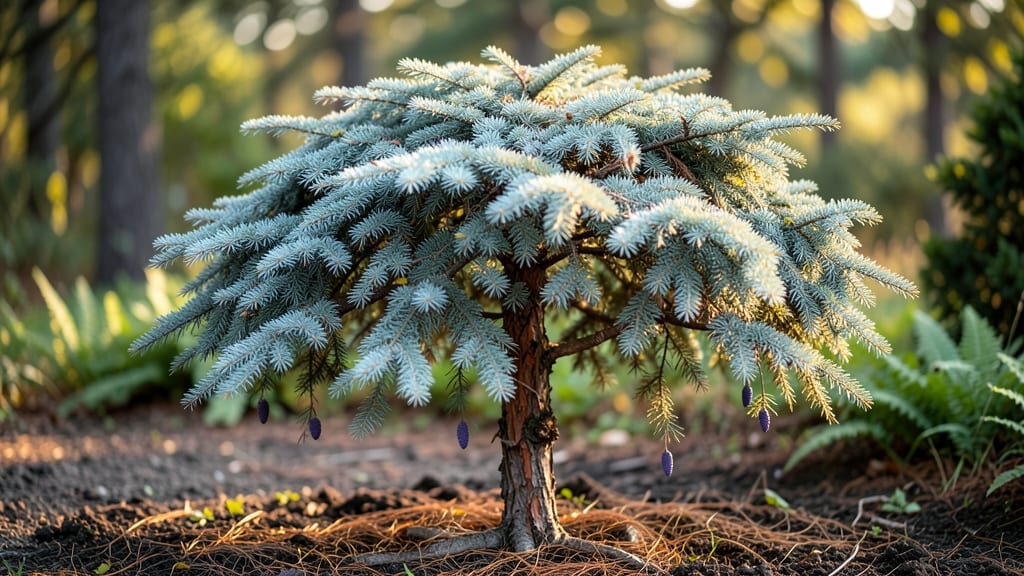
Fastest-growing pine tree species and their maximum heights Choosing a pine tree for your landscape means balancing beauty with space—some varieties grow faster than others, but their mature heights can vary…
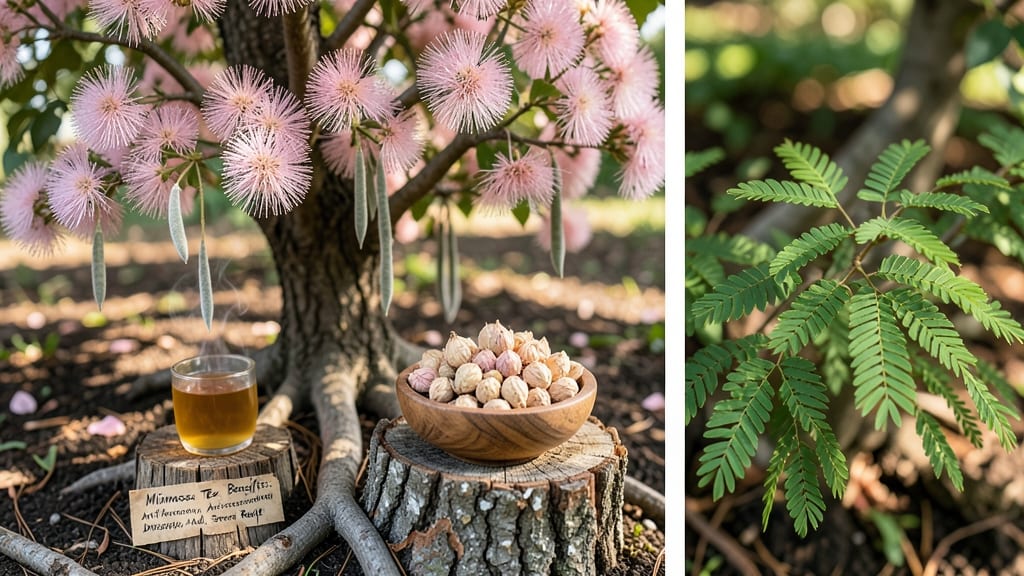
💥 Quick Answer The mimosa tree's medicinal benefits include powerful anti-inflammatory effects from its bark and leaves, along with wound-healing properties and traditional applications for pain relief and skin…
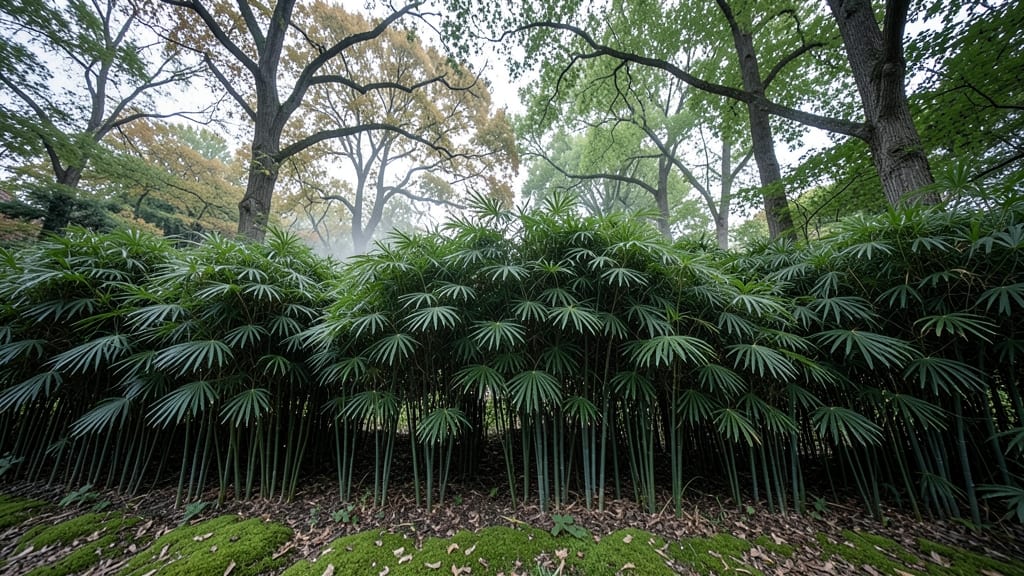
Tired of noisy neighbors or unsightly fences? These 10 bamboo varieties create lush, fast-growing privacy screens that also muffle sound—naturally. Perfect for both urban yards and rural landscapes, they deliver beauty…
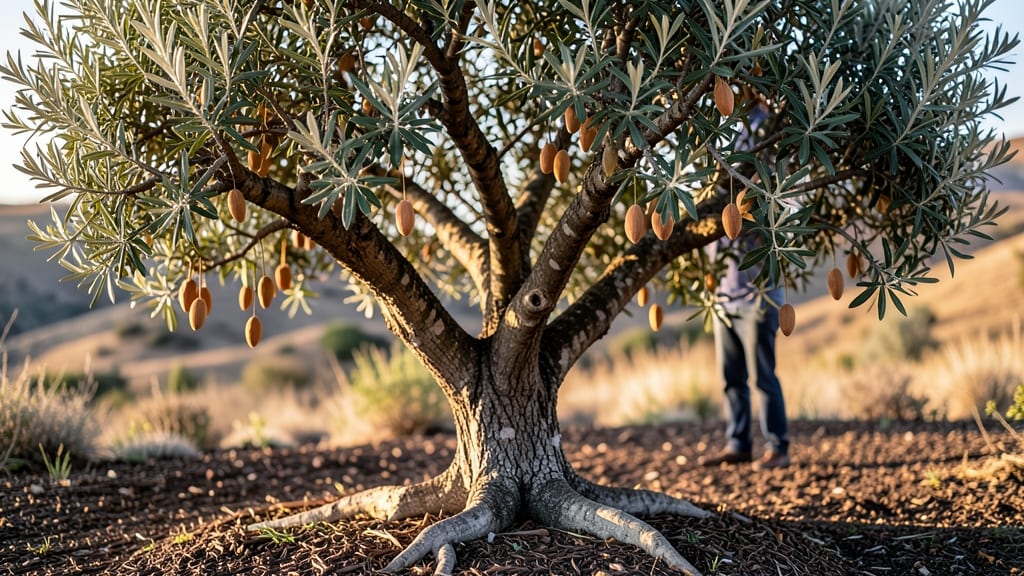
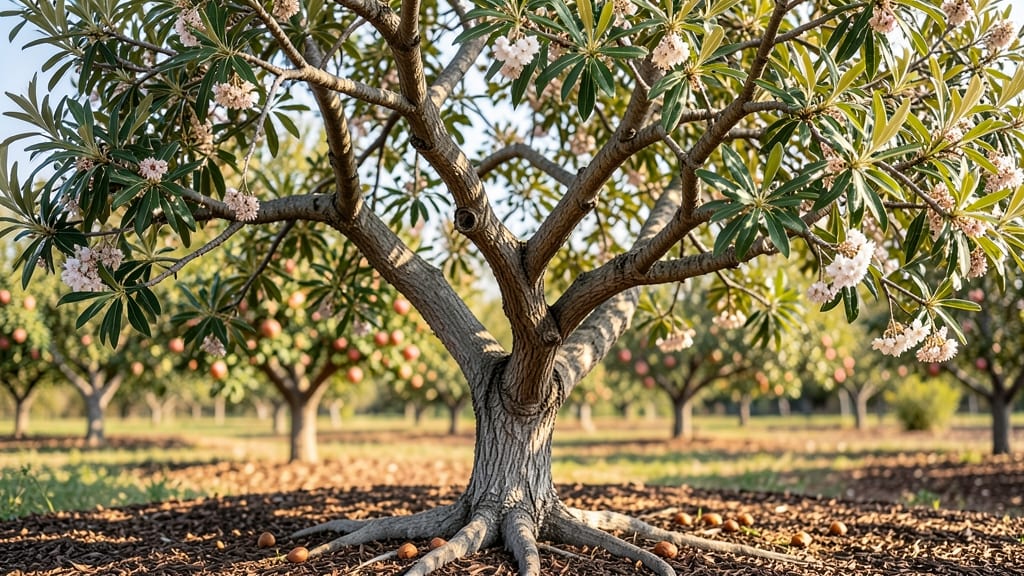
Almond trees grow to heights between 20 and 40 feet at maturity, with some varieties reaching even taller, depending on growing conditions and pruning practices. That tiny almond sapling you planted last spring might…
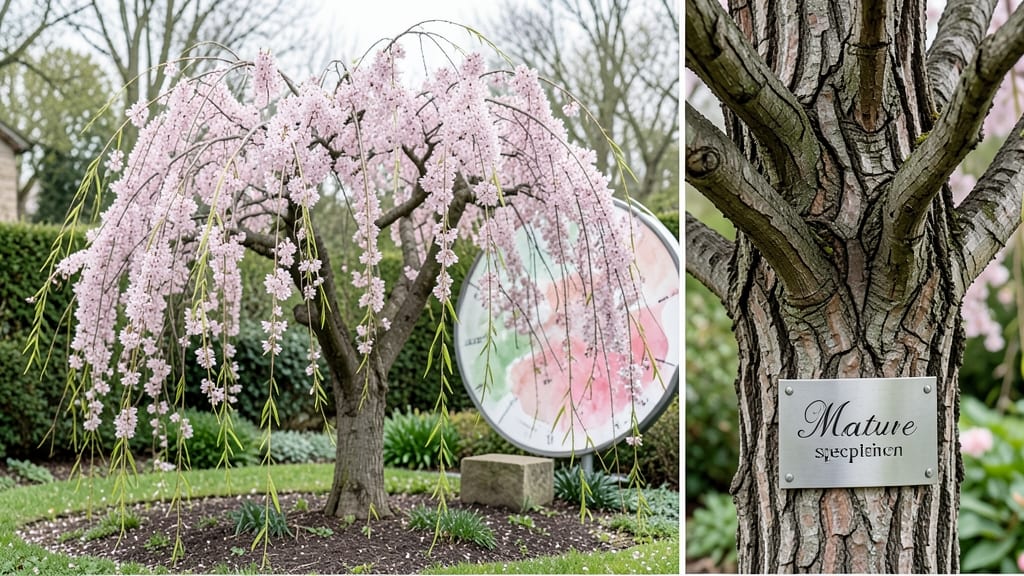
A weeping cherry tree can live for 20 to 100+ years with the right care, making it a stunning long-term investment for any landscape. 🌸 If you’ve ever admired the graceful cascading branches of a weeping cherry tree…
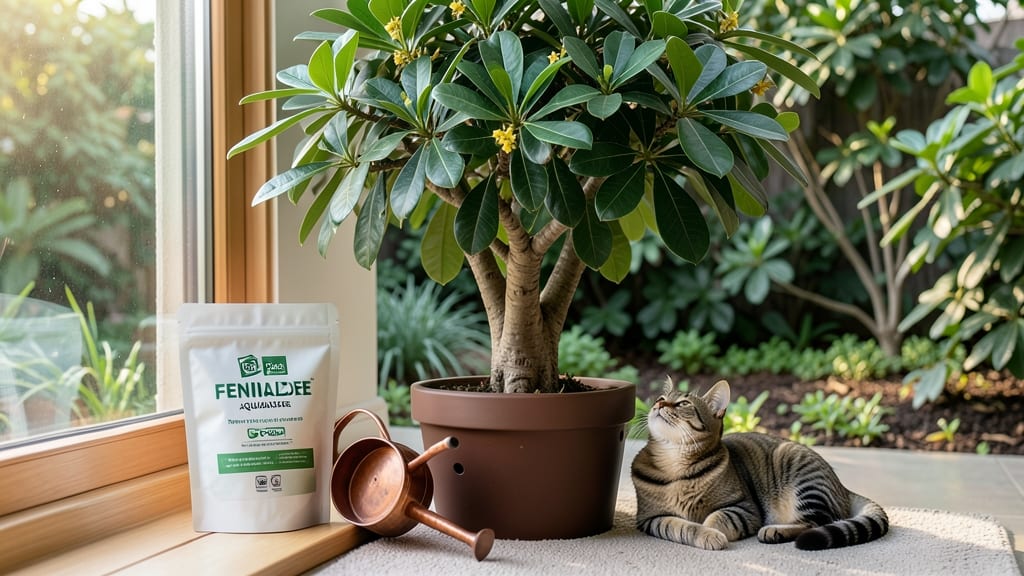
💥 Quick Answer A money tree is generally considered pet-friendly since it’s non-toxic to cats and dogs, though large ingestions may cause mild stomach upset. Its sap might irritate sensitive skin, so keep an eye on…
💥 Quick Answer Almond trees thrive best in USDA climate zones 5 through 9, with peak performance in zones 6-8, because they need 100-200 hours of temperatures below 45°F (7°C) to trigger flowering. Zone 5 requires…
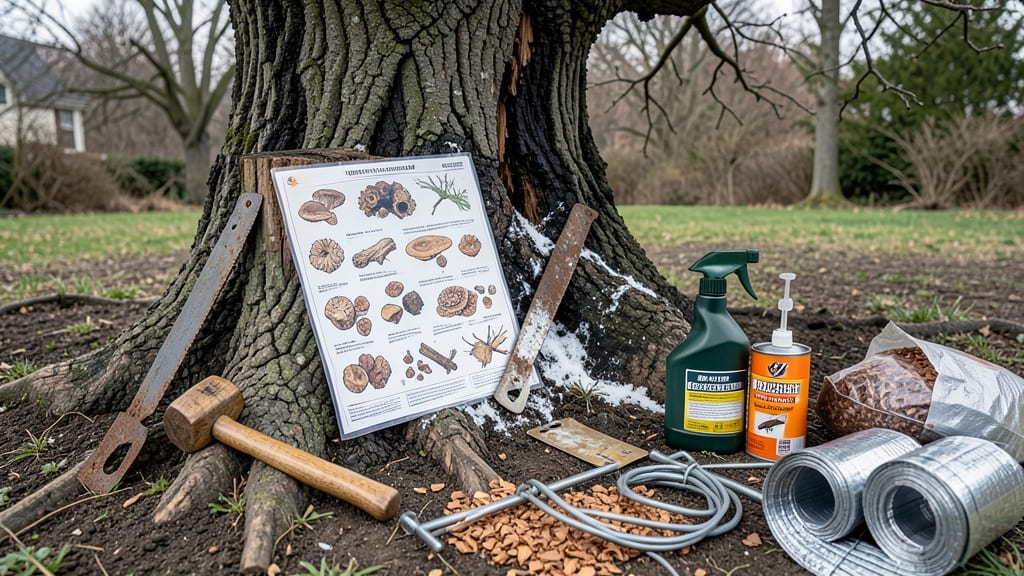
💥 Quick Answer Big tree killer herbicides like Tordon or Roundup Tree Killer work by absorbing into leaves and translocating through the vascular system to kill roots and trunk, but they can harm nearby plants and soil…
I’ve always had a green thumb—whether it was coaxing sunflowers to grow in my grandma’s backyard or nursing a sickly houseplant back to health. There’s something deeply satisfying about watching something small take root and flourish, and I wanted to share that joy with others.
Here, I’ll be your guide through the ups, downs, and occasional mess of gardening—because the best lessons come from real experiences, not just perfect tutorials.