
Pruning
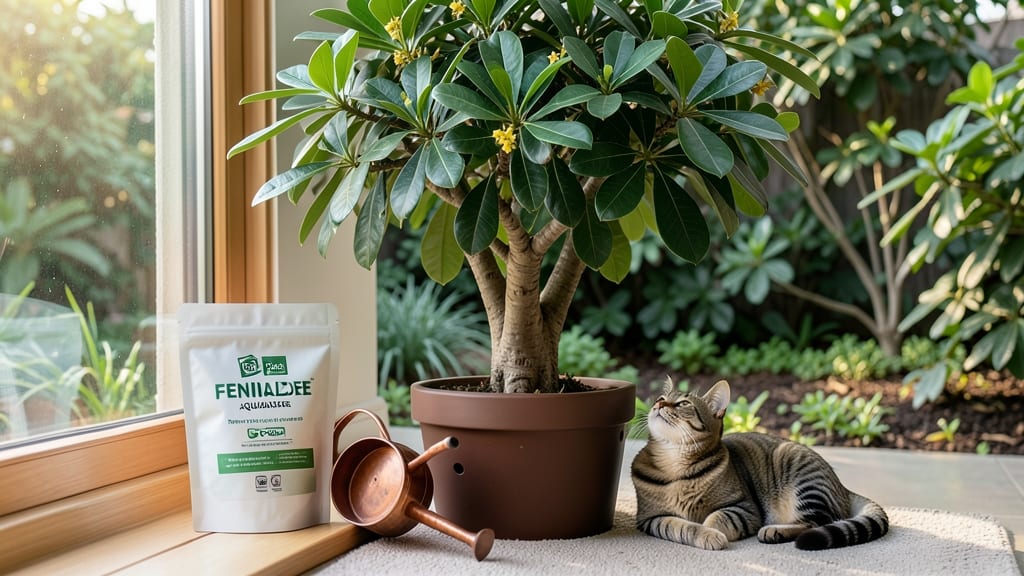
A money tree is generally considered pet-friendly since it’s non-toxic to cats and dogs, though large ingestions may cause mild stomach upset. Its sap might irritate sensitive skin, so keep an eye on curious pets and consider safer plants like spider plants or Boston ferns.
A money tree's low toxicity comes from its lack of oxalates or saponins, which are common in dangerous plants like lilies or philodendrons. 🌿 While pets can nibble on its leaves without severe reactions, the sap might still cause minor irritation—especially for pets with sensitive skin.
For extra peace of mind, opt for pet-safe alternatives like Boston ferns, which are completely non-toxic and thrive in similar lighting conditions.
If your pet does ingest parts of the money tree, watch for symptoms like drooling or vomiting, though these are usually temporary. Most vets recommend rinsing the mouth and monitoring your pet rather than panicking.
For a safer long-term solution, plants like spider plants (Chlorophytum comosum) or parlor palms (Chamaedorea elegans) offer similar aesthetic appeal without any toxicity risks.
💡 In This Article
- Why Money Trees Pose Low Toxicity Risks to Pets
- Top Pet-Safe Houseplants for Homes With Curious Animals
Why money trees pose low toxicity risks to pets
The money tree (Pachira aquatica) earns its reputation as a pet-friendly plant because it lacks the toxic compounds found in many common houseplants.
Unlike lilies (which contain toxic calcium oxalates) or poinsettias (with milky sap that causes severe irritation), the money tree contains only trace amounts of saponins—compounds that can cause mild digestive upset in large quantities. 🌱 Most pets experience no reaction at all when nibbling its leaves, making it a safer choice for homes with furry family members.
When pets do ingest money tree leaves, the primary concern is the plant's fibrous texture, which can cause temporary stomach irritation. The ASPCA lists money trees as "non-toxic," but symptoms like drooling or vomiting may appear if a pet consumes large amounts—similar to eating a mouthful of grass.
The sap, while not highly toxic, may irritate sensitive skin or paws, especially in pets with allergies. This mild reaction contrasts sharply with plants like aloe vera, whose sap can cause severe burns.
The money tree's safety stems from its botanical composition. Unlike many tropical plants that produce toxic crystals or resins, Pachira aquatica relies on physical defenses like tough leaves rather than chemical ones.
Its bark and branches contain minimal saponins (typically <0.1% by weight), far below the threshold needed to cause systemic poisoning. 🐶 For comparison, a dog would need to consume roughly 100 leaves at once to experience noticeable effects—a scenario unlikely for most pets.
What makes money trees particularly appealing is their resilience. They thrive in low-light conditions (ideal for indoor spaces) and require minimal care, reducing the risk of overwatering or poor maintenance that could stress the plant and potentially increase irritants.
Their glossy, palm-like leaves also deter pets from chewing, as the texture is less appealing than softer plants. However, if your pet is a determined chewer, consider placing the money tree in a hanging planter or elevated spot.
For pet owners concerned about accidental ingestion, the money tree's low toxicity means you can focus on prevention rather than emergency preparedness.
Unlike toxic plants that require immediate vet visits, money tree incidents typically resolve with basic monitoring. 💛 The plant's stability and non-toxic nature make it a practical choice for households where pets and greenery coexist.
If you notice your pet showing interest in the money tree, redirect their attention with pet-safe toys or treats. Over time, most pets lose interest in the plant's tough leaves.
For extra reassurance, pair it with pet-safe companions like spider plants (which produce edible shoots) or Boston ferns (completely non-toxic and soft to the touch).