
How To
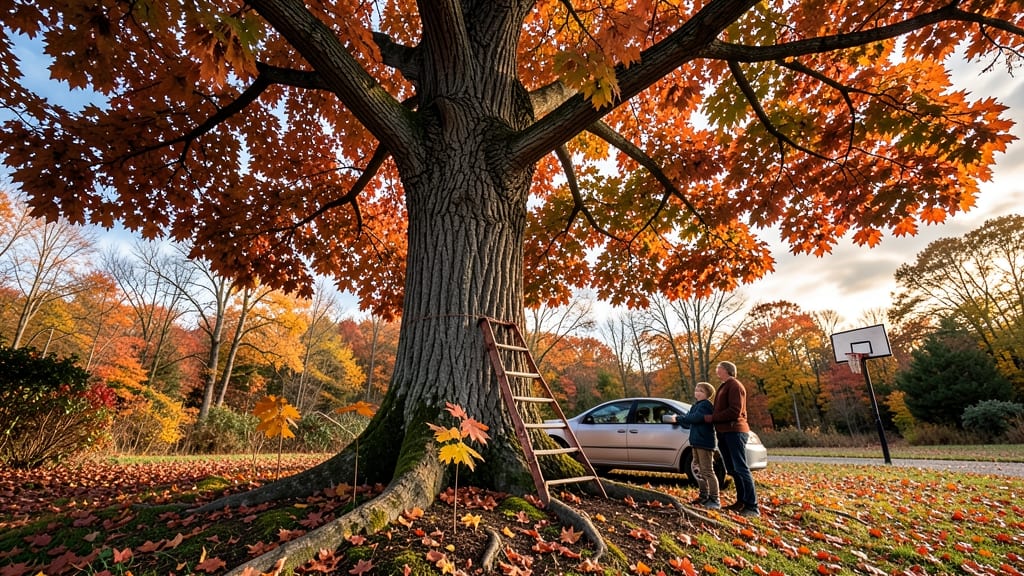
A maple tree can grow anywhere from 15 feet to over 120 feet tall, depending on the species and growing conditions — and that range might surprise you.
Picture this: a Japanese Maple 🌳 swaying at eye level in your garden, its delicate leaves glowing red in autumn, while a Sugar Maple in your neighbor’s yard stretches toward the sky like a skyscraper.
How do you pick the right one for your space? The answer lies in knowing each species’ growth habits and how to steer them toward your vision.
Some maples grow fast—like the Silver Maple, which can add 3 feet a year—while others, like the dwarf varieties, stay compact for decades. Soil, sunlight, and even your local climate play a role in whether your tree becomes a towering giant or a manageable shade provider.
In this guide, I’ll break down the fastest-growing species, space-saving dwarfs, and the key factors that shape your maple’s height—so you can plant with confidence, whether you’ve got acres or just a small yard.


Maple tree height by species: from dwarf varieties to towering giants
Choosing a maple tree for your yard means balancing stunning fall foliage with space constraints—some varieties reach 100 feet tall, while others stay under 15 feet. The species you pick determines not just height but also growth speed, leaf color, and cold hardiness.
Let’s compare the tallest maples to the best dwarf varieties so you can match your vision to your space.
Before planting, check your USDA hardiness zone and soil drainage. Most maples thrive in zones 3-9, but Japanese maples prefer milder climates (zones 5-8).
Poorly drained soil can stunt growth or cause root rot, especially in fast-growing species like Silver Maple. Always plant in well-amended soil with good airflow.