
Pruning
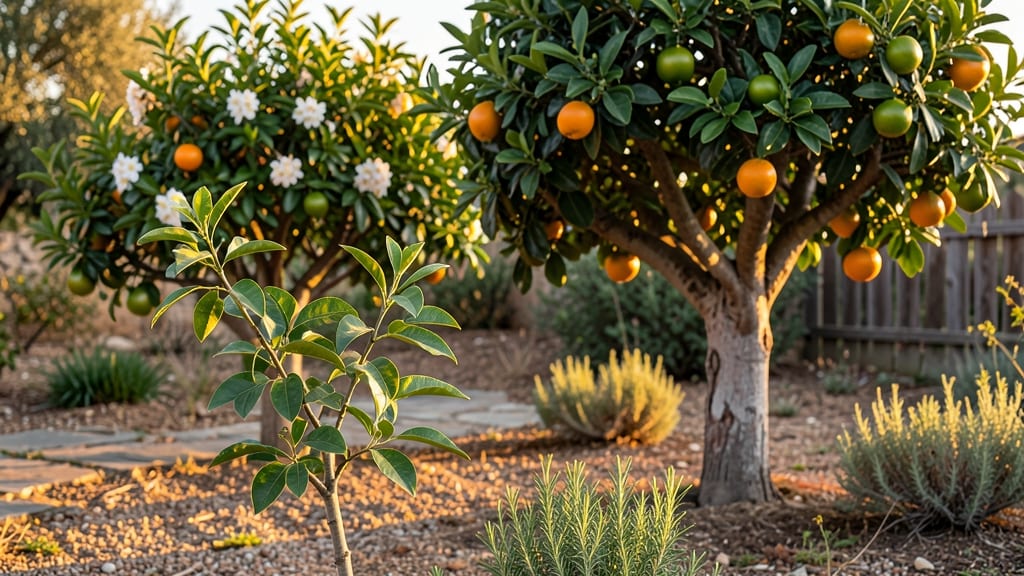
Understanding the orange tree growth stages 🍊 is the key to growing a thriving citrus tree that produces sweet, juicy fruit year after year.
Picture this: you plant a tiny seedling in spring, and by winter, you’re harvesting oranges—if you know exactly what to watch for at each step. Missing a critical milestone, like proper pruning or flowering cues, can delay fruit production by years.
This guide walks you through every phase, from root development to harvest-ready fruit, so you never guess again.
In the first year, your orange tree focuses on building roots and a sturdy trunk, while years two and three bring leafy growth and the first delicate blossoms. By year four or five, you’ll see fruit forming—but only if you’ve given it the right care at each stage.
I’ll break down the month-by-month changes, including leaf color shifts, flower clusters, and when to thin fruit for bigger oranges.
Ready to transform your backyard into an orange grove? Below, you’ll find visual cues, care tips for each stage, and the secrets to speeding up fruit production—no green thumb required.


Orange tree growth stages: year 1 to year 3 development timeline
Your orange tree’s first three years are all about building a strong foundation. During this time, you’ll see dramatic changes—from delicate seedlings to sturdy juvenile trees capable of their first blooms.
Understanding these orange tree growth stages helps you provide the right care at the right time, ensuring your tree grows healthy and productive.
The early years focus on root development, trunk thickening, and establishing a robust canopy. Each year brings new milestones: from the first true leaves in Year 1 to potential flowering in Year 3.
Paying attention to these visual cues helps you adjust watering, fertilizing, and pruning for optimal growth.
Here’s a detailed breakdown of what to expect each year, including key milestones for leaf patterns, trunk strength, and root expansion that signal your tree’s health.
| Stage | Key Milestones | Height Range | Care Focus |
|---|---|---|---|
| Year 1: Seedling |
|
2-4 ft | Watering, light pruning, nitrogen-rich fertilizer |
| Year 2: Juvenile Tree |
|
6-8 ft | Structural pruning, balanced fertilizer, pest monitoring |
| Year 3: Pre-Flowering |
|
10-15 ft | Phosphorus-rich fertilizer, prune for airflow, watch for pests |
In Year 1, your orange tree’s primary goal is establishing its root system. The first true leaves appear after the initial seed leaves fall off, signaling healthy photosynthesis.
Focus on keeping the soil consistently moist but well-draining—citrus roots hate soggy conditions. A 1/4-inch-thick trunk by year’s end means your tree is on the right track.
By Year 2, you’ll notice a shift in leaf color and texture. The leaves become darker green and glossy, a sign of maturity. This is also when your tree’s trunk starts to thicken significantly, providing structural support for future growth.
Prune lightly to encourage a strong branch structure, and introduce a balanced fertilizer to support rapid growth.
Year 3 is when excitement builds—your tree may produce its first flower buds, though they might not always set fruit. Look for small, white or pink clusters in spring.
If buds appear but drop off, it could signal stress from overwatering, underfeeding, or poor drainage. Adjust care immediately to support potential flowering in future years.
Monitor your tree’s leaf patterns closely. Yellowing or curling leaves often indicate nutrient deficiencies or pests. For example, magnesium deficiency causes yellowing between leaf veins, while aphids cluster on new growth. Address issues promptly to keep your tree thriving.
During these early years, avoid heavy pruning—focus on removing dead or crossing branches to improve airflow. Proper pruning now prevents disease and strengthens the tree’s framework. By Year 3, your orange tree should be a sturdy, healthy specimen ready for its first potential harvest in the following years.
Patience is key—most orange trees don’t bear fruit until Year 4 or 5, but the foundation you build in these first three years sets the stage for a productive, long-lived tree.
Keep an eye on those flower buds in Year 3—they’re your first sign that your hard work is paying off!
Key signs your orange tree is ready for fruit production (and when to expect oranges)
Your orange tree’s journey from sapling to fruit-bearing powerhouse is packed with exciting milestones—but spotting the right signs at the right time ensures you don’t miss the window for your first harvest.
Most citrus varieties like Valencia or Navel oranges take 3-5 years to bear fruit, but these key indicators will help you predict success months in advance.
First, focus on the leaf health and flowering patterns. A mature orange tree typically shows deep green, glossy leaves with a slight waxy coating—these are prime signs of vigor.
Meanwhile, the appearance of white, fragrant blossoms in clusters signals the tree’s readiness to set fruit, usually between spring and early summer in frost-free zones.
- Year 3: Tree reaches 8-12 ft tall; first flower clusters appear (don’t panic if they drop—this is normal!).
- Year 4: Leaves turn darker green and shinier; fruit sets (small green orbs) after pollination—expect 10-20% to mature.
- Year 5+: Full harvest potential—look for orange-colored skin (varies by variety) and easy detachment when ripe.
Climate plays a huge role in timing. In Zone 9b+, Valencia oranges often flower in late spring and ripen by winter, while Navels may bloom earlier but take 11-12 months to mature.
If you’re in a cooler microclimate, opt for dwarf varieties like Calamondin, which fruit faster and tolerate slight chill.
Watch for fruit set patterns: If your tree blooms but no fruit forms, it may need cross-pollination (plant a second variety nearby) or better nutrient balance. Thin excess fruit early—leaving 6-8 inches between oranges ensures larger, sweeter harvests. Overcrowded fruit strains the tree and reduces quality.
Pro tip: Bloom timing shifts yearly, so track your tree’s cycle. Mark the date of first flowers—this helps predict harvest windows. For example, if blossoms appear in May, expect fruit ready by next winter (180-240 days later). Adjust watering and fertilizing 3 months before flowering to support bud formation.
Finally, don’t overlook pest and disease watch. Aphids or citrus leaf miners can stress the tree and delay fruiting. Treat infestations immediately with neem oil or insecticidal soap. Healthy leaves and flowers mean better fruit production—so stay vigilant!
With patience and these maturity signals, you’ll know exactly when to expect your first homegrown oranges—and maybe even share them with neighbors before winter sets in! 🍊🌿