
Propagation
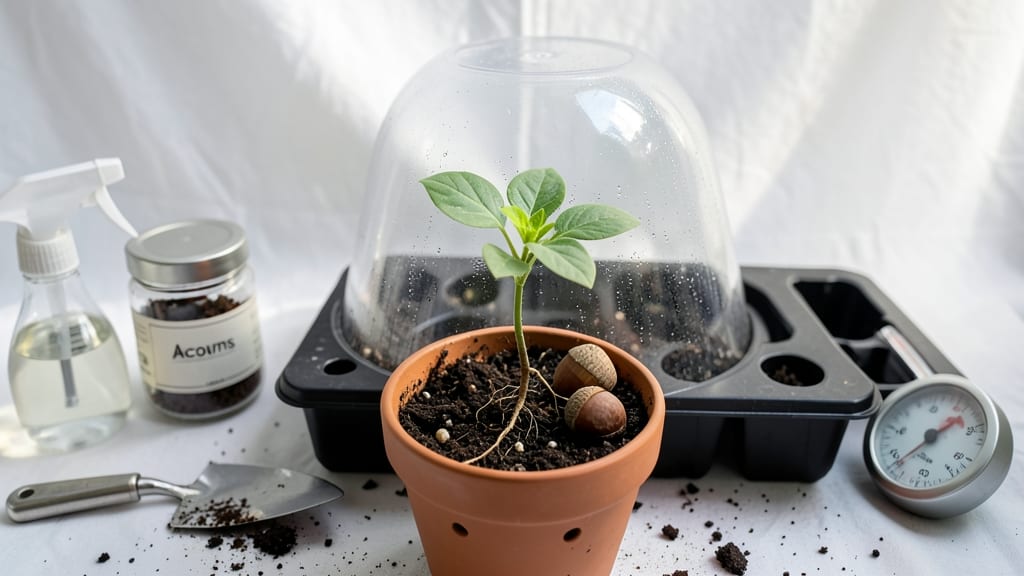
Mastering oak tree seed germination takes patience—but this cold stratification trick cuts the waiting time by half. 🌱 I’ve struggled with oak seeds sprouting erratically until I discovered the right balance of scarification and winter chilling.
The secret isn’t just waiting; it’s preparing the seed properly so nature does the heavy lifting for you.
Start with fresh acorns (or seeds) from mature oaks—6-12 months old is ideal. You’ll need a moist paper towel, a plastic bag, and a freezer for the 3-month cold treatment that mimics winter.
Skip this step, and you’ll be waiting years for germination. The process tricks the seed into thinking it’s time to grow, not just sleep.
After stratification, plant 1 inch deep in well-draining soil, keeping it consistently moist but never soggy. Germination can take 4-12 weeks, but once those first leaves appear, you’ll know you’ve done it right.
The seedlings grow slowly at first, but with the right care, they’ll develop into sturdy young oaks.
This method works for red, white, or pin oak varieties—just adjust the stratification time slightly based on your climate. The key is consistency: moisture, patience, and that critical cold period. Once you master it, you’ll have reliable sprouts year after year.
📚 In This Guide
- What you need
- Instructions
- Tips and common mistakes
- Wrapping up and next steps
What you need
- ● Oak acorns (fresh or stored): 10–20 acorns (ensure they’re plump and free of cracks or mold).
- ● Cold stratification medium: Option 1: Wet sand or perlite (sterilized, 2–3 parts sand to 1 part water).
- ● Option 2: Peat moss or coconut coir (moistened, not soggy).
- ● Sealed plastic bag or container: Large enough to hold acorns + medium (e.g., gallon-sized Ziploc or a ventilated box).
- ● Refrigerator or cold frame: Temperature range of 35–45°F (2–7°C) for 6–12 weeks.
- ● Planting pots or trays: 4–6 inch pots with drainage holes (or biodegradable peat pots).
- ● Well-draining potting mix: 50% peat moss, 30% perlite, 20% vermiculite (or a seed-starting blend).
- ● Spray bottle or watering can: For gentle moisture control.
- ● Labeling tags: To track stratification dates and acorn varieties.
- ○ Heating mat (optional): For post-stratification warmth (70–75°F / 21–24°C) to speed germination.
- ● Humidity dome or plastic wrap: To retain moisture during germination.
- ○ pH testing kit (optional): Ideal soil pH: 5.5–6.5 for oak seeds.
- ○ Fungicide (optional): Light application to prevent mold (e.g., hydrogen peroxide spray).
Step-by-Step instructions for germinating oak tree seeds
Here’s how I’ve successfully sprouted oak seeds using cold stratification—the proven method for breaking dormancy.
🌱 Step 1: Collect and Prepare the Acorns
Harvest mature acorns in late fall when they’ve fallen naturally, as these have the highest viability. Look for plump, heavy seeds with intact caps—avoid any that show cracks or signs of pest damage. I like to soak them in a 10% bleach solution for 10 minutes to sterilize the outer shell, then rinse thoroughly under running water. This prevents mold before stratification begins.
After rinsing, let the acorns dry completely on a paper towel for 24 hours in a well-ventilated area. The shells should feel dry to the touch but not brittle. Store them in a sealed container with a damp paper towel until you’re ready to stratify. This keeps them moist without rotting.
❄️ Step 2: Cold Stratify for Dormancy Break
Place the acorns in a plastic bag with a moistened but not soggy peat moss or vermiculite mix. Seal the bag loosely—just enough to trap moisture but allow airflow. I like to use a ziplock bag with a few small holes poked in the top. Store the bag in your refrigerator’s crisp drawer (34-40°F) for 90-120 days.
Check the acorns every 3-4 weeks—they should feel damp but not mushy. If mold appears, discard the batch and start fresh. The cold mimics winter conditions, which triggers germination hormones. Real talk: Patience is key here. Some acorns germinate in 60 days, others take 150 days—don’t rush it.
🌿 Step 3: Plant Stratified Acorns in Germination Medium
After stratification, remove the acorns and plant them 1 inch deep in a sterile seed-starting mix or a 50/50 blend of perlite and peat moss. Use individual pots or a shallow tray—oak seedlings don’t like being crowded. I label each pot with the date and variety if known, since germination timing varies.
Keep the soil consistently moist but never waterlogged. A spray bottle works best to avoid disturbing the seeds. Place the pots in a warm (65-75°F), bright location—just not direct sunlight yet. You’ll see the first signs of germination in 2-4 weeks as tiny white roots emerge, followed by a small shoot.
☀️ Step 4: Provide Light and Care for Young Seedlings
Once the first true leaves appear (not the initial seed leaves), move the seedlings to a sunny windowsill or under grow lights for 12-14 hours of light daily. Oak seedlings grow slowly, so don’t expect rapid progress. I fertilize lightly with a diluted fish emulsion (5-5-5) every 4-6 weeks to support steady growth.
Watch for leggy growth—a sign of insufficient light. If stems stretch toward the window, raise the seedlings closer to the light source or adjust your grow light setup. Keep the soil lightly moist; oak seedlings are prone to damping-off if overwatered. Thin seedlings to 6 inches apart once they reach 3-4 inches tall to prevent competition.
🪴 Step 5: Transplant to Outdoor Nursery Beds
After the last frost date, harden off seedlings by placing them outdoors in a shaded, sheltered spot for 1-2 hours daily, gradually increasing exposure over 10-14 days. Oak seedlings are tough but benefit from this slow transition. Transplant them into a nursery bed with well-draining soil, spacing them 12-18 inches apart.
Mulch around the base with 2-3 inches of wood chips to retain moisture and suppress weeds. Oak trees have deep roots, so avoid disturbing them during the first growing season. With proper care, your seedlings will establish strong root systems and grow into mighty oaks in just a few years.
Tips & tricks for reliable oak seed germination
Cold stratification isn't just a process—it's an art that requires patience and precision. These insights will help you maximize your success rate with oak tree seeds.
Acorn Selection Matters: When harvesting acorns in Step 1, focus on those with intact caps and no visible cracks. The bleach soak for 10 minutes is crucial—it sterilizes without damaging the seed. I've found that acorns from mature trees (at least 30 years old) have higher viability. After the 24-hour drying period, test a few by gently squeezing: they should feel firm but not hollow. Discard any that crush easily or have soft spots.
Stratification Environment: The 34-40°F temperature range in Step 2 is non-negotiable for breaking dormancy. I use a refrigerator's crisp drawer because it maintains consistent humidity while allowing airflow through the bag's holes. For larger batches, consider using a seed stratification chamber if available—these provide more precise temperature control. The 90-120 day window accounts for natural variations; some acorns need the full time, while others may germinate earlier. Here's the thing: if you check too frequently, you risk disturbing the moisture balance.
Germination Medium Insight: In Step 3, the 1-inch planting depth is ideal because it mimics natural soil conditions while keeping the seed accessible to moisture. I've had success using a 50/50 perlite-peat mix because it provides both aeration and water retention. Pro tip: Add a small amount of mycorrhizal fungi to your planting mix—this beneficial soil organism forms symbiotic relationships with oak roots, boosting early growth. The 65-75°F range is critical; warmer temperatures speed up germination but can lead to damping-off if humidity isn't controlled.
Light Management: Once seedlings emerge in Step 4, the 12-14 hours of light should be indirect initially. I use a combination of southern window exposure and a simple LED grow light on a timer. Oak seedlings are particularly sensitive to light stress—if you notice purplish stems, it's a sign of insufficient light. The 4-6 week fertilization schedule with diluted fish emulsion provides essential nutrients without overwhelming the young roots. Remember: these trees grow slowly but steadily; rushing the process often leads to leggy, weak seedlings.
Pro Tips for Oak Tree Seed Germination
- Cold stratification isn't just a process—it's an art that requires patience and precision.
- Acorn Selection Matters: When harvesting acorns in Step 1, focus on those with intact caps and no visible cracks.
- Stratification Environment: The 34-40°F temperature range in Step 2 is non-negotiable for breaking dormancy.
Frequently asked questions
Got questions about germinating oak tree seeds?
You’re not alone—oak seed germination can feel tricky! Below, we’ve answered the most common questions to help you avoid pitfalls and boost your success rate. Let’s dive in!
How long does cold stratification take for oak seeds?
Cold stratification typically requires 3 to 6 months for oak seeds, depending on the species. White oaks (like bur oak) often need the full 6 months, while red oaks (like pin oak) may germinate faster with 3 months. Store seeds in a moist, chilled environment (like a fridge) in a sealed container with perlite or sand.
Can I speed up oak seed germination?
While you can’t skip cold stratification, you can optimize the process! Use pre-moistened paper towels or a damp paper towel method to kickstart hydration before stratification. Some gardeners also soak seeds in lukewarm water for 24 hours to soften the hard outer shell. Patience is key—rushing can reduce viability!
What’s the best soil mix for germinating oak seeds?
A lightweight, well-draining mix works best. Combine 50% peat moss or coconut coir with 50% perlite or coarse sand to prevent rot. Avoid heavy garden soil—oak seeds need airflow and moisture control. Sterilize the mix by baking it at 200°F (93°C) for 30 minutes to kill pathogens.
Why aren’t my oak seeds sprouting after stratification?
No sprouts? Check these common culprits:
- Insufficient stratification time: Give red oaks 3 months, white oaks 6+.
- Poor moisture levels: Keep soil consistently damp (not soggy).
- Temperature swings: Ideal germination temps are 60–70°F (15–21°C).
- Seed viability: Oak seeds lose potency over time—use fresh seeds (<1 year old).
Can I grow an oak tree from a seed I found in my yard?
Wild-collected oak seeds are 100% viable if they’re fresh (acorns from the same year are best). Just ensure they’re from a healthy tree—avoid seeds with holes (pest damage) or mold. Pro tip: Clean acorns by soaking them in water for 24 hours to remove tannins before stratification.
Wrapping up and next steps
Germinating oak tree seeds with cold stratification isn’t just a science—it’s an art of patience and care that rewards you with majestic, long-lived trees. By mimicking nature’s timing with a simple mix of moisture, chilling, and warmth, you’ve unlocked the secret to reliable sprouts.
Now that you’re armed with the right techniques, your backyard could soon be home to a future giant!
🌱 Next Steps: Plant & Watch Grow!
Ready to take the plunge? Start by planting your stratified seeds in well-draining soil and give them the time they need. Monitor their progress, adjust conditions as needed, and soon, you’ll be nurturing a sapling that could outlive generations. Happy growing!