
Pruning
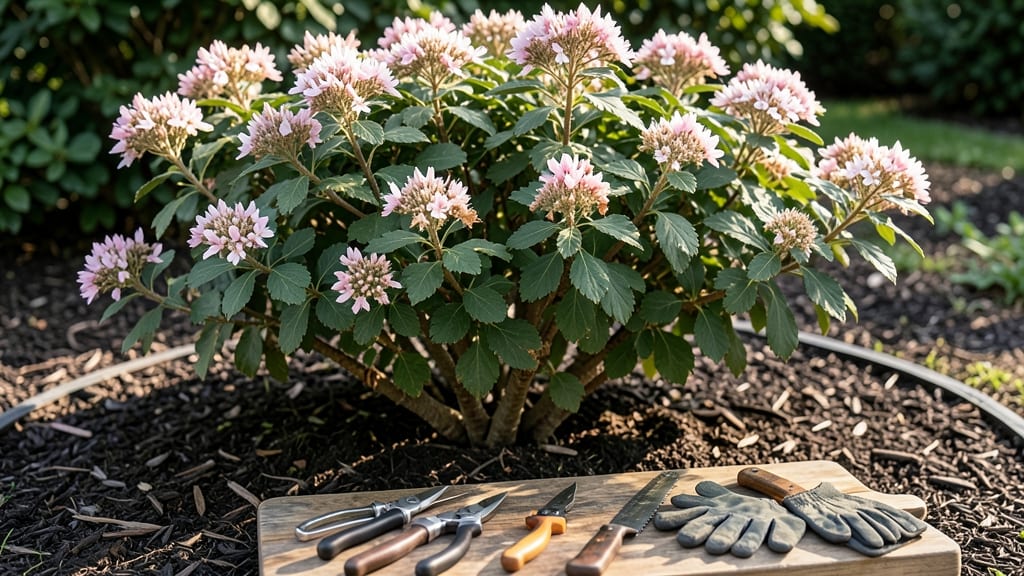
Ninebark tree pruning transforms your shrub from scraggly to showstopping in just three seasons—and the best part is, you don’t need fancy tools or a green thumb. 🌿 I’ve pruned mine every year since planting, and the difference in blooms and foliage color is night-and-day. The key?
Timing, technique, and a little patience to let those peeling bark layers shine. Spring is your prime time to shape the shrub, while late winter gives you a clean slate for rejuvenation. Summer’s light trimming keeps it tidy, and fall’s minimal cuts prevent winter damage.
Most gardeners over-prune, which stresses the plant—we’re aiming for bushier blooms, not a manicured hedge. My ninebark now bursts with pink and white flowers from May to July, thanks to strategic cuts.
You’ll end up with a fuller, healthier shrub that handles pests better and puts on new growth where you want it. The peeling bark becomes even more dramatic as the seasons change, and those vibrant fall colors pop like fireworks.
This method works for both young plants and mature shrubs—just adjust the intensity. Works for all ninebark varieties, from ‘Little Devil’ to ‘Diablo’, and fits any landscape style. Let’s get those shears ready!
📚 In This Guide
- What you need
- Instructions
- Tips and common mistakes
- Wrapping up and next steps
What you need
- ● Pruning shears (bypass or anvil type) – Choose sharp, high-quality shears (4-6" blades) for clean cuts. Disinfect with rubbing alcohol between cuts to prevent disease.
- ● Loppers (for thicker branches) – Opt for bypass loppers (8-10" blades) for branches ½"–2" in diameter.
- ● Pruning saw (for stubborn branches) – A curved-tooth pruning saw works best for branches 2"+ in diameter.
- ● Gloves (heavy-duty gardening gloves) – Protect your hands from thorns and rough bark.
- ● Disinfectant (rubbing alcohol or 10% bleach solution) – Prevents bacterial/fungal spread between cuts.
- ● Garden twine or zip ties – For securing large branches post-pruning if needed.
- ● Ladder (if tree is tall) – A stable, extendable ladder (6–10 ft) with non-slip feet.
- ● Trash bags or bucket – For collecting pruned branches and debris.
- ● Hand pruners with a crimping tool – For sealing larger cuts (reduces sap oozing).
- ● Tree wound dressing – Controversial but useful for large cuts (e.g., Tanglefoot Tree Wound Pruning Seal).
- ● Pole saw (for high branches) – Extends reach without a ladder.
- ● Work boots or closed-toe shoes – Protects feet from dropped branches.
- ● Safety glasses – Shields eyes from debris.
- ● Notebook & pen – To sketch pruning plans or track growth.
Instructions for pruning ninebark trees for optimal growth
Here's my seasonal approach to pruning ninebark—timed to maximize blooms, shape, and long-term health.
✂️ Step 1: Late Winter Cleanup (Before Bud Break)
Start pruning in late winter, just as buds swell but before leaves emerge. This is your chance to remove dead, diseased, or crossing branches that mar the plant's structure. I always begin with the 3-D cut method—cutting back to a healthy lateral branch at a 45-degree angle just above an outward-facing bud.
Remove any branches that are thinner than a pencil or show signs of dieback—these won't recover. Thin out crowded stems to improve airflow, which prevents fungal issues. Remember, ninebark blooms on old wood, so avoid heavy pruning now—just clean up what's necessary. You'll know you're doing it right when the center of the shrub opens up and light can penetrate.
🌿 Step 2: Post-Bloom Structural Pruning (Early Summer)
After flowers fade in early summer, focus on shaping and rejuvenation. This is when I step back and evaluate the plant's form. Remove any remaining deadwood first, then cut back about 1/3 of the oldest stems to the ground. These stems have served their purpose and will regenerate from the base, producing fresh growth.
For branches that need length control, trim back to just above a leaf node or bud. Avoid cutting into the peeling bark—ninebark's signature exfoliating bark is a sign of health. If you see any suckers at the base, remove them immediately. They drain energy from the main plant. After pruning, water deeply to help the plant recover from the stress.
✂️ Step 3: Light Maintenance Pruning (Late Summer to Early Fall)
In late summer or early fall, do a final light pruning to tidy up the plant. This is more about aesthetics than health—removing any branches that spoil the shape or grow inward. I also trim back any overly vigorous shoots that are growing faster than the rest of the plant. These shoots often become leggy and weak.
Use sharp, clean pruners to make cuts at a 45-degree angle, about 1/4 inch above a bud. This encourages new growth in the right direction. Avoid heavy pruning now—you don't want to stimulate new growth that won't have time to harden off before winter. The goal is to leave the plant looking neat and balanced for the season's end.
⏰ Step 4: Winter Preparation (Late Fall)
In late fall, after the first hard frost, do a final check for any remaining dead or damaged branches. Remove them to prevent disease or pests from overwintering in the plant. This is also the time to clean up any fallen leaves or debris around the base of the shrub—ninebark can be prone to fungal issues if left in damp conditions.
I like to apply a 2-3 inch layer of mulch around the base, keeping it clear of the trunk. This protects the roots from extreme cold and retains moisture. Avoid piling mulch against the trunk—this can cause rot. If you notice any branches that were damaged by winter storms or ice, prune them back to healthy wood in late winter. The plant will thank you with vigorous new growth in spring.
Tips & tricks for perfect ninebark tree pruning
Mastering the art of pruning ninebark transforms it from a simple shrub into a showstopper—here's how to avoid common pitfalls and elevate your results.
Timing is Everything: The late winter timing in Step 1 is critical because it lets you prune while the plant is dormant, preventing stress that could delay spring growth. I've learned this the hard way—pruning too early in winter can expose fresh cuts to harsh winds, while waiting too long risks encouraging new growth that might get damaged by late frosts. Watch for those swollen buds as your cue; they signal the plant is waking up but hasn't yet sent energy to new leaves.
Precision Cutting Technique: When making those 45-degree cuts in Steps 1 and 3, think of it like writing with a pencil—your cut should slope away from the bud you're targeting. This creates a natural water runoff path that prevents rot. I always test my pruners first by making a few practice cuts on a scrap piece of wood; dull blades tear rather than cleanly cut, which can damage the plant's tissue and invite disease. Remember, the goal is to expose the maximum surface area of that outward-facing bud to sunlight.
Strategic Stem Selection: In Step 2, when you're cutting back 1/3 of the oldest stems, focus on the thickest, most established branches first. These stems have already served their purpose—producing last year's blooms and structure. By removing them completely, you're making room for younger, more vigorous growth to emerge from the base. This technique rejuvenates the plant while maintaining that beautiful layered look ninebark is known for.
Seasonal Maintenance Mindset: The light pruning in late summer (Step 3) is where you really refine your plant's shape. Think of it as giving your ninebark a seasonal haircut—just enough to keep it looking polished without stimulating new growth that might not have time to mature before winter. I always do this on a dry day when the plant is well-watered; the leaves will be more pliable, making it easier to see the underlying structure you're working with.
Pro Tips for Ninebark Tree Pruning
- Mastering the art of pruning ninebark transforms it from a simple shrub into a showstopper—here's how to avoid common pitfalls and elevate your results.
- Timing is Everything: The late winter timing in Step 1 is critical because it lets you prune while the plant is dormant, preventing stress that could delay spring growth.
- Precision Cutting Technique: When making those 45-degree cuts in Steps 1 and 3, think of it like writing with a pencil—your cut should slope away from the bud you're targeting.
Frequently asked questions
Got questions about keeping your ninebark tree looking its best? Here are some of the most common concerns—and their answers—to help you prune like a pro!
When is the best time to prune a ninebark tree?
The ideal window is late winter or early spring (just before new growth starts), but you can also prune lightly after flowering to shape the plant. Avoid heavy pruning in fall—it can stimulate tender growth that won’t survive winter. Pro tip: If you missed the spring window, a light trim in summer is better than nothing!
How much can I cut back my ninebark tree?
Ninebark is tough and resilient, so you can remove up to one-third of the plant in a single pruning without harming it. For rejuvenation, cut back older stems to the ground—new growth will sprout from the base! Just avoid over-pruning in one season to prevent stress. Pro tip: Younger plants benefit from annual pruning to encourage bushiness.
Why does my ninebark tree have dead or dying branches?
Dead branches (often brown, brittle, or hollow) are usually a sign of old age, disease, or winter damage. Always remove them—cut back to a healthy bud or branch collar. If you notice yellowing leaves or fungal spots, prune affected areas immediately and improve airflow. Pro tip: Sterilize your pruners with rubbing alcohol to prevent spreading disease!
Can I prune ninebark in summer?
Yes, but keep it light! Summer pruning is best for shaping, removing spent flowers, or trimming leggy growth. Avoid heavy cuts—it can stress the plant and reduce next year’s blooms. If you prune in summer, do it early (June) to allow time for recovery before fall. Pro tip: Water deeply after summer pruning to help the tree recover.
What if I don’t prune my ninebark at all?
Ninebark is low-maintenance and will survive without pruning, but it may become woody, leggy, or overcrowded over time. Unpruned plants also produce fewer flowers and may develop weak branches. A little annual trimming keeps it compact, healthy, and blooming beautifully! Pro tip: Even a 10-minute trim once a year makes a huge difference.
How do I encourage more blooms on my ninebark?
To boost flowers, prune right after blooming (late spring) to remove spent stems and encourage new growth. Avoid cutting back current season’s blooms—they’re on last year’s wood! Also, ensure your ninebark gets full sun (6+ hours/day) and well-draining soil. Pro tip: Fertilize lightly in early spring with a balanced, slow-release fertilizer for extra vigor!
Wrapping up and next steps
Pruning your ninebark tree doesn’t have to be daunting—just follow the seasonal rhythm to keep it healthy, vibrant, and full of blooms! 🌿 Whether you’re shaping it for the first time or refining your routine, consistency is key.
Start with the basics, stay mindful of timing, and don’t forget to reward your efforts with a well-manicured, thriving shrub.
Ready to give your ninebark the TLC it deserves? Grab your pruners and schedule that first trim—your future blooms will thank you! 🌸