
Pruning
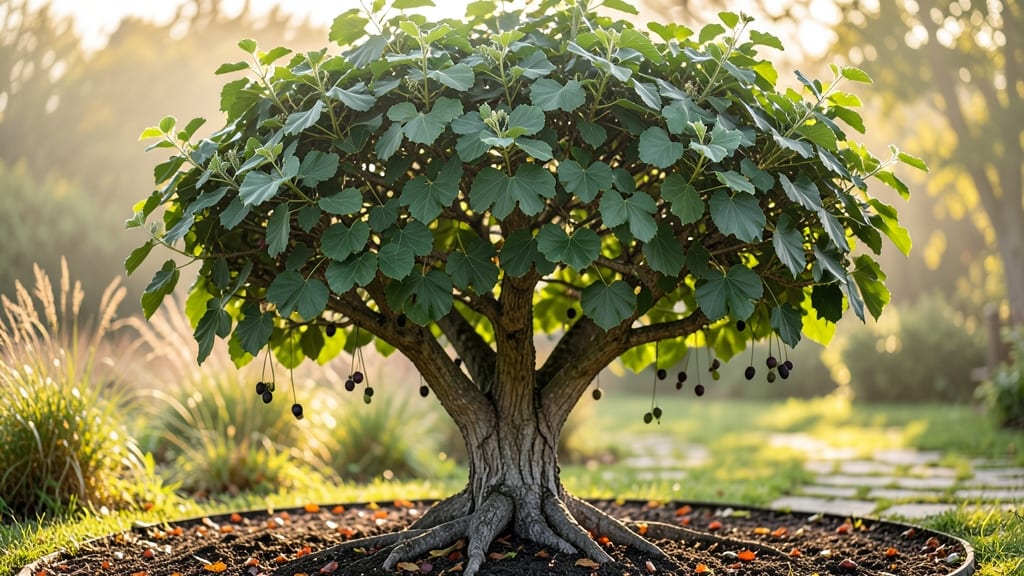
A mulberry tree in your front yard can be a privacy powerhouse that needs less pruning than you’d expect. 🌿 I’ve watched mine transform from a scraggly sapling to a lush, berry-laden screen—without the constant upkeep of other fast-growing trees.
The key? Strategic placement and a few simple design tricks that make it look intentional, not wild.
Start by planting it where it can cast shade on your home’s south or west side—15-20 feet from the house for airflow and root space. Mulberries thrive in full sun but hate soggy soil, so pair it with drought-tolerant perennials like lavender or ornamental grasses to soften the base.
A 3-foot-wide border of boxwoods keeps the look neat while letting the tree’s natural shape shine.
By summer, you’ll have year-round interest: glossy leaves in spring, purple-black berries in late summer (a bird magnet!), and fiery fall foliage. The tree’s airy branches let light filter through, so it never feels oppressive—just a living privacy screen that’s easier to maintain than a fence.
Plus, the berries are edible (if squirrels don’t get to them first).
For a polished look, add climbing roses or clematis to the trunk’s lower branches—they’ll intertwine naturally without needing pruning. Whether your style is cottage, modern, or formal, a mulberry fits. Here’s how to make it work in your space without the mess.
📚 In This Guide
- What you need
- Instructions
- Tips and common mistakes
- Wrapping up and next steps
What you need
- ● Mulberry tree saplings: 3–5 (depending on desired spacing; 6–10 ft apart for full coverage). Choose disease-resistant varieties like Morus alba or Morus nigra.
- ● Shovel: 1 medium-sized (for digging holes 1.5x wider than root balls).
- ● Garden gloves: 1 pair (to protect hands from thorns and soil).
- ● Pruning shears: 1 pair (bypass pruners for clean cuts; sharpness is key!).
- ● Mulch: 2–3 bags (3–4 inches of organic mulch like wood chips or pine straw to retain moisture).
- ● Watering can or hose: 1 (with a gentle spray nozzle for young trees).
- ● Stakes & twine: 3–5 stakes (for support if planting in windy areas).
- ● Soil amendment: 1 bag of compost or aged manure (to enrich planting holes).
- ● Tree guard: 1–2 (to protect young trunks from pests or lawnmowers).
- ● Drip irrigation kit: 1 (for automated watering; saves time and effort!).
- ● Fertilizer: Slow-release granular fertilizer (apply once in early spring).
- ● Landscape fabric: 1 roll (to suppress weeds around the base).
- ○ Decorative rocks: Optional for a polished, low-maintenance look.
Instructions for planting mulberry trees as a low-maintenance privacy screen
Here's how to create a lush, natural privacy barrier that grows with minimal fuss.
🌱 Step 1: Choose and Prepare Planting Sites
Select a sunny to partially shaded location with well-draining soil—mulberry trees thrive where they get at least 6 hours of sunlight daily. Space 4 trees 15-20 feet apart for a full privacy screen by maturity. Dig holes twice as wide and just as deep as the root ball to encourage root spread.
Amend the soil with 2-3 inches of compost mixed into the bottom of each hole. Mulberries tolerate poor soil but grow faster with organic matter. Avoid planting near sidewalks or driveways—roots spread aggressively and can crack concrete over time.
🪴 Step 2: Plant Trees Properly for Strong Growth
Place each tree in its hole so the top of the root ball sits 1-2 inches above ground level. This prevents root rot from sitting water. Gently remove the tree from its container and loosen any circling roots with your fingers—this helps them establish outward instead of growing in circles.
Backfill with native soil, tamping lightly every 6 inches to remove air pockets. Water deeply until the soil is evenly moist to a depth of 12 inches. You'll see the soil settle slightly—this confirms good root contact. Avoid fertilizing at planting; mulberries establish better without early nutrient competition.
☀️ Step 3: Establish Mulch and Watering Routine
Spread 3-4 inches of wood chips or shredded bark in a 3-foot diameter circle around each tree, keeping mulch 6 inches away from the trunk. This conserves moisture, suppresses weeds, and regulates soil temperature. Replenish mulch annually as it decomposes.
Water deeply once a week for the first two months, wetting soil to 12 inches deep. After that, water only when the top 4-6 inches of soil feels dry to the touch. Mulberries are drought-tolerant once established, but consistent moisture helps young trees grow faster. You'll notice new leaves emerging within 4-6 weeks—that's your sign the roots are settling in.
✂️ Step 4: Prune Strategically for Natural Shape
Wait until spring before pruning—mulberries grow best when left alone in their first year. Remove only dead, crossing, or low-growing branches with clean cuts just above outward-facing buds. Never "top" the tree by cutting the main trunk—this creates weak regrowth and attracts pests.
After the first year, prune only to open the canopy for better airflow. Thin out 20-30% of the smallest branches each year to encourage stronger growth. You'll see the tree naturally fill in gaps over time with minimal intervention. Mulberries produce berries on new wood, so avoid heavy pruning in late summer.
🌿 Step 5: Maintain Long-Term Health
Apply a 2-inch layer of fresh mulch every spring to maintain soil moisture and suppress weeds. Mulberries rarely need fertilizer, but if growth slows after 3 years, apply a balanced 10-10-10 fertilizer in early spring. Water deeply after fertilizing to help nutrients reach the roots.
Watch for aphids or scale insects on new growth—spray with neem oil if you see sticky residue on leaves. Mulberries are generally pest-resistant, but stressed trees attract problems. By year 3, your screen will block 90% of visibility while requiring almost no pruning beyond occasional cleanup.
Tips & tricks for perfect mulberry tree front yard privacy screens
Between us, these little details make all the difference when planting mulberry trees for a natural privacy barrier.
Sunlight Secret: Mulberries need that 6 hours of sunlight daily—but here's the thing: morning sun is ideal. If your yard gets intense afternoon sun, consider spacing trees slightly wider (20-25 feet apart) to prevent stress from heat exposure. You'll notice faster growth and fewer leaf scorch issues when they get gentle morning rays.
Root Ball Technique: When planting, that 1-2 inch elevation above ground level is critical—it prevents root rot by keeping the trunk dry. I've seen too many new gardeners bury the root ball too deep, which suffocates the tree. After planting, gently press the soil around the edges to create a slight well—this helps water pool where the roots need it most.
Watering Wisdom: Those first two months of weekly deep watering are non-negotiable. I like to use a soaker hose for this because it delivers water directly to the roots without wetting the leaves (which can promote fungal issues). After the initial period, let the top 4-6 inches of soil dry out between waterings—mulberries actually thrive with less frequent, deeper watering once established.
Pruning Pro Tip: When you do prune in spring, focus on removing branches that grow toward the center of the tree. These "crossing branches" compete for sunlight and nutrients, weakening the tree. I always prune just above an outward-facing bud—this encourages new growth in the right direction and keeps your privacy screen dense and full.
Pro Tips for Mulberry Tree Front Yard
- Between us, these little details make all the difference when planting mulberry trees for a natural privacy barrier.
- Sunlight Secret: Mulberries need that 6 hours of sunlight daily—but here's the thing: morning sun is ideal.
- Root Ball Technique: When planting, that 1-2 inch elevation above ground level is critical—it prevents root rot by keeping the trunk dry.
Frequently asked questions
Got questions about adding a mulberry tree to your front yard? You’re not alone! Here are some of the most common concerns—and straightforward answers—to help you plan with confidence.
How fast does a mulberry tree grow, and when will it provide privacy?
A mulberry tree grows surprisingly fast—expect 3 to 5 feet per year under ideal conditions. With proper care, a young sapling can reach 10–15 feet in just 3–5 years, offering a dense privacy screen in no time. Dwarf varieties (like Morus microphylla) grow slower but stay compact, perfect for smaller yards.
Do mulberry trees attract pests or fruit that stains sidewalks?
Yes, mulberries are juicy and tempting—to birds, squirrels, and even deer! The fruit can also stain driveways and sidewalks if not cleaned promptly. To minimize mess, plant your tree 10+ feet from walkways and consider mulch or gravel underneath. If pests are a concern, opt for thornless varieties, though they’re less common.
How often should I prune a mulberry tree for privacy?
Mulberry trees are low-maintenance—prune once a year in late winter or early spring to shape the tree and remove dead branches. For a dense privacy screen, focus on thinning out crowded branches to improve airflow. Avoid heavy pruning in summer, as it can stress the tree. No shearing needed!
Can I plant a mulberry tree in a small front yard?
While standard mulberries can grow 20–30 feet tall, dwarf varieties (like Morus notabilis) stay 10–15 feet tall and work perfectly for tight spaces. Just ensure it has 6–8 feet of clearance from structures, power lines, and neighboring properties. Container growing is also an option for urban front yards!
Are mulberries edible, and will my neighbors complain about the fruit?
Yes, mulberries are delicious and nutritious—rich in antioxidants and vitamin C! However, they’re a magnet for wildlife (and kids!). If you’re worried about fruit litter, harvest regularly or plant a thorny variety to deter foragers. A friendly note to neighbors can also prevent misunderstandings—most appreciate the shade and beauty!
Wrapping up and next steps
A mulberry tree in your front yard isn’t just a stunning privacy screen—it’s a low-maintenance, fast-growing powerhouse that adds value and beauty to your home. 🌿 With minimal pruning, it thrives while offering shade, fruit, and year-round appeal.
Whether you’re a beginner or a seasoned gardener, this tree is the perfect blend of practicality and elegance.
Ready to transform your space? Start by choosing the right variety and follow the simple pruning tips shared here. Before you know it, you’ll have a lush, thriving mulberry tree that keeps your yard private—and your neighbors green with envy!