
How To
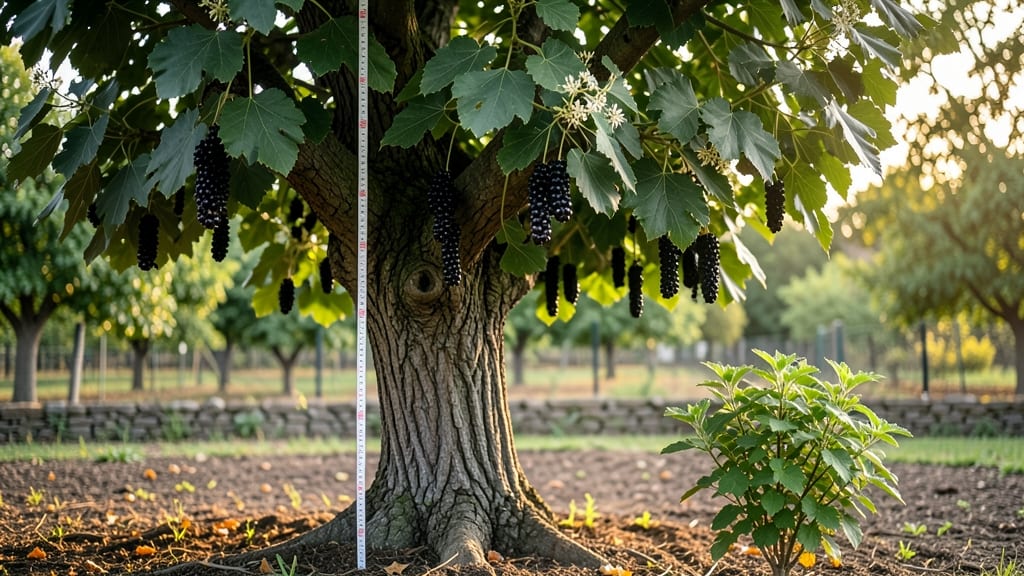
A mulberry tree can grow anywhere from 20 to 60 feet tall depending on the variety and growing conditions, making it a statement piece for any landscape—but that height comes with planning.
Picture this: a towering 🌳 mulberry tree casting shade over your backyard, its branches heavy with sweet fruit. But before you plant, you’ll need to know how fast it grows and how to manage its size, especially if space is limited.
Some mulberry varieties, like the white mulberry, can reach 50 feet or more without pruning, while dwarf types stay under 15 feet. The difference isn’t just in aesthetics—it impacts where you plant, how you prune, and even whether your neighbors will love (or resent) your tree.
In this guide, I’ll break down the height ranges by variety, share pruning tips to keep your mulberry tree in check, and help you decide which type fits your space—whether you’re dreaming of a giant shade tree or a compact urban fruit producer.


Mulberry tree height by variety: from dwarf to giant species
When planning your garden, knowing how tall a mulberry tree grows is crucial—especially since some varieties can tower over your home! The Morus species range from compact dwarfs to towering giants, with mature heights spanning 15 to 60 feet.
Your choice of variety will determine whether you’ll need to prune aggressively or simply enjoy the shade from a naturally smaller tree.
Mulberry trees thrive in USDA Zones 5-9, but their height potential varies dramatically. For example, the black mulberry (Morus nigra) can reach 50-60 feet in ideal conditions, while the dwarf mulberry (Morus microphylla) stays under 15 feet.
Understanding these differences helps you select the perfect tree for your space, whether it’s a backyard orchard or a small urban patio.
Below is a quick comparison of popular mulberry varieties and their mature heights, so you can make an informed decision before planting. Each variety also has unique care requirements, such as pruning needs and climate preferences, which we’ll explore further.
The black mulberry (Morus nigra) is the tallest variety, often reaching 50–60 feet in ideal conditions, making it perfect for large properties or rural settings.
Its rapid growth rate means you’ll see significant height gains in just a few years, but this also means regular pruning is essential to manage its size. If you’re in a warmer climate (Zones 7–9), this variety thrives and produces large, sweet berries that attract wildlife.
On the other hand, the dwarf mulberry (Morus microphylla) is ideal for small spaces like balconies or urban gardens. It tops out at 10–15 feet, making it manageable even in containers.
This variety grows slowly, so you won’t need to prune aggressively, but it still produces edible berries perfect for small-scale harvesting. If you’re in Zones 7–10, this is one of the best choices for low-maintenance fruit trees.
For those in colder climates (Zones 5–6), the red mulberry (Morus rubra) is a fantastic option. It reaches 40–50 feet but is more cold-hardy than other varieties.
Its bright red fruit is a favorite among birds and humans alike, and the tree’s moderate growth rate makes it easier to control with annual pruning. If you’re looking for a native tree that supports local ecosystems, this is an excellent pick.
If you’re torn between height and fruit production, consider the Illinois Everbearing mulberry, a semi-dwarf variety that stays around
How pruning affects mulberry tree height: techniques for size control
Pruning is your best tool to manage a mulberry tree's natural height and shape. Without proper pruning, standard varieties like Morus alba can soar to 40-60 feet, overshadowing your entire yard.
But with strategic cuts, you can keep your tree at a manageable 10-15 feet while still enjoying abundant fruit. The key lies in understanding when and how to prune.
Timing matters most—prune during late winter or early spring while the tree is dormant. This prevents stress during active growth periods when the tree is vulnerable to disease. For young trees, focus on removing suckers and water sprouts to encourage a strong central leader.
Mature trees need selective pruning to maintain their structure without sacrificing fruit production.
⚠️ WARNING: Over-Pruning Risks Pruning too aggressively—especially cutting back more than 25% of the canopy in one season—can stunt fruit production and weaken the tree. Mulberry trees are fast growers, but they rely on their established framework for energy.
Aggressive pruning may also invite pests like borers or aphids through fresh cuts. Always use sterilized tools and avoid removing more than 1/3 of the branches at a time.
Start by removing dead or crossing branches first. These compete for resources and create weak points. Next, thin out excessive side branches to improve airflow and sunlight penetration. For height control, target the uppermost branches—cutting them back by 1/3 of their length encourages bushier growth lower on the tree.
This technique is perfect for keeping mulberries at patio-friendly heights.
Use sharp, bypass pruners for small branches and a pruning saw for thicker limbs. Always make cuts just outside the branch collar—the swollen area where the branch meets the trunk—to promote faster healing.
Seal larger cuts with pruning sealant to prevent disease entry. Remember, mulberry trees respond well to pruning, so you can adjust their height incrementally over time.
For fruit production, avoid heavy pruning during the growing season. Late summer pruning can reduce next year’s yield, as the tree directs energy toward healing cuts instead of developing buds.
If you must prune in summer, limit it to light shaping and remove only diseased or damaged wood. Always prioritize the tree’s health over cosmetic perfection.
With consistent pruning, you can transform a 60-foot giant into a 10-foot ornamental tree while still enjoying a bountiful harvest. Start young—pruning habits established in the first few years will save you effort (and potential headaches) as the tree matures. Happy pruning! ✂️🌳