
Pruning
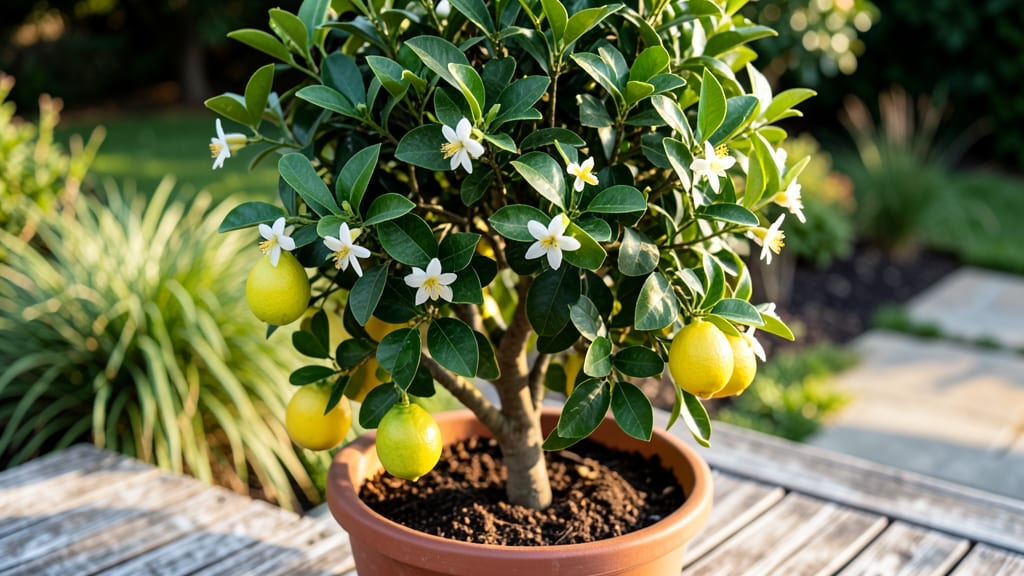
Meyer lemon trees grow best in USDA hardiness zones 9 through 11, where they naturally tolerate temperatures down to 20°F (-6°C) but need winter protection in colder climates. Growers in zones 8 and below should use container cultivation or indoor overwintering to ensure survival.
Meyer lemon trees are subtropical plants, which means they prefer warmer climates but can adapt with proper care. 🌿 The key difference between zones 9-11 and colder regions lies in their ability to handle frost—even a brief dip below 28°F (-2°C) can damage leaves and fruit, while roots may suffer at 20°F (-6°C).
In colder zones, moving potted trees indoors or wrapping them in frost cloth during winter prevents irreversible damage. Microclimates near walls or under eaves can also extend their growing range by a zone or two.
For container growers, insulating pots with bubble wrap or straw and keeping them near heat sources helps maintain root temperatures. Indoor overwintering requires bright light—grow lights may be necessary—and consistent moisture to prevent stress. The goal is to mimic their natural subtropical environment while protecting them from sudden temperature drops.
💡 In This Article
- USDA Zone Map for Meyer Lemon Trees: Exact Cold Tolerance Limits
- Winter Care Strategies for Meyer Lemon Trees in Cold Zones
USDA zone map for Meyer lemon trees: exact cold tolerance limits
Meyer lemon trees are subtropical plants, meaning their cold tolerance is directly tied to their natural habitat in southern China's warm, frost-free regions. In USDA zones 9-11, these trees can handle temperatures down to 20°F (-6°C) without protection, though prolonged exposure below 28°F (-2°C) will damage leaves and fruit.
The key difference between zones 9-11 and colder areas lies in how quickly temperatures drop—subtropical plants like Meyer lemons are more sensitive to rapid temperature shifts than to steady cold.
The tree's roots are particularly vulnerable, as they begin to suffer damage at 20°F (-6°C), while the canopy may show frost damage at 28°F (-2°C).
In zone 8, where winter lows can reach 10°F (-12°C), even a single night below 28°F (-2°C) can cause irreversible leaf scorch, while roots may die back at 15°F (-9°C).
This explains why zone 8 growers often see partial dieback even with protection—roots simply can't tolerate the extended cold periods typical of northern winters. 🌡️
Microclimates play a crucial role in extending a Meyer lemon's growing range. Trees planted near south-facing walls, under eaves, or in sheltered garden nooks can experience 5-10°F (3-6°C) warmer temperatures than open areas.
Soil heat retention is another factor—sandy soils warm up faster in spring but lose heat quickly at night, while loamy soils provide more consistent temperature buffering. Container growers gain an advantage here, as pots can be moved to protected locations during cold snaps or brought indoors entirely.
Wind exacerbates cold damage by increasing the wind chill factor, which can make 25°F (-4°C) feel like 15°F (-9°C) to the plant. This is why coastal areas (where wind is constant) often require more aggressive protection than inland locations at similar latitudes.
The tree's natural defense mechanism—thick, waxy leaves—helps retain moisture and reduce frost damage, but only up to a point. When temperatures drop below 28°F (-2°C) for more than a few hours, these adaptations become overwhelmed. 🌬️
What most growers don't realize is that Meyer lemons are actually more cold-hardy than true lemons (Citrus × limon), which tolerate only 25°F (-4°C) with protection.
This hybrid vigor comes from their parentage—Meyer lemons are a cross between a true lemon and a mandarin orange, inheriting some of the mandarin's cold tolerance. However, this doesn't mean they're winter-hardy by temperate standards; they still require careful management outside their native range.
For precise zone planning, consider that:
- Zone 9: Can handle 20-25°F (-6 to -4°C) with minimal protection (mulch, frost cloth)
- Zone 10: Safe down to 30°F (-1°C) with no protection needed
- Zone 11: Thrives year-round with no cold protection requirements
- Zone 8: Needs container growing or indoor overwintering below 28°F (-2°C)
Understanding these thresholds helps explain why Meyer lemons often produce more reliably in zone 9 than in zone 8—even with protection, the stress of repeated cold exposure can reduce flowering and fruiting. The goal is to keep the tree's energy focused on growth rather than survival. 🌱