
Pruning
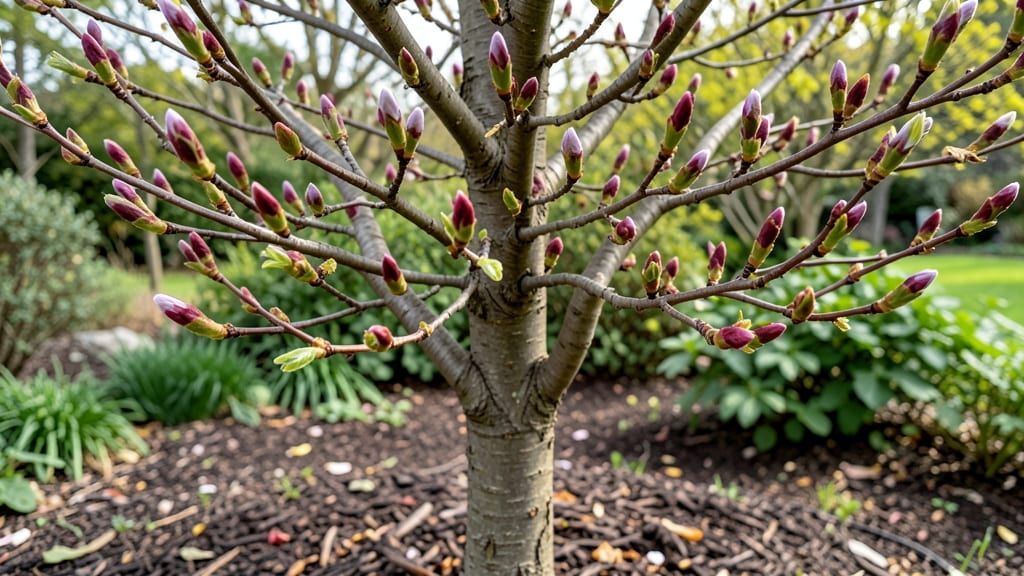
Maple tree spring buds are the first sign your tree is waking up from winter’s long sleep—and pruning them at the right time makes all the difference. 🌱 I’ve watched my sugar maple go from dormant branches to vibrant green leaves in just a few weeks, and the secret lies in understanding when those buds are ready for a little TLC.
The timing isn’t just about cutting branches; it’s about working with the tree’s natural rhythm.
Healthy buds appear as plump, reddish-brown swellings along the branches, usually in late winter to early spring before leaves emerge. If you prune too early, you risk damaging buds still tucked away in dormancy; too late, and you’ll cut into fresh growth.
The goal is to shape the tree while it’s still recovering from winter stress but before the buds burst into leaves—typically February to March in most zones, depending on your last frost date.
When done right, your pruning will encourage stronger, more vigorous growth that resists pests and disease. You’ll notice thicker foliage by summer and fewer weak branches that snap in storms. The key is clean cuts just beyond a bud or branch collar, using sharp tools to avoid tearing bark.
It’s not about drastic changes—just strategic trims to open up the canopy and improve airflow.
This method works for sugar maples, silver maples, and even young specimens. Whether you’re dealing with a mature tree or a newly planted sapling, the principles stay the same: timing, precision, and patience.
Once you master it, your maple will reward you with lush, healthy growth for years to come.
📚 In This Guide
- What you need
- Instructions
- Tips and common mistakes
- Wrapping up and next steps
What you need
- ● Pruning shears: Bypass pruners (sharp, clean, and disinfected with rubbing alcohol or bleach solution). Size: 6–8 inches for small branches.
- ● Loppers: For thicker branches (up to 2 inches in diameter). Quantity: 1 pair.
- ● Pruning saw: For branches over 2 inches thick. Type: Curved-tooth saw for clean cuts.
- ● Gloves: Heavy-duty work gloves (cut-resistant for safety). Material: Leather or synthetic.
- ● Ladder (if needed): Sturdy, extendable ladder (24–32 ft) for taller trees. Safety tip: Use stabilizers!
- ● Disinfectant: 1-part bleach to 9 parts water (to prevent disease spread). Quantity: Small spray bottle or bucket.
- ● Rags or paper towels: For wiping tools between cuts.
- ● Trash bags or bucket: For collecting pruned branches.
- ● Hand saw or pole pruner for hard-to-reach branches.
- ● Tree wound dressing (controversial—skip if unsure! Consult a local arborist first).
- ● Notebook & pen to track pruning notes (e.g., branch sizes, directions).
- ● Safety glasses and ear protection (if using a chainsaw for large limbs).
Step-by-step guide to pruning maple tree spring buds
Here's how to encourage strong, healthy growth without damaging your tree.
🌿 Step 1: Identify the Right Time to Prune
Wait until the tree has fully leafed out but before the buds begin to swell—typically late April to early May in most climates. This timing ensures you won’t stimulate new growth too early, which can be damaged by late frosts. Look for fully unfurled leaves as your signal that the tree has passed its dormant phase.
I always check the forecast first—prune on a cool, overcast day to reduce stress on the tree. If you prune too early, the tree may produce weak, frost-sensitive growth. If you wait too late, you risk cutting off potential blooms or new shoots.
✂️ Step 2: Gather the Right Tools and Prepare the Tree
Use clean, sharp pruning shears for cuts under ½ inch in diameter and a pruning saw for thicker branches. Disinfect your tools with rubbing alcohol to prevent spreading disease between cuts. Focus on removing dead, diseased, or crossing branches first—they’re the easiest to spot and prioritize.
Step back and examine the tree’s structure. Remove any branches growing inward or rubbing against others—these create wounds that invite pests and rot. I like to make my first cuts just outside the branch collar, the swollen area where the branch meets the trunk. This ensures the tree seals the wound naturally.
☀️ Step 3: Prune for Light and Airflow
Target branches that block sunlight from reaching the center of the tree. Aim to open up the canopy by 20-30%—this improves airflow and reduces humidity, which helps prevent fungal diseases. Look for suckers (shoots growing from the base or trunk) and remove them completely at the base to redirect the tree’s energy into healthy growth.
For larger cuts, make a clean, angled cut just outside the branch collar. Avoid leaving stubs—they trap moisture and invite decay. If you’re unsure about a cut, I recommend leaving it for now. Better to err on the side of caution than over-prune and stress the tree.
🌱 Step 4: Monitor and Encourage New Growth
After pruning, water the tree deeply to help it recover. Mulch the base with 2-3 inches of organic mulch (like shredded bark) to retain moisture and regulate soil temperature. Watch for new buds forming along the branches—these indicate the tree is responding well to the pruning.
If you notice any yellowing leaves or wilting branches in the weeks following pruning, it’s a sign of stress. Adjust your watering if the soil feels dry 1-2 inches below the surface. Avoid fertilizing immediately—let the tree focus on healing before adding extra nutrients.
⏰ Step 5: Plan for Long-Term Health
Schedule a follow-up pruning session in late winter to remove any water sprouts or weak growth that appeared after spring. This keeps the tree’s shape balanced and encourages strong, healthy branches. Over time, you’ll develop a rhythm—prune lightly in spring, monitor growth, and adjust as needed.
Real talk: Maple trees are resilient, but they won’t tolerate aggressive pruning. Stick to no more than 25% of the canopy at a time, and always prioritize the tree’s health over aesthetics. With patience, your maple will reward you with vibrant foliage and sturdy branches for years to come.
Tips & tricks for perfect maple tree spring bud pruning
Timing and technique matter most when pruning maple trees—here’s how to avoid common mistakes and keep your tree thriving.
Timing is Everything: The late April to early May window is critical because maple trees are particularly vulnerable to frost damage when new growth starts. I learned this the hard way—after pruning too early one spring, my tree produced weak shoots that died back when frost hit. Watch for fully unfurled leaves as your signal that the tree has passed its dormant phase and is ready for pruning. A cool, overcast day reduces stress on the tree, so I always check the forecast before grabbing my tools.
Tool Preparation Matters: Disinfecting your pruning shears and saw with rubbing alcohol between cuts prevents spreading disease between branches. I keep a small bottle of alcohol in my tool bag and wipe down tools after every 3-4 cuts. For larger branches, use a pruning saw—never try to force small shears through thick wood. This simple step has saved me from dealing with infected branches that took years to recover from.
Branch Collar Technique: When making cuts, always target just outside the branch collar—the swollen area where the branch meets the trunk. This ensures the tree can seal the wound naturally, preventing decay. I make a small notch on the underside of the branch first, then cut through the top. This method creates a clean cut that heals faster than leaving stubs, which trap moisture and invite pests.
Monitoring Growth After Pruning: After pruning, keep an eye out for new buds forming along the branches—this is your sign that the tree is responding well. If you notice yellowing leaves or wilting branches, it’s often a sign of stress from over-pruning or insufficient water. I check soil moisture by sticking my finger 1-2 inches below the surface—if it feels dry, it’s time to water deeply. Mulching with 2-3 inches of organic material helps retain moisture and regulates soil temperature.
Pro Tips for Maple Tree Spring Buds
- Timing and technique matter most when pruning maple trees—here’s how to avoid common mistakes and keep your tree thriving.
- Timing is Everything: The late April to early May window is critical because maple trees are particularly vulnerable to frost damage when new growth starts.
- Tool Preparation Matters: Disinfecting your pruning shears and saw with rubbing alcohol between cuts prevents spreading disease between branches.
Frequently asked questions
Got questions about maple tree spring buds? You’re not alone! Here are answers to the most common queries to help you prune with confidence.
When is the exact best time to prune maple tree buds in spring?
The ideal window is late winter to early spring (just before buds swell but before they burst). For most maples, this means February to March in temperate zones—check your local frost dates. Pruning too early risks damaging dormant buds, while waiting too long invites pests or disease. Pro tip: Use a bud break calendar for your region!
What happens if I prune maple trees after buds open?
Pruning once buds open (or during active growth) can stress the tree, leading to excessive sap flow, weak new shoots, or even bleeding (a sticky mess!). Saplings may recover, but mature trees can suffer long-term damage. If you miss the window, wait until late summer/early fall (avoid heavy pruning then too).
Can I prune maple tree buds if they’re already damaged or diseased?
Remove any
buds showing signs of tar spots, cankers, or fungal growth (blackened, oozing, or deformed buds). Sterilize tools with 70% rubbing alcohol between cuts to prevent spreading. For severe cases, consult an arborist—some diseases (like verticillium wilt) require systemic treatment.
What’s the difference between pruning maple buds vs. shaping young trees?
Pruning buds focuses on selective removal to encourage strong growth (e.g., thinning crowded buds to reduce disease risk). Shaping young trees involves more aggressive cuts to establish structure (like removing water sprouts or crossing branches). For maples, bud pruning is gentler—think of it as "editing" rather than "haircutting."
Are there alternatives if I don’t want to prune buds myself?
Yes! Hire a certified arborist (look for ISA credentials) for precision work, especially on large or heritage maples. For small trees, community pruning workshops (check local nurseries!) offer hands-on guidance. If DIY isn’t your style, even a partial prune (removing 10–20% of buds) can improve airflow.
Pro Tip Table: Quick Troubleshooting
| Issue | Solution |
|---|---|
| Bud doesn’t grow after pruning | It might’ve been dormant—wait until next spring. If no growth after 2 seasons, the branch may be dead. |
| Tree bleeds sap heavily | Use sealing wax on cuts >1 inch thick. Avoid pruning during warm days (sap flows more). |
| New growth is weak or leggy | Prune too late—next year, aim for dormant season (winter) instead. |
Wrapping up and next steps
Watching your maple tree spring buds burst into life is one of spring’s most rewarding sights—and now you’ve got the expert timing and techniques to make it happen! 🌱 By pruning at the right moment (just before or during bud swell), you’re setting the stage for stronger branches, better airflow, and a stunning canopy.
Remember, patience and precision are key: take your time, sterilize your tools, and avoid over-pruning to keep your tree thriving for years.
Ready to roll up your sleeves? Grab your pruners, review your checklist, and give your maple tree the care it deserves. Happy pruning—and may your buds bloom beautifully! 🌿✨