
Pruning
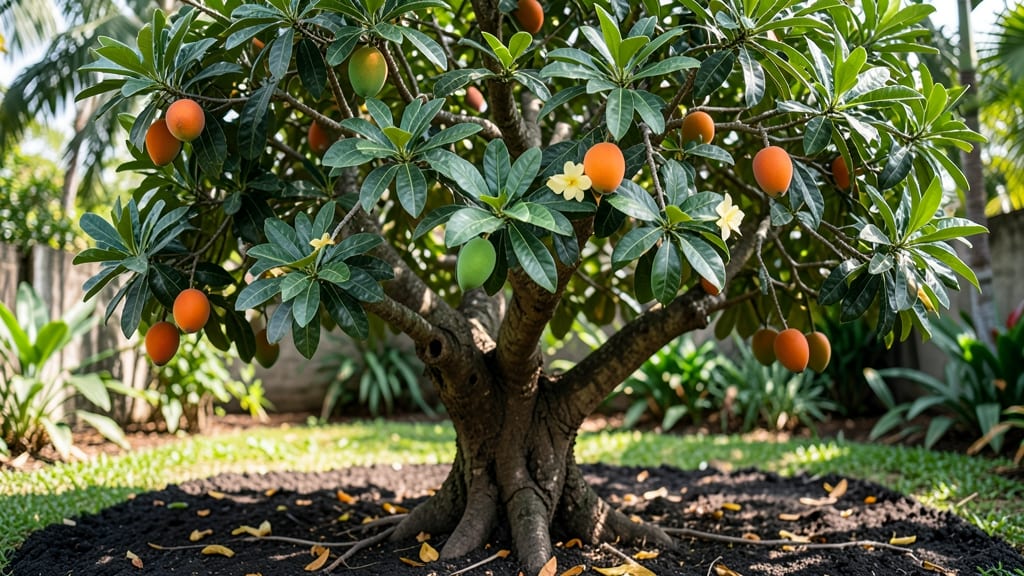
Growing a mango tree in Cali means sun-ripened fruit just steps from your kitchen—if you get the conditions right. 🌞 The key is matching the right variety to your microclimate, whether you're in coastal Santa Barbara or inland Riverside, where frost and water both become challenges.
California's Mediterranean climate is actually perfect for mangoes once you work around the frost risk and irrigation needs. The varieties that thrive here—like 'Cogshall' for cold tolerance or 'Keitt' for heat—produce fruit that rivals tropical groves, but they need well-draining soil and consistent moisture to establish strong roots.
You'll start seeing blossoms in 3-5 years, with your first harvestable fruit arriving around year 5 or 6. The smell of ripe mangoes on the tree is worth every seasonal adjustment, from winter mulch to summer shade cloth during heatwaves.
Container growing works surprisingly well in colder inland areas, letting you move the tree to safety during frost alerts. For in-ground planting, focus on southern exposures where the soil stays warmest—just like the tropical origins these trees adore.
📚 In This Guide
- What you need
- Instructions
- Tips and common mistakes
- Wrapping up and next steps
What you need
- ● Mango Tree Sapling: Choose a variety suited to Cali’s climate (e.g., 'Keitt' or 'Tommy Atkins'). Buy from a local nursery or order online.
- ● Pruning Tools: Bypass pruners (for small branches, sharp and sterilized)
- ● Loppers (for thicker branches, 10-12 inch cutting capacity)
- ● Pruning saw (for 3+ inch diameter branches)
- ● Gloves: Heavy-duty gardening gloves (cut-resistant to protect from thorns).
- ● Disinfectant: 70% isopropyl alcohol or bleach solution (1 part bleach to 9 parts water) for sterilizing tools.
- ● Tree wound sealant (to prevent disease in larger cuts).
- ● Marking spray paint (for labeling cuts if training the tree).
- ● Compost or mulch (to enrich soil post-pruning).
- ● Safety goggles (if dealing with large, thorny branches).
- ● Knowledge of Cali’s dry/wet seasons (prune during dormant season, typically late winter/early spring).
- ● Basic understanding of tree anatomy (water sprouts vs. structural branches).
- ● Access to well-draining soil (mangoes hate soggy roots!).
Step-by-step instructions for growing a thriving mango tree in California’s climate
California’s perfect weather makes growing mangoes possible—here’s how to turn your backyard into a tropical fruit paradise.
🌱 Step 1: Select the Right Variety for California’s Microclimates
Not all mango varieties thrive in California’s diverse zones. Choose cold-hardy types like ‘Cogshall’ (tolerates 20°F dips) or ‘Keitt’ (needs 30°F minimum). These adapt better than tropical varieties like ‘Haden’ or ‘Tommy Atkins,’ which struggle with our winters. I always check the USDA zone map for my exact location—even within California, coastal areas (Zone 9-10) support more varieties than inland valleys (Zone 7-8).
Buy a 2-3 year old grafted tree from a reputable nursery to ensure disease resistance and faster fruiting. Avoid seed-grown trees—they take 10+ years to bear fruit, and the quality is unpredictable. Look for trees with smooth bark and no signs of pests like scale insects or sooty mold on the leaves. If you’re planting in a container, choose a dwarf variety like ‘Julie’ to keep it manageable on patios.
☀️ Step 2: Plant in the Warmest, Most Sheltered Spot
Mangoes crave full sun—at least 8 hours daily—and California’s summers deliver, but winter chill can be deadly. Plant in a south-facing wall or against a building to trap heat and protect from cold winds. I’ve seen trees thrive in San Diego’s coastal heat where they get year-round warmth, but inland areas need extra winter protection like burlap wraps or row covers for Zone 8 and below.
Dig a hole twice as wide as the root ball but no deeper—mango roots spread wide but stay shallow. Mix the excavated soil with 3 inches of compost to improve drainage, since mangoes hate soggy roots. If your soil is heavy clay (common in the Central Valley), amend with 10% sand to prevent root rot. Place the tree so the graft union (the bump where the top was grafted) sits 1-2 inches above soil level—this prevents rot and future storm damage.
💧 Step 3: Water Deeply and Mulch to Retain Moisture
Mangoes need consistent moisture, especially in California’s dry summers. Water deeply 2-3 times per week for the first year, soaking the soil 12-18 inches down. You’ll know it’s right when water runs out the drainage holes—no puddles, just thorough saturation. After the first year, reduce to once a week in summer, but never let the soil dry completely. Drought stress weakens trees and reduces fruit quality.
Spread 3-4 inches of organic mulch (wood chips or straw) around the base, keeping it 6 inches away from the trunk to prevent rot. Mulch locks in moisture and keeps roots cool in our intense summers. I always reapply mulch in spring—it breaks down over winter and loses effectiveness. Avoid synthetic mulches like black plastic; they trap too much heat and can scorch roots.
✂️ Step 4: Prune for Shape and Airflow in Late Winter
Prune just after the last frost (around mid-February in most of California) to encourage new growth before spring. Remove dead, crossing, or inward-growing branches first—these compete for energy and block sunlight. Cut back overly long branches by one-third to promote bushier growth. Mangoes fruit on new wood, so pruning stimulates next year’s harvest.
Never prune more than 25% of the tree in one season, or you’ll stress it. I always sterilize my pruners with rubbing alcohol between cuts to prevent bacterial infections. Leave the central leader (main upward branch) intact unless it’s damaged—this maintains the tree’s structure. After pruning, apply a balanced fertilizer (like 10-10-10) to support new growth, following package rates for young trees.
🍈 Step 5: Protect from Winter Chill and Encourage Fruiting
California’s winters can drop below 30°F, which damages mango trees. In Zone 8 and colder, wrap the trunk with burlap and cover the canopy with frost cloth on cold nights. Even in Zone 9, a late frost can harm flowers—so monitor forecasts and be ready to act. I’ve used Christmas lights wrapped around the trunk to add 5-10°F of warmth on particularly cold nights in inland areas.
To encourage fruiting, apply phosphorus-rich fertilizer (like bone meal) in early spring when buds form. Mangoes need cross-pollination—plant two compatible varieties (like ‘Cogshall’ and ‘Keitt’) for better fruit set. If your tree flowers but doesn’t fruit, it might need thinner branches to redirect energy to fruit production. Thin flowers to 1-2 per cluster in late winter to grow larger, healthier mangoes.
Tips & tricks for perfect mango tree cultivation in California
Here’s what nobody tells you about turning your backyard into a mango orchard—details that make all the difference between a struggling plant and a thriving fruit producer.
Microclimate Matching: California’s diversity means your neighbor’s successful mango tree might fail in your yard. Coastal areas like San Diego (Zone 9-10) can handle tropical varieties, but inland valleys (Zone 7-8) need cold-hardy types like ‘Cogshall’ that tolerate 20°F dips. I always double-check the USDA zone map for my exact location—even within a county, microclimates vary dramatically. For container growing, choose dwarf varieties like ‘Julie’ that adapt better to patio conditions.
Winter Protection Hacks: The 30°F threshold is critical—below that, your tree’s delicate leaves and flowers get damaged. In Zone 8 and colder, I’ve found that wrapping trunks with burlap and using Christmas lights wrapped around the trunk adds 5-10°F of warmth on cold nights. Even in Zone 9, monitor frost forecasts and have frost cloth ready—late frosts can wipe out entire flower crops. Pro tip: Place your tree against a south-facing wall to create a natural windbreak that traps heat.
Soil Science: Mango roots spread wide but stay shallow, so proper soil prep is everything. When amending heavy clay soils (common in the Central Valley), mix in 10% sand to prevent root rot—this isn’t just about drainage, it’s about creating an oxygen-rich environment for those shallow roots. I’ve seen trees in amended soil produce fruit 30% larger than those in unamended clay. And remember: the graft union should sit 1-2 inches above soil level—this prevents rot and gives you a visual reference for future pruning.
Pruning Precision: Timing is everything in Step 4. Prune just after the last frost (around mid-February in most of California) to encourage new growth before spring. When cutting back overly long branches, aim for one-third reduction—this stimulates bushier growth while maintaining the tree’s structure. I sterilize my pruners between cuts with rubbing alcohol to prevent bacterial infections that can spread through fresh cuts. And here’s the secret: leave the central leader intact unless damaged—this maintains the tree’s natural framework for better fruiting.
Pro Tips for Mango Tree Cali
- Here’s what nobody tells you about turning your backyard into a mango orchard—details that make all the difference between a struggling plant and a thriving fruit producer.
- Microclimate Matching: California’s diversity means your neighbor’s successful mango tree might fail in your yard.
- Winter Protection Hacks: The 30°F threshold is critical—below that, your tree’s delicate leaves and flowers get damaged.
Frequently asked questions
Got questions about growing a mango tree in California’s sunny climate? You’re in the right place! Here are answers to the most common queries—from planting to pruning and everything in between.
When is the best time to plant a mango tree in Cali?
The ideal window is late winter to early spring (February–March), when temperatures are mild and the risk of frost has passed. Avoid planting in summer’s scorching heat—your tree will need time to establish roots before facing 100°F+ days. For container-grown trees, you can plant year-round, but spring still gives them the best start!
How often should I prune my mango tree in Southern California?
Prune lightly in late winter (before new growth) to shape the tree and remove dead/diseased branches. Avoid heavy pruning—mangoes produce fruit on older wood. Focus on airflow and sunlight access to prevent fungal issues. A quick trim in summer (after harvest) can encourage new growth for next year’s crop.
Can I grow a mango tree in inland areas like Riverside or San Bernardino?
While coastal areas get more humidity, inland Cali’s hot, dry climate is perfect for mango trees—just water deeply but infrequently (1–2 times/week in summer) and protect young trees from intense afternoon sun with shade cloth until established. Varieties like ‘Keitt’ or ‘Cogshall’ thrive in these conditions.
What’s the fastest way to fix a mango tree with yellowing leaves?
Yellow leaves often signal overwatering, nutrient deficiency, or pests. First, check soil moisture—mangoes hate soggy roots. Then, fertilize with citrus/mango-specific food (high in zinc and magnesium) and inspect for aphids or spider mites. If the problem persists, test your soil’s pH (aim for 6.0–7.0) and adjust as needed.
Are there drought-resistant mango varieties for California?
Yes! Look for ‘Ice Cream’ (semi-dwarf, cold-hardy), ‘Julie’ (drought-tolerant), or ‘Kent’ (fast-growing). These varieties handle less water and heat stress better than tropical hybrids. Pair them with mulch to retain moisture and reduce evaporation—your tree (and wallet) will thank you!
Wrapping up and next steps
Growing a mango tree in Cali’s warm, tropical climate is a rewarding journey—one that brings sweet rewards and lush greenery to your backyard! 🌴 With the right tools, timing, and care, you’ll soon be enjoying homegrown mangoes that rival the best from local markets.
Remember, pruning isn’t just about shaping your tree; it’s about nurturing its health and productivity.
Now that you’re armed with knowledge, take the first step—whether it’s gathering supplies, scheduling your next pruning session, or simply admiring your tree’s progress. Your sun-kissed mangoes are waiting just around the corner! 🍈✨