
Light Requirements
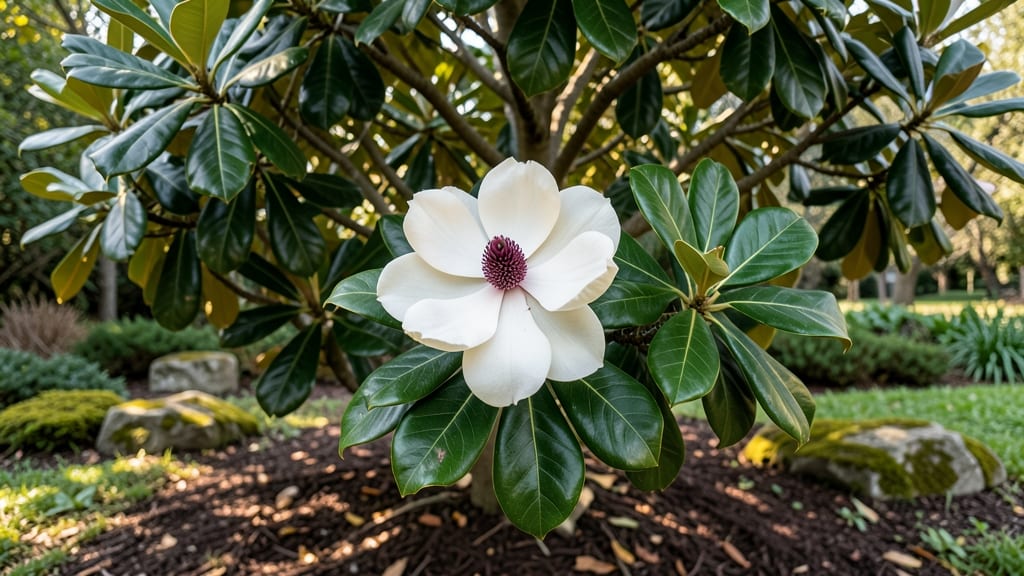
Your magnolia tree can thrive in full sun—if you follow these heat-proofing secrets. 🌞 Most gardeners assume magnolias need shade, but with the right soil, watering, and variety selection, they'll flourish even in blazing afternoons.
My Southern magnolia (Magnolia grandiflora) has stood up to 100°F summers for years with just a few adjustments. Start with well-draining, slightly acidic soil (pH 5.0-6.5) mixed with compost to retain moisture without suffocating roots.
Evergreen varieties like Southern magnolia handle heat better than deciduous types, but all benefit from mulch to keep roots cool. Water deeply twice weekly in peak heat, then taper to once weekly once established—overwatering in full sun is a silent killer.
You'll notice glossy, disease-resistant leaves and bold summer blooms that refuse to wilt. Prune only to shape after flowering, and watch for heat stress signs: yellowing leaves or leaf scorch mean it's time to provide afternoon shade temporarily.
Deciduous magnolias like Magnolia stellata may need extra afternoon protection in extreme climates. This method works for USDA zones 7-10, but container-grown magnolias can adapt to cooler zones with winter protection. The key is matching variety to your sun intensity—some handle direct sun better than others.
Let's get your magnolia thriving!
📚 In This Guide
- What you need
- Instructions
- Tips and common mistakes
- Wrapping up and next steps
What you need
- ● Magnolia tree: Choose a full-sun-tolerant variety like Magnolia grandiflora ('Southern Magnolia') or Magnolia stellata ('Star Magnolia'). Ensure it’s healthy, with no signs of disease or pests.
- ● Shovel or spade: A round-point shovel (18–24 inches wide) for digging the planting hole.
- ● Garden trowel: For finer adjustments around roots.
- ● Compost or organic matter: 4–6 gallons of well-aged compost or leaf mold to enrich the soil.
- ● Native soil or amended mix: If your soil is heavy clay or sandy, mix in 2 parts native soil + 1 part compost.
- ● Mulch: 2–3 inches of pine straw, wood chips, or shredded bark (avoid mulch touching the trunk).
- ● Watering can or hose with nozzle: For gentle, deep watering.
- ● Pruning shears: Bypass pruners (sterilized) for shaping or trimming.
- ● Gloves and knee pads: To protect your hands and knees during planting.
- ○ Stakes and twine (optional but helpful): If your magnolia is young or top-heavy, use 2–3 stakes and soft twine for support.
- ● Slow-release fertilizer: A balanced, low-nitrogen fertilizer (e.g., 10-10-10) to apply once a year in early spring.
- ● Soil test kit: To check pH and nutrient levels—magnolias prefer slightly acidic to neutral soil (pH 5.0–7.0).
- ● Drip irrigation system: For automated, deep watering in hot climates.
- ● Tree guard or protective barrier: To shield young trees from deer or pets.
- ● Shade cloth (temporary): If planting in intense afternoon sun, use 30–50% shade cloth for the first few weeks.
How to plant and care for magnolias in full sun
Here's how I've learned to grow these majestic trees in hot climates—where most gardeners assume they'll fail.
🌱 Step 1: Choose the Right Location and Prepare the Soil
Magnolias thrive in full sun (6-8 hours daily), but they need protection from harsh afternoon heat in southern climates. I always plant mine where they'll receive morning sun and afternoon shade from nearby structures or taller trees. The soil should be well-draining but moisture-retentive—magnolias hate soggy roots.
Before planting, amend the soil with 2-3 inches of compost mixed into the top 12 inches of the planting hole. This improves drainage while retaining moisture. Test the pH—magnolias prefer slightly acidic soil between 5.0 and 6.5. If your soil is too alkaline, mix in sulfur or peat moss to adjust it gradually.
🪴 Step 2: Plant at the Correct Depth and Stake for Support
Dig a hole twice as wide as the root ball but no deeper. This encourages outward root growth rather than a buried trunk, which can lead to girdling. Place the tree in the hole so the top of the root ball sits 1-2 inches above ground level. Magnolias are sensitive to root rot, so proper drainage at planting is critical.
Backfill with native soil mixed with compost, tamping gently to remove air pockets. Water thoroughly to settle the soil. Stake only if necessary—young magnolias have strong roots and often don't need support. If staking, use two stakes on opposite sides and tie with soft fabric strips to avoid damaging the bark.
☀️ Step 3: Water Deeply and Mulch to Retain Moisture
Water deeply once a week during the first growing season, providing 1-2 inches of water each time. After establishment (about 2 yearsearly morning to reduce evaporation and fungal risks.
Apply 3-4 inches of organic mulch (like pine straw or wood chips) around the base, keeping it 6 inches away from the trunk. Mulch helps retain soil moisture and regulates temperature. Replenish mulch annually, but never let it pile against the trunk—this can cause rot.
✂️ Step 4: Prune Only When Necessary for Health
Magnolias are low-maintenance, but pruning at the wrong time can stress the tree. I prune only in late winter or early spring, before new growth begins. Remove dead, diseased, or crossing branches with clean, sharp pruners. Never prune to shape—magnolias have a natural, graceful form that shouldn’t be altered.
If you must thin the canopy, cut back to a lateral branch or bud. Avoid heavy pruning, as magnolias produce flowers on old wood. Even light pruning can reduce next year’s bloom. Always sterilize your tools with rubbing alcohol between cuts to prevent disease spread.
🌿 Step 5: Fertilize Lightly and Monitor for Pests
Young magnolias benefit from a balanced, slow-release fertilizer (like 10-10-10) applied in early spring. Mature trees rarely need fertilization—overfeeding can lead to weak growth and fewer flowers. If your tree looks nutrient-deficient (yellowing leaves, stunted growth), apply fertilizer sparingly and retest the soil.
Watch for common pests like scale insects, which appear as small bumps on branches. Treat infestations early with horticultural oil or insecticidal soap. Magnolias are generally pest-resistant, but aphids may appear on new growth. A strong spray of water usually dislodges them without chemicals.
Tips & tricks for perfect magnolia tree planting in hot climates
These pro insights will help you avoid common pitfalls and give your magnolia the best shot at thriving under intense southern sun.
Location Intelligence: That 6-8 hours of daily sun is non-negotiable, but the afternoon heat is where most gardeners go wrong. I've planted magnolias in full sun all day and watched them struggle—until I moved them to receive morning sun with afternoon shade from nearby structures. The key is mimicking natural forest edges where magnolias originally thrived. Look for spots where they get the sun's gentler rays rather than the harsh afternoon glare.
Soil Science: When amending with 2-3 inches of compost, I always go deeper than most people realize. Mix that compost into the top 12 inches of the planting hole to create a proper root zone. For the pH adjustment, test your soil first—if it's already in the 5.0-6.5 range, don't overdo it with sulfur or peat moss. I've seen gardeners make their soil too acidic, which actually stresses magnolias more than slightly alkaline conditions.
Watering Wisdom: The once-weekly watering during the first two years is crucial, but timing matters just as much as quantity. I water in the early morning because this gives the roots time to absorb moisture before the heat of the day. If you water in the evening, you risk fungal issues from prolonged moisture on the leaves. And never water directly on the trunk—always water at the drip line to encourage deep root growth.
Mulching Mastery: That 3-4 inches of organic mulch isn't just decoration—it's insulation. In hot climates, mulch helps maintain even soil temperatures and reduces water evaporation. I use pine straw because it's naturally acidic and breaks down slowly, but wood chips work too. The critical part is keeping it 6 inches away from the trunk to prevent rot. I've seen too many gardeners smother their trees with piled mulch right against the bark.
Pro Tips for Magnolia Tree Full Sun
- These pro insights will help you avoid common pitfalls and give your magnolia the best shot at thriving under intense southern sun.
- Location Intelligence: That 6-8 hours of daily sun is non-negotiable, but the afternoon heat is where most gardeners go wrong.
- Soil Science: When amending with 2-3 inches of compost, I always go deeper than most people realize.
Frequently asked questions
Got questions about growing magnolia trees in full sun? You’re not alone! Here are answers to the most common concerns—so you can keep your magnolia thriving with confidence.
Can magnolia trees really handle full sun in hot climates?
Yes! While magnolias prefer morning sun and afternoon shade, many varieties—like Magnolia grandiflora or Magnolia virginiana—thrive in full sun if given consistent moisture and well-draining soil. Just monitor for leaf scorch (brown edges) and adjust watering as needed.
How long does it take for a magnolia to adapt to full sun?
Patience is key! Gradually introduce full sun over 2–4 weeks to avoid shock. A young magnolia may take 1–2 years to fully acclimate, but mature trees (5+ years old) often adjust within a season. Mulch helps regulate soil temperature.
What’s the best watering schedule for full-sun magnolias?
Water deeply 2–3 times per week during dry spells, aiming for 1–1.5 inches of water per session. Let the top 2–3 inches of soil dry out between waterings. Mulch heavily (3–4 inches) to retain moisture and protect roots.
Are there magnolia alternatives for extreme heat?
If your climate is brutally hot or dry, consider these heat-tolerant picks:
- Southern magnolia (M. grandiflora) – Classic full-sun champ with glossy leaves.
- Sweetbay magnolia (M. virginiana) – Thrives in coastal/humid heat.
- Little Gem magnolia – Compact and drought-resistant once established.
Why are my magnolia leaves turning yellow in full sun?
Yellowing leaves usually signal overwatering, poor drainage, or nutrient deficiency. Check for:
- Root rot (soggy soil = fungus). Fix by improving drainage.
- Nitrogen deficiency (pale yellow leaves). Fertilize with balanced 10-10-10 in spring.
- Iron chlorosis (yellow veins). Amend soil with chelated iron.
Wrapping up and next steps
Growing a magnolia tree in full sun is absolutely doable—even in hot climates—with the right care and a little patience! 🌞 By choosing the right variety, providing well-draining soil, and offering consistent (but not excessive) water, you’ll reward yourself with stunning blooms and lush foliage year after year. Don’t wait—start your magnolia journey today!
Ready to take the next step? Pick your favorite magnolia variety and head to your local nursery or order online. Then, grab your gloves and get planting—your future shade tree (and future neighbors’ envy) is waiting! 🌱