
Pruning
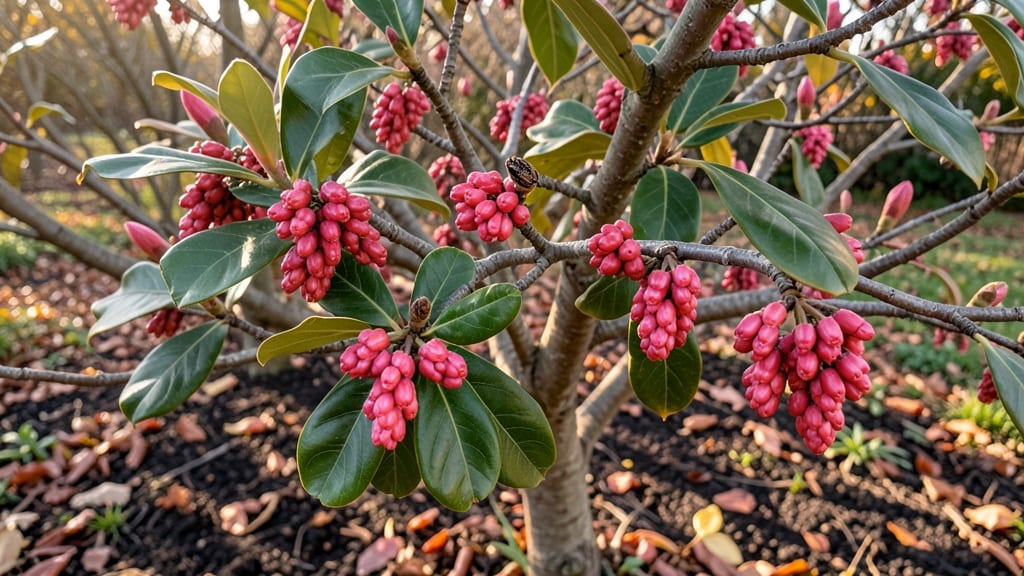
Those bright red magnolia tree berries aren't just pretty—they're nature's way of keeping your tree healthy and spreading its legacy. 🌿 I used to prune them off for looks, but now I leave them for the birds and the next generation of magnolias in my yard.
They form after pollination, turning from green to vibrant red as winter approaches, and they're packed with seeds for propagation.
The key to keeping your magnolia producing those berries? Pollinators like bees and proper pruning. Thin out crowded branches in late winter to improve airflow, and avoid heavy pruning when flowers are forming.
My 20-year-old Southern magnolia now drops berries every year, and the birds love them—though they do make a mess! The berries stay on the tree through winter, providing winter interest and food for wildlife.
You might wonder if they're edible—technically, yes, but they're bitter and toxic in large quantities. Better to leave them for birds or collect seeds for starting new trees. The berries also signal the tree's health: plentiful berries mean strong pollination and good care.
Prune strategically to balance aesthetics and fruit production—your tree will thank you with more blooms and berries next season.
For cold-hardy varieties like 'Little Gem' or 'Black Tulip,' berries are even more reliable. These types handle winter well and still produce those striking red berries. If you're growing magnolias for privacy, the berries add another layer of seasonal interest—just don't expect them to be a food source for you!
The real payoff is watching your tree thrive year after year.
📚 In This Guide
- What you need
- Instructions
- Tips and common mistakes
- Wrapping up and next steps
What you need
- ● Cold-hardy magnolia saplings: Choose varieties like Magnolia × soulangeana (Saucer Magnolia), Magnolia stellata (Star Magnolia), or Magnolia grandiflora (Southern Magnolia)—ensure they’re labeled for your USDA hardiness zone (e.g., Zones 4–9). Quantity: 3–5 trees for a small privacy screen; adjust based on spacing (15–20 ft apart).
- ● High-quality potting soil or native soil mix: 5–10 bags (2–3 cubic feet each) enriched with compost for planting.
- ● Mulch: 2–3 bags of organic mulch (e.g., pine bark or shredded leaves) to retain moisture and regulate soil temperature.
- ● Pruning tools: Bypass pruners (for small branches, <1-inch diameter).
- ● Loppers (for medium branches, 1–2 inches in diameter).
- ● Pruning saw (for thick branches, >2 inches in diameter).
- ● Hand pruners (for delicate trimming of new growth).
- ● Gloves: Heavy-duty gardening gloves (to protect against thorns and sap).
- ● Watering can or hose with a gentle spray nozzle: 5+ gallons capacity for deep watering.
- ● Fertilizer: Slow-release, balanced fertilizer (10-10-10 or 20-20-20) for early spring and fall applications.
- ● Tree stakes and ties: For young saplings in windy areas.
- ● Anti-transpirant spray: To reduce water loss during hot, dry periods.
- ● Soil moisture meter: To monitor hydration levels (especially for container-grown magnolias).
- ● Plant food with micronutrients: For nutrient-dense soil (e.g., fish emulsion or seaweed extract).
- ● Safety gear: Safety glasses (if using a pruning saw) and long sleeves/pants (to avoid sap irritation).
How to plant and care for cold-hardy Magnolia trees for privacy
Here's how I plant and maintain magnolias for a lush, ever-changing privacy screen that thrives in cold climates.
🌱 Step 1: Choose the Right Cold-Hardy Variety
Start with proven cold-hardy types like Little Gem or Ann Magnolia, which handle 10-20°F winters beautifully. These varieties also produce striking red berries that add seasonal interest. I always check the USDA zone rating on the tag—it's the single most important factor for long-term success.
Look for 1-3 gallon container-grown trees at nurseries. Bare-root specimens work too, but containerized plants establish faster. Avoid trees with yellowing leaves or dry soil—these are early signs of stress. The root ball should feel firm but not rock-hard when gently squeezed.
🪴 Step 2: Plant in Well-Draining Soil with Proper Spacing
Dig a hole twice as wide as the root ball but no deeper—magnolias hate having their roots buried too deeply. Amend heavy clay soil with 2-3 inches of compost mixed into the bottom of the hole. This improves drainage while providing nutrients for establishment.
Place the tree so the top of the root ball sits 1-2 inches above ground level. Fill around the roots with native soil, tapping gently to eliminate air pockets. Water immediately after planting to settle the soil and remove any air gaps. Space trees 15-20 feet apart for full privacy—closer spacing leads to crowded, weak growth.
☀️ Step 3: Position for Sunlight and Protection
Magnolias thrive in full sun to partial shade, with at least 6 hours of direct sunlight daily. In hotter climates, afternoon shade helps prevent leaf scorch. I always plant mine on the north or east side of the property to provide natural winter windbreak while still getting morning sun.
Young trees need winter protection in their first few years. Wrap the trunk with tree guard in late fall to prevent rodent damage. Mulch heavily with 3-4 inches of organic mulch (like wood chips) around the base, keeping it 6 inches away from the trunk to prevent rot.
💧 Step 4: Water Deeply and Monitor Seasonal Needs
Water newly planted magnolias 2-3 times per week for the first month, then taper to once weekly once established. The soil should feel 2-3 inches dry between waterings—stick your finger in to check. Overwatering is the #1 killer of young trees.
During winter dormancy, reduce watering to once every 3-4 weeks unless we have an unusually dry spell. The berries that form in late winter are a good indicator—healthy trees will develop plump, red fruit clusters that persist through early spring.
✂️ Step 5: Prune for Shape and Health
Prune in late winter or early spring before new growth begins. Remove any dead, diseased, or crossing branches first—these compete with the tree's energy. I always make cuts just outside the branch collar to promote faster healing.
Shape the tree by selectively thinning out interior branches to improve airflow. This prevents fungal diseases that thrive in dense foliage. Avoid heavy pruning—magnolias respond poorly to drastic cuts. A light shaping every 2-3 years keeps them looking natural while maintaining that beautiful privacy screen.
Tips & tricks for perfect Magnolia tree privacy screens
These simple insights will help you grow a thriving magnolia hedge that provides stunning winter interest and year-round privacy.
Variety Selection Matters: When choosing between Little Gem and Ann Magnolia, consider your climate goals. Little Gem grows faster (reaching 20 feet in 10 years) and produces abundant red berries that persist through winter, while Ann Magnolia offers fragrant white flowers in spring. For maximum berry production, plant both varieties—they'll complement each other beautifully. The berries aren't just ornamental; they attract birds year-round, adding another layer of life to your privacy screen.
Soil Preparation Secret: Before planting, test your soil's drainage by digging a 12-inch hole and filling it with water. If it doesn't drain within 2 hours, you'll need to amend with more compost (up to 4 inches) or consider raised beds. Magnolias hate soggy roots—this simple test can save you from root rot later. I've seen too many beautiful trees lost because of poor drainage, so don't skip this step.
Winter Protection Strategy: For your first two winters, wrap the trunk with tree guard and add an extra 2 inches of mulch around the base. This creates a protective barrier against temperature swings that can damage young bark. In extreme cold (below 10°F), you can also wrap the entire tree in burlap—just make sure to remove it in early spring before new growth begins. The goal is to protect without smothering.
Pruning Timing Tip: The late winter/early spring timing for pruning (just before buds swell) is critical because it allows the tree to heal before summer heat arrives. If you must prune in summer, do it in mid-July to avoid stimulating new growth that won't harden off before winter. I always mark my calendar for February 15th—this gives me a two-week window before buds typically start swelling in my climate zone.
Pro Tips for Magnolia Tree Berries
- These simple insights will help you grow a thriving magnolia hedge that provides stunning winter interest and year-round privacy.
- Variety Selection Matters: When choosing between Little Gem and Ann Magnolia, consider your climate goals.
- Soil Preparation Secret: Before planting, test your soil's drainage by digging a 12-inch hole and filling it with water.
Frequently asked questions
Got questions about magnolia tree berries?
You’re not alone! Here are some of the most common inquiries—plus quick, practical answers to help you navigate their care, harvest, and even safety.
Are magnolia tree berries safe to eat?
Most magnolia berries are not safe for humans or pets. They can cause stomach upset, vomiting, or even poisoning. The Southern magnolia (Magnolia grandiflora) is the exception—its bright red berries are edible when fully ripe (though they’re tart and not commonly eaten raw). Always research your specific variety before consumption!
When is the best time to harvest magnolia berries?
Harvest berries in late fall to early winter (October–December), when they’re fully ripe and deep red. Wait until they’re soft and slightly squishy—this signals peak ripeness. Avoid harvesting too early, as unripe berries can be bitter or toxic. Wear gloves, as the berries stain easily!
Why aren’t my magnolia berries ripening?
Several factors can delay ripening:
- Insufficient sunlight: Magnolias need 6+ hours of direct sun daily.
- Poor pollination: Some varieties require cross-pollination. Plant multiple trees for better fruit set.
- Cold damage: Late frosts can harm flowers/berries. Mulch the base to protect roots.
- Over-fertilization: Too much nitrogen promotes leaves over fruit. Use a balanced fertilizer (e.g., 10-10-10).
Can I use magnolia berries for bird feeders?
Magnolia berries are a fantastic natural food source for birds like cedar waxwings, robins, and mockingbirds. Leave some berries on the tree or place them in shallow dishes. Just avoid using them if your tree is treated with pesticides—opt for organic care to keep wildlife safe.
What’s a good alternative if my magnolia isn’t producing berries?
If your magnolia skips berries, consider these cold-hardy, berry-producing alternatives:
- Holly (Ilex spp.): Evergreen with bright red berries; great for privacy.
- Winterberry (Ilex verticillata): Deciduous but bursts with berries in winter.
- Crabapple (Malus spp.): Produces small, ornamental berries (edible for birds).
- Serviceberry (Amelanchier spp.): Edible berries + stunning fall color.
Wrapping up and next steps
Magnolia tree berries aren’t just a stunning natural feature—they’re a practical choice for year-round privacy, especially in colder climates! 🌳 With the right cold-hardy varieties and proper pruning, you can enjoy lush foliage, fragrant blooms, and even wildlife benefits without the hassle of seasonal replacements.
Ready to transform your outdoor space? Start by selecting a variety that thrives in your zone, then roll up your sleeves for some pruning love.
Whether you’re trimming for shape or health, your magnolia will reward you with beauty and resilience for years to come. Now’s the time to plant those roots—literally! 🌱