
Trees
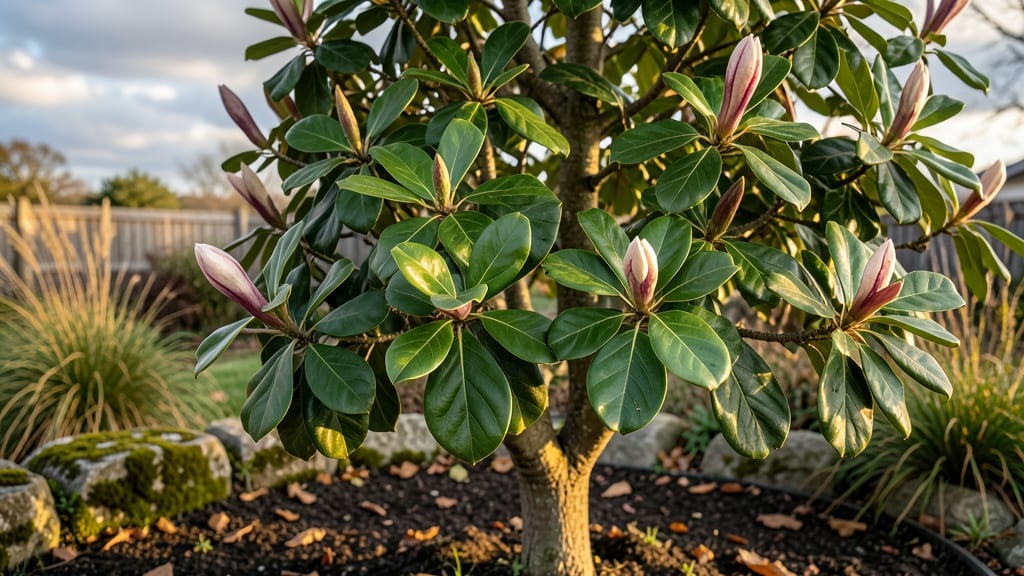
Saucer magnolia leaves should stay glossy and vibrant year-round—but when they yellow, spot, or wilt, it’s a sign your tree needs attention. 🌿 I’ve battled everything from scale insects to powdery mildew on mine, and I’ve learned which fixes actually work (and which are a waste of time).
The good news? Most issues fix with simple adjustments.
Yellowing leaves often mean overwatering or poor drainage, while brown spots usually point to fungal infections or pest damage. Scale insects love saucer magnolias, hiding under leaves like tiny armored bumps. The key is catching problems early—once leaves start dropping, it’s harder to recover.
I’ll walk you through organic sprays, pruning tricks, and soil fixes that bring back that signature deep green shine.
📚 In This Guide
- What you need
- Instructions
- Tips and common mistakes
- Wrapping up and next steps
What you need
- ● Saucer Magnolia Tree (Magnolia soulangeana) – Choose a healthy, disease-free specimen (1-3 years old for best results). Pro tip: 💡 Opt for a grafted tree for stronger growth!
- ● Planting Hole – Dig a hole 2-3 times wider than the root ball and as deep as the container.
- ● High-Quality Soil – Mix 50% native soil with 50% compost or well-draining potting mix (saucer magnolias hate soggy roots!).
- ● Mulch – 3-4 inches of organic mulch (pine bark or shredded leaves) to retain moisture and regulate temperature.
- ● Watering Can or Hose – With a gentle spray nozzle for deep watering.
- ● Gloves & Pruners – Sterilized, sharp pruners (for shaping or removing dead branches) and gardening gloves for protection.
- ○ Fertilizer (Optional) – Slow-release balanced fertilizer (10-10-10) or acid-loving plant food (apply in early spring).
- ○ Staking (Optional) – 3 wooden stakes + soft ties if planting in windy areas (young trees need support!).
- ● 📅 Best Planting Time: Early spring or fall (avoid extreme heat or frost).
- ● 🌞 Sunlight Needs: Partial shade to full sun (6+ hours of sunlight daily).
- ● 💧 Watering Schedule: Water deeply 2-3 times per week for the first year (adjust for drought).
- ● 🚫 Avoid: Heavy clay soil (amend with compost) or areas with poor drainage.
How to care for saucer magnolia tree leaves for year-round beauty
Here’s how to keep those stunning, glossy leaves looking their best with minimal effort.
🌿 Step 1: Understand the Saucer Magnolia’s Natural Needs
The saucer magnolia (Magnolia × soulangeana) thrives when you mimic its native woodland conditions. These trees love partial shade to full sun—morning sun with afternoon shade works best in hotter climates. You’ll know it’s happy when leaves stay deep green and glossy year-round, rather than turning yellow or brown.
Saucer magnolias prefer well-draining, slightly acidic soil (pH 5.0-6.5). If your soil is heavy clay or alkaline, amend it with 2-3 inches of organic compost mixed into the top 12 inches of soil. This prevents root rot while encouraging strong leaf growth. Test your soil’s pH with a simple kit before planting—it’s the easiest way to avoid future leaf problems.
☀️ Step 2: Position for Optimal Light and Airflow
Plant your saucer magnolia where it gets at least 4-6 hours of morning sun, then shade in the afternoon to prevent leaf scorch. In hotter zones (USDA 7-9), a dappled shade from nearby trees or a sheer curtain works wonders. You’ll notice leaves stay vibrant and avoid the crispy edges that signal too much sun.
Ensure 3-4 feet of clearance around the tree for airflow. Crowded spaces trap humidity, which can lead to fungal issues like powdery mildew—those white spots on leaves are a dead giveaway. Prune any encroaching branches or shrubs now to give your magnolia room to breathe.
💧 Step 3: Water Deeply and Infrequently
Saucer magnolias hate soggy roots but need consistent moisture during their first 2-3 years after planting. Water deeply once a week (or every 5-7 days) during dry spells, ensuring the soil is moist 6-8 inches down. Stick your finger in the soil—if it feels dry at that depth, it’s time to water.
Once established, these trees are drought-tolerant. You’ll know they’re getting enough water when leaves stay plump and glossy, not wilting or curling. Overwatering is the #1 killer—yellowing leaves or leaf drop often means you’re drowning the roots. Let the top 2 inches of soil dry out between waterings after the first year.
✂️ Step 4: Prune for Health and Shape (When and How)
Prune saucer magnolias right after flowering (late spring) or in early summer to avoid removing next year’s blooms. Focus on dead, diseased, or crossing branches—these are the only ones you should cut. Use clean, sharp pruners to make cuts just outside the branch collar (the swollen area where the branch meets the trunk).
Avoid heavy pruning—saucer magnolias flower on old wood, so trimming back too much reduces blooms. If you need to reshape, limit cuts to no more than 25% of the canopy at a time. You’ll see healthier leaves and more flowers next season if you keep pruning light and strategic.
🌱 Step 5: Feed for Lush, Glossy Leaves
Apply a balanced, slow-release fertilizer (10-10-10 or 20-20-20) in early spring before new growth starts. Use ½ cup per inch of trunk diameter—for a 4-inch trunk, that’s about 2 cups. Water the tree well after applying to help nutrients reach the roots.
Skip fall fertilization—magnolias go dormant in winter, and feeding then encourages tender new growth that won’t survive frost. You’ll notice leaves stay darker and shinier with consistent feeding, but don’t overdo it. Too much fertilizer burns roots and causes yellowing leaves.
Tips & tricks for perfect saucer magnolia leaf care
These simple strategies will help you maintain those gorgeous, glossy leaves all year without the guesswork.
Lighting Insight: I’ve learned the hard way that afternoon sun can turn those beautiful leaves crispy at the edges. If you notice browning during summer afternoons, move your magnolia to a spot with dappled shade or use a sheer curtain for protection. The goal is to keep those leaves consistently vibrant—think of it like giving your tree a sunhat for the hottest part of the day.
Soil Science: That 2-3 inches of compost isn’t just about nutrients—it’s about creating the perfect drainage. I recommend mixing in a bit of perlite or sand if your soil feels dense. The key is to mimic that woodland loam where magnolias naturally grow. You’ll know you’ve got it right when water drains through the soil in about 15 minutes after watering, not pooling at the surface.
Watering Wisdom: The finger test in Step 3 is your best friend. I’ve seen too many people overwater because they’re checking the surface moisture. Push your finger down to that 6-8 inch mark—if it’s dry, that’s when you water. And here’s a pro move: Use a moisture meter for the first year to get a feel for what "moist" really means at that depth. It’s the only way to avoid those sad, yellowing leaves from overwatering.
Pruning Precision: When you’re pruning after flowering, focus on those crossing branches first—they’re the ones that create weak spots and invite disease. I always clean my pruners with rubbing alcohol between cuts to prevent spreading any potential infections. And remember, those 25% canopy limits aren’t arbitrary—they’re what keeps your magnolia blooming beautifully next season. Think of it like haircuts: small, strategic trims keep everything looking its best.
Pro Tips for Saucer Magnolia Tree Leaves
- These simple strategies will help you maintain those gorgeous, glossy leaves all year without the guesswork.
- Lighting Insight: I’ve learned the hard way that afternoon sun can turn those beautiful leaves crispy at the edges. I...
- Soil Science: That 2-3 inches of compost isn’t just about nutrients—it’s about creating the perfect drainage. I recom...
Frequently asked questions
Got questions about keeping your saucer magnolia tree looking its best? You’re not alone! Here are some of the most common queries—plus quick, practical answers to keep those glossy leaves thriving year-round.
When do saucer magnolia leaves turn color or drop?
Saucer magnolias (Magnolia soulangeana) are evergreen in warmer climates (Zones 7-9) and semi-evergreen in cooler areas. In colder regions, leaves may yellow and drop in late fall/winter but rebound in spring. Prune dead foliage in early spring to encourage fresh growth.
Why are my saucer magnolia leaves yellowing or curling?
Yellowing leaves often signal overwatering or poor drainage, while curling can mean underwatering, pests (like scale or spider mites), or fungal issues (e.g., powdery mildew). Check soil moisture and inspect leaves for pests. Adjust watering to keep soil evenly moist but not soggy.
How cold can a saucer magnolia tolerate?
These trees handle USDA Zones 4-9, but young trees or those in Zone 4-5 may need winter protection (e.g., burlap wraps or mulch). Established trees in Zone 6-7 usually survive -10°F to -15°F without issues. Monitor for winter burn (brown leaf edges) and water deeply before the first freeze.
Can I grow a saucer magnolia in a container?
Yes! Choose a large container (at least 20+ gallons) with drainage holes and use well-draining potting mix. Repot every 2-3 years and move it outdoors in spring/summer, bringing it indoors (or to a sheltered spot) when temps drop below 20°F. Dwarf varieties like ‘Black Tulip’ work best for containers.
What’s the best alternative if my saucer magnolia struggles in my climate?
If your area is too cold or hot, try these low-maintenance, glossy-leaved alternatives:
- Star Magnolia (Magnolia stellata): Smaller, cold-hardy, and fragrant.
- Oakleaf Hydrangea (Hydrangea quercifolia): Deciduous but stunning fall color.
- Camellia (Camellia japonica): Evergreen with glossy leaves and winter blooms.
- Japanese Maple (Acer palmatum): Delicate foliage for shade.
Wrapping up and next steps
The saucer magnolia tree is a stunning, low-maintenance addition to any landscape, offering year-round glossy foliage that brightens up gardens with minimal effort. Its dark green, leathery leaves and fragrant spring blooms make it a standout choice for both beginners and seasoned gardeners alike.
Ready to bring this beauty into your outdoor space? Start by selecting the perfect spot—whether it’s a sunny yard or a shaded corner—and follow the care tips shared above.
With a little attention, your saucer magnolia will thrive for years, rewarding you with easy elegance and natural charm! 🌿✨