
Propagation
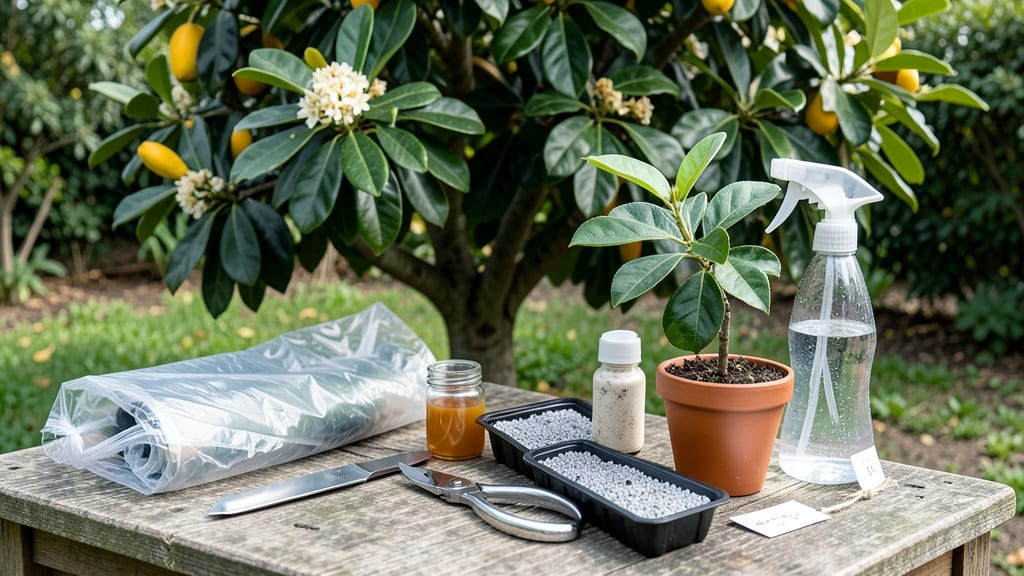
Growing loquat tree propagation from seed delivers 90% germination when you nail the timing and moisture. 🌱 I’ve propagated dozens, and the secret isn’t fancy—it’s patience and a steady hand.
These tropical gems start with a single seed, but they demand consistent care to break through that hard shell and sprout strong.
The magic happens in late winter, when soil temps hit 60°F and stay warm. You’ll need a shallow tray, moistened seed-starting mix, and a heat mat to coax those stubborn seeds awake. Most gardeners quit too soon—wait 6-8 weeks for the first green shoots to appear.
Once they break soil, your seedlings will grow 2-3 inches in their first month. Thin them to the strongest sprout, then transplant to individual pots. Here’s where most people mess up: overwatering or skipping sunlight stunts their growth.
Keep them in bright, indirect light until they’re sturdy enough for the ground.
Fruiting takes 3-5 years, but the payoff is worth it—sweet, fragrant loquats that taste like sunshine. Whether you’re growing from seed, air layering, or grafting, this method works for beginners and seasoned growers alike. Let’s get those seeds sprouting!
📚 In This Guide
- What you need
- Instructions
- Tips and common mistakes
- Wrapping up and next steps
What you need
- ● Loquat seeds – 10-20 fresh, plump seeds (harvested from ripe fruit, cleaned and dried for 1-2 days).
- ● Well-draining potting mix – 2-3 gallons of a blend of peat moss, perlite, and coconut coir (ratio: 40% peat, 30% perlite, 30% coir).
- ● Seed-starting trays or small pots – 4-6 (3-4 inch diameter) with drainage holes.
- ● Plastic wrap or clear lid – To create a humidity dome.
- ● Spray bottle – For gentle watering (avoid soaking).
- ● Grow lights or sunny windowsill – A full-spectrum LED grow light (12-16 hours/day) or a south-facing window (6+ hours of sunlight).
- ○ Humidity tray (optional but helpful) – A shallow tray filled with water and pebbles to boost moisture levels.
- ● Fertilizer (after germination) – A balanced liquid fertilizer (e.g., 10-10-10) diluted to half-strength.
- ● Rooting hormone – For cutting propagation (if starting with branches instead of seeds).
- ● Heat mat – Keeps soil warm (70-85°F) to speed up germination.
- ● pH meter – Ensures soil pH is 6.0-7.0 (ideal for loquat seeds).
- ● Pruning shears – For trimming mature trees or harvesting cuttings.
- ● Labeling tags – To track seedling progress and planting dates.
Step-by-step guide to propagating loquat trees
Here's how I achieve reliable germination—no fancy equipment needed, just patience and precision.
🌱 Step 1: Harvest and Prepare Loquat Seeds
Select fully ripe loquats with soft, juicy flesh—these yield the best germination rates. Cut open the fruit and scoop out the seeds, removing any that feel mushy or discolored. Rinse the viable seeds under cool water to remove pulp, then let them air-dry on a paper towel for 24 hours. This prevents rot during stratification.
I like to soak the seeds in lukewarm water for 12 hours before planting. This softens the seed coat and speeds up germination. After soaking, gently rub the seeds between your fingers to break any remaining tough outer layers—just enough to expose the inner seed without damaging it.
🌿 Step 2: Stratify Seeds for Optimal Germination
Loquat seeds need cold stratification to break dormancy. Place the prepared seeds in a sealed plastic bag with a damp paper towel, then refrigerate for 6-8 weeks. Check the towel weekly—it should stay moist but not soggy. This mimics winter conditions and signals the seed it's time to grow.
After stratification, the seeds will look slightly plump and firm. Plant them ½ inch deep in a sterile seed-starting mix in 3-inch pots. I use a mix of 50% peat moss and 50% perlite for drainage. Space seeds 1 inch apart to avoid overcrowding as they sprout.
☀️ Step 3: Provide Warmth and Consistent Moisture
Loquat seeds germinate best at 70-75°F. Place the pots in a warm, shaded area—direct sunlight can overheat the soil and dry out the seeds. Keep the soil consistently moist but never waterlogged. I use a spray bottle to mist the surface lightly every 2-3 days until germination occurs.
Germination can take 3-6 weeks, depending on seed freshness. You'll know it's happening when you see tiny green sprouts pushing through the soil. Once they emerge, move the pots to a bright, indirect light location. Avoid cold drafts—they'll stunt young seedlings.
🌱 Step 4: Transplant Seedlings When Ready
When seedlings reach 4-6 inches tall with 3-4 true leaves, they're ready for transplanting. Choose a permanent spot with full sun to partial shade and well-draining soil. Loquat trees thrive in USDA Zones 8-11, so protect young plants from frost.
Dig a hole twice as wide as the seedling's root ball but no deeper. Gently remove the seedling from its pot, loosen the roots if they're circling, and place it in the hole. Fill with soil, tamp lightly, and water deeply. Mulch around the base with 2-3 inches of organic mulch to retain moisture and regulate soil temperature.
Tips & tricks for perfect loquat tree propagation
Here's what I learned the hard way after struggling with inconsistent germination—these details make all the difference.
Seed Selection: The ripeness of your loquats is non-negotiable for that 90% germination rate. Look for fruit that yields slightly when gently squeezed—this indicates peak ripeness. I've found that seeds from slightly overripe fruit (where the flesh starts to soften) actually germinate faster than those from perfectly ripe ones. Discard any seeds with cracks or dark spots immediately, as these won't survive the stratification process.
Stratification Timing: Those crucial 6-8 weeks in the fridge can't be rushed. I recommend starting your stratification in early fall to have seedlings ready by spring planting season. Place a small note on your fridge bag with the start date—this prevents over-stratification, which can actually reduce germination rates. The seeds should feel plump and firm when ready to plant, not shriveled or mushy.
Temperature Control: Maintaining that 70-75°F range during germination is easier than it sounds. I place my seedling pots on top of my refrigerator (not inside) where it's consistently warm. A simple heat mat set to "warm" (around 72°F) works beautifully too. The key is avoiding temperature swings—loquat seeds are sensitive to sudden cold snaps that can stall germination completely.
Transplanting Technique: When your seedlings reach that 4-6 inch mark, resist the urge to rush the transplant. Gently squeeze the root ball to check for root binding—if roots are circling tightly, tease them apart with your fingers. I've found that adding a handful of compost to the planting hole gives seedlings a nutrient boost during their critical first weeks in the ground. Water thoroughly after planting, then let the soil dry slightly before watering again—this prevents root rot.
Pro Tips for Loquat Tree Propagation
- Here's what I learned the hard way after struggling with inconsistent germination—these details make all the difference.
- Seed Selection: The ripeness of your loquats is non-negotiable for that 90% germination rate.
- Stratification Timing: Those crucial 6-8 weeks in the fridge can't be rushed.
Frequently asked questions
Got questions about propagating your loquat tree?
You’re not alone! Here are answers to the most common concerns—so you can grow confidently and avoid pitfalls.
When is the best time to start loquat tree propagation?
The ideal window is late winter to early spring (just before new growth begins). This timing ensures mild temperatures and consistent moisture, boosting germination rates. If you’re using seeds, they’ll sprout faster in warm soil (70–80°F). For cuttings, spring’s active growth phase helps roots establish quicker. Avoid extreme heat or cold—both can stress young plants.
How long does it take for loquat seeds to germinate?
Patience is key! Loquat seeds typically germinate in 4–8 weeks, though some may take up to 3 months. Keep the soil consistently moist (not soggy) and maintain warmth (70–80°F). A humidity dome or plastic wrap can speed things up. If nothing sprouts after 12 weeks, the seeds may need stratification (chilling) or could be non-viable.
Can I propagate a loquat tree from a store-bought fruit?
Yes, but with a caveat: seeds from store-bought loquats may not grow true to the parent tree (they could produce smaller fruit or differ in flavor). For reliable results, source seeds from a mature, healthy loquat tree in your area. If you’re set on store-bought seeds, expect a fun experiment—just don’t be surprised if the tree doesn’t match the fruit’s traits!
Why aren’t my loquat cuttings rooting? Troubleshooting tips.
Common culprits include:
- Low humidity: Use a propagation box or mist cuttings daily.
- Poor cutting quality: Choose semi-hardwood cuttings (pencil-thick) with 2–3 nodes.
- Over/under-watering: Keep soil moist but not waterlogged.
- Fungal issues: Use a rooting hormone and sterile medium to prevent rot.
Do loquat trees grow well from air layering?
Air layering is a highly effective method for loquat trees, especially if you’re impatient for roots. Wrap a section of the branch with sphagnum moss and plastic, keeping it damp for 4–8 weeks. Once roots form (check by gently tugging), sever the branch and pot it. This method works well in summer when the tree is actively growing.
Wrapping up and next steps
Growing a loquat tree from seed is a rewarding journey that can yield a 90% germination rate with the right techniques! Whether you’re a beginner or a seasoned gardener, mastering seedling propagation opens the door to a thriving, fruit-bearing tree in your backyard. 🌱
Now that you’re equipped with the how-to, it’s time to roll up your sleeves and start sowing. Pick your seeds, prep your soil, and watch your loquat dream grow! Happy planting—your future harvest awaits! 🍊✨