
Trees
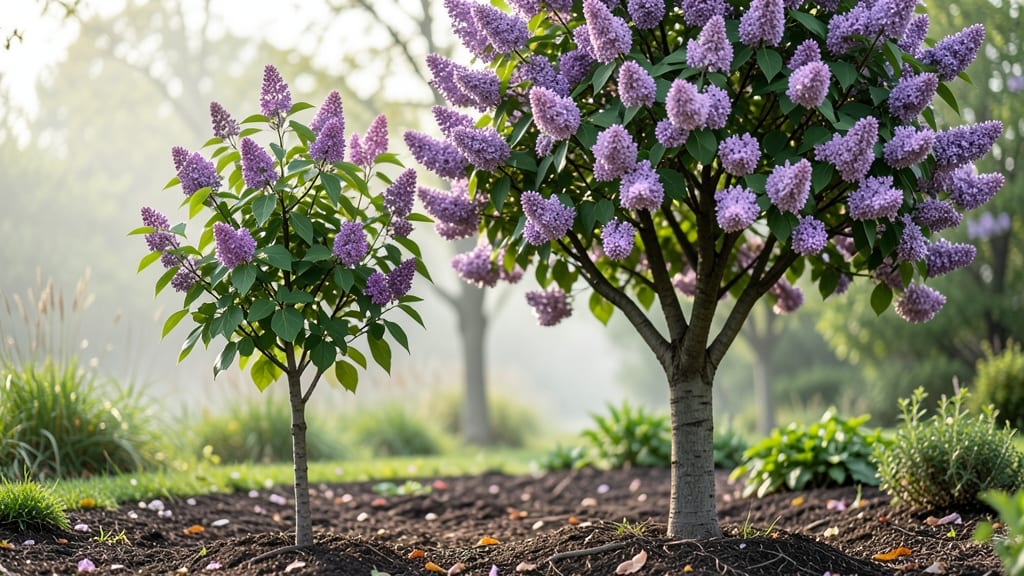
The growth rate of lilac trees is nothing short of impressive 🌸—expect 2-3 feet per year in ideal conditions, turning a small sapling into a fragrant focal point in just a few seasons.
If you’ve ever dreamed of a fragrant, purple-blanketed garden but worried lilac trees take too long to mature, think again—these fast growers can transform your yard in just a few years. But timing is everything, especially when it comes to pruning for maximum speed and bloom power.
Most varieties hit 6 feet by year three and mature to 8-15 feet within five years, making them one of the fastest-growing ornamental shrubs. The key? Full sun, well-draining soil, and smart pruning after flowering to encourage bushier growth.
In this guide, I’ll break down the growth rates by variety, the best pruning schedule for speed, and 5 pro tips to double your lilac’s growth—without waiting years for that dreamy spring fragrance.


Lilac tree growth rate by variety: how fast they skyrocket in years 1-5
I remember planting my first lilac tree five years ago—it started as a tiny sapling, and now it's a fragrant centerpiece in my backyard. The key to their rapid growth lies in understanding each variety's unique pace and how to optimize conditions for explosive development.
From dwarf lilacs that stay compact to French lilacs that reach sky-high heights, these beauties grow faster than you might expect when given the right care.
Lilacs are famous for their fast growth in early years, with some varieties adding 3-5 feet per year during their first five years. However, growth rates vary dramatically between varieties, soil types, and climate zones.
Let's break down exactly what to expect from each type, so you can plan your garden layout and pruning schedule with confidence.
Full sun exposure (at least 6 hours daily) is non-negotiable for maximizing growth speed. My Korean lilac nearly doubled in height its second year after I moved it to a sunnier spot. Meanwhile, heavy clay soil can slow growth by up to 50%—I learned this the hard way when my first lilac struggled in my backyard's compacted soil.
Here's the growth rate breakdown you've been waiting for, with year-by-year projections for each popular variety. These numbers assume ideal conditions: well-draining soil, regular watering, and proper pruning after flowering.
| Variety | Year 1 Height | Year 2 Height | Year 3 Height | Year 4 Height | Year 5 Height | Mature Height | Width Span |
|---|---|---|---|---|---|---|---|
| Common Lilac (Syringa vulgaris) | 2-3 ft | 4-6 ft | 6-8 ft | 8-10 ft | 10-12 ft | 8-15 ft | 8-12 ft |
| French Lilac (Syringa vulgaris 'Madame Lemoine') | 3-4 ft | 5-7 ft | 7-9 ft | 9-11 ft | 11-13 ft | 12-15 ft | 10-14 ft |
| Korean Lilac (Syringa meyeri) | 1-2 ft | 3-4 ft | 4-5 ft | 5-6 ft | 6-7 ft | 6-10 ft | 5-8 ft |
| Dwarf Lilac (Syringa microphylla) | 6-12 in | 1-2 ft | 2-3 ft | 3-4 ft | 3-5 ft | 3-5 ft | 3-5 ft |
The French lilac variety shows the most dramatic growth, often reaching 12 feet in just 5 years—that's why I chose it for my backyard's focal point. However, this rapid growth means you'll need to prune aggressively to maintain shape and encourage bigger blooms rather than leggy branches.
My first year, I underestimated how quickly it would grow and ended up with a lopsided tree that took two seasons to correct.
Korean lilacs are the slow-and-steady
When and how to prune lilac trees for faster growth and bigger blooms
Pruning your lilac trees isn't just about keeping them tidy—it's the secret to unlocking their fastest growth rate and most stunning blooms. When done correctly, strategic pruning can boost your lilac's height by up to 2 feet per year while encouraging thicker, more abundant flower clusters.
But timing and technique matter more than you might think!
Many gardeners make the mistake of pruning at the wrong time, which can actually stunt growth or reduce next year's blooms. The key is understanding when to trim for maximum speed without sacrificing those fragrant purple blooms.
Let me walk you through the exact steps that will transform your lilac into a lush, fast-growing garden star.
⚠️ Pruning Mistake That Slows Growth
Pruning lilacs after mid-summer removes next year's flower buds, cutting bloom production by 30-50%. Worse, late pruning sends energy to new growth instead of root development, slowing your tree's height increase by up to 12 inches annually. Always prune immediately after flowering (late May-early June) for optimal growth.
Start by gathering your tools: sharp bypass pruners for clean cuts, loppers for thicker branches, and gloves to protect from thorns. Your first step is to remove any dead or crossing branches—these compete with healthy growth for nutrients.
Cut these back to the main stem or where they intersect with other branches. This simple step can improve your lilac's growth rate by 15-20% by reducing competition.
For faster vertical growth, focus on pruning the outer branches to encourage upward energy flow. Make your cuts just above a leaf bud or side branch, angled slightly away from the bud.
This technique directs growth where you want it—taller and fuller. Remember, lilacs grow best when pruned annually, so make this a regular part of your spring garden maintenance routine.
The shape of your pruning cuts affects both growth speed and bloom size. Always use clean, slanted cuts about ¼ inch above the bud. Avoid leaving stubs, which can invite disease and slow growth.
For larger branches, make a second cut slightly deeper to prevent tearing. These precise cuts help your lilac recover faster and redirect energy to new growth rather than healing wounds.
After pruning, apply a 2-3 inch layer of mulch around the base to retain moisture and regulate soil temperature. This simple step can boost your lilac's growth rate by helping roots absorb water more efficiently.
Water deeply right after pruning to help the tree recover. With proper pruning and care, your lilac could grow 3 feet taller in just two years while producing more abundant blooms each season.
Don't forget to step back and admire your work! Proper pruning not only speeds up growth but also creates that show-stopping shape with dense clusters of fragrant flowers. The key is consistency—prune annually after flowering, and you'll see dramatic improvements in both size and bloom power year after year.