
Pruning
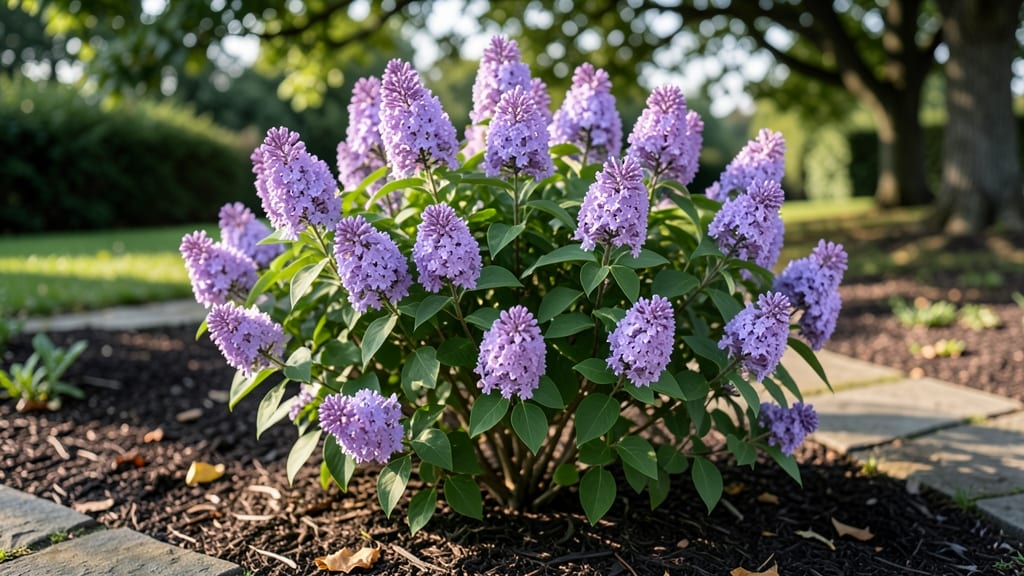
Dwarf lilac trees bring that classic fragrance to tiny spaces without the sprawl. 🌸 I planted mine last spring in a large container, and now it’s bursting with blooms while barely taking up 3 feet of space.
These compact beauties thrive where full-sized lilacs would flop—think balconies, small yards, or even sunny windowsills. They love full sun but tolerate partial shade, and their soil needs are simple: well-draining, slightly alkaline mix.
Water them deeply once a week (more in heatwaves), and you’ll see those signature purple clusters return every spring. The key to keeping them blooming? Pruning right after flowering—just trim back any dead wood or overgrown branches.
By midsummer, your dwarf lilac will be a fragrant, low-maintenance centerpiece that neighbors will envy. The scent alone makes it worth the effort, but the way it fits into any space? That’s the real magic. Perfect for small gardens, patios, or even as a striking container plant.
📚 In This Guide
- What you need
- Instructions
- Tips and common mistakes
- Wrapping up and next steps
What you need
- ● Dwarf Lilac Tree: Choose a Syringa meyeri (like 'Palibin' or 'Tiny Wine') or other dwarf cultivar (3–6 ft mature height).
- ● Container (if potted): 15–20 gallon pot with drainage holes (or in-ground planting spot with well-draining soil).
- ● Potting Mix: 1 bag (1–2 cubic feet) of high-quality well-draining mix (e.g., 60% garden soil, 30% compost, 10% perlite/sand).
- ● Pruning Tools: 1 pair bypass pruners (sharp, clean, for clean cuts).
- ● 1 pair hand pruners (for smaller branches).
- ○ 1 pruning saw (optional, for thicker stems).
- ● Gloves: 1 pair gardening gloves (to protect from thorns and sap).
- ● Mulch: 2–3 cubic feet of organic mulch (e.g., shredded bark or wood chips).
- ● Fertilizer: 1 bag of balanced, slow-release fertilizer (10-10-10 or similar).
- ● Watering Can/Hose: With a gentle spray nozzle for post-planting care.
- ● 1 tree collar (to protect the base from damage).
- ● 1 plant support stake (if planting in windy areas).
- ● Pruning sealant (for large cuts, though dwarf lilacs often heal without it).
- ● Slow-release fertilizer spikes (for potted varieties).
- ● Decorative stones or gravel (for a polished container look).
How to plant and care for a dwarf lilac tree
Small spaces can still enjoy fragrant blooms with these compact, low-maintenance trees.
🌱 Step 1: Choose the Right Location and Prepare the Soil
Dwarf lilacs thrive in full sun—at least 6 hours of direct sunlight daily. I always pick the sunniest spot in my yard because these trees reward good light with the most abundant blooms. Avoid areas where water pools after rain, as soggy soil leads to root rot.
Loosen the soil to a depth of 12 inches and mix in a handful of organic compost. Dwarf lilacs prefer well-draining soil with a slightly alkaline pH (around 6.5-7.5). If your soil is heavy clay, amend it with coarse sand or perlite to improve drainage. Test the soil moisture—it should feel damp but not wet when you squeeze it.
🪴 Step 2: Plant the Dwarf Lilac at the Correct Depth
Dig a hole twice as wide as the root ball but only as deep as the container it came in. This prevents burying the trunk too deeply, which can suffocate the plant. Gently remove the lilac from its container and tease apart any circling roots with your fingers—this encourages outward growth.
Place the tree in the hole so the top of the root ball sits 1 inch above ground level. Fill the hole with soil, pressing lightly to remove air pockets. Water deeply right after planting to settle the soil around the roots. You’ll know it’s right when water drains evenly without pooling at the base.
☀️ Step 3: Water and Mulch for Healthy Growth
Keep the soil consistently moist for the first 2-3 weeks after planting, watering whenever the top 1-2 inches of soil feel dry. After that, reduce watering to once a week, unless your area experiences extreme heat or drought. Overwatering is the biggest mistake—yellowing leaves often signal too much moisture.
Apply a 2-inch layer of mulch around the base, keeping it 3 inches away from the trunk to prevent rot. I use shredded bark or wood chips because they break down slowly and improve soil structure over time. Mulch helps retain moisture and keeps roots cool during hot summers.
✂️ Step 4: Prune for Shape and Encourage Blooms
Prune your dwarf lilac immediately after it finishes flowering in late spring. This timing ensures you don’t cut off next year’s blooms, which form on old wood. Remove any dead, diseased, or crossing branches first—these compete with healthy growth. Use clean, sharp pruners to make cuts just above a leaf bud or branch junction.
To shape the tree, trim back any overly long branches by one-third of their length. Avoid heavy pruning—dwarf lilacs bloom best when lightly shaped. You’ll see new growth within 2-3 weeks, and the tree will fill out more evenly with each passing season.
🌿 Step 5: Fertilize and Monitor for Pests
Feed your dwarf lilac in early spring with a balanced, slow-release fertilizer (like 10-10-10). Sprinkle the granules around the root zone and water them in. Avoid high-nitrogen fertilizers—they promote leafy growth at the expense of flowers. I fertilize again in mid-summer if the tree looks tired, but never after early fall.
Check the leaves regularly for signs of pests like aphids or spider mites. A strong blast of water usually knocks off aphids, while neem oil treats mites effectively. If you spot chewed leaves, deer or rabbits might be visiting—apply a natural repellent or install a protective barrier if needed.
Tips & tricks for perfect dwarf lilac planting
These simple strategies will help you get the most out of your compact lilac tree while avoiding common pitfalls that can stunt its growth or reduce blooms.
Sunlight Matters: The 6 hours of direct sunlight mentioned in Step 1 is non-negotiable for vibrant blooms. If your yard has partial shade, position your dwarf lilac where it gets the most sun possible—even just a few hours less can result in fewer flowers. I've seen firsthand how trees in shaded spots produce half as many blooms compared to their sun-soaked counterparts. Consider placing it near a south-facing wall or fence that reflects additional light.
Soil Prep Secret: When loosening soil to 12 inches deep in Step 1, don't just scratch the surface—really work that compost into the lower layers. Dwarf lilacs have shallow roots, so the improved drainage and nutrients need to be throughout their entire root zone. If you're dealing with heavy clay, mix in equal parts of coarse sand or perlite with the compost to create that perfect well-draining texture. This one change can prevent root rot that often plagues newly planted trees.
Planting Depth Check: That 1-inch above ground level positioning in Step 2 is critical—it's easy to bury the trunk too deeply without realizing it. After planting, gently pull up on the tree to ensure it doesn't wiggle loose. If it does, you've buried it too deeply. The trunk should sit proud above the soil line, which prevents moisture from collecting and rotting at the base. This simple check can save your tree from potential disease.
Pruning Precision: When trimming back branches by one-third of their length in Step 4, focus on creating an open center rather than just cutting random growth. This open structure allows sunlight to penetrate to the inner branches, encouraging more blooms throughout the tree. I always make my cuts just above a leaf bud that faces outward—this directs new growth where you want it, creating a fuller, more balanced shape over time.
Pro Tips for Lilac Tree Dwarf
- These simple strategies will help you get the most out of your compact lilac tree while avoiding common pitfalls that can stunt its growth or reduce blooms.
- Sunlight Matters: The 6 hours of direct sunlight mentioned in Step 1 is non-negotiable for vibrant blooms.
- Soil Prep Secret: When loosening soil to 12 inches deep in Step 1, don't just scratch the surface—really work that compost into the lower layers.
Frequently asked questions
Got questions about your lilac tree dwarf? You’re not alone!
Whether you're a first-time grower or a seasoned gardener, these answers will help you care for your compact lilac with confidence. Let’s dive in!
How do I know if my dwarf lilac is healthy?
A healthy dwarf lilac has vibrant green leaves, sturdy stems, and no signs of pests like aphids or spider mites. Yellowing leaves may indicate overwatering or nutrient deficiency, while drooping branches could signal underwatering. Prune dead or diseased wood promptly to keep it thriving!
When is the best time to prune a dwarf lilac?
Prune your dwarf lilac right after flowering (late spring to early summer) to encourage bushier growth. Avoid heavy pruning in fall or winter, as it removes next year’s flower buds. Light shaping is fine, but save major cuts for spring!
Can a dwarf lilac grow in a container?
Dwarf lilacs are perfect for containers—just use a pot at least 12–18 inches wide with drainage holes. Choose a well-draining potting mix and place it in full sun. Repot every 2–3 years to refresh the soil and prevent root-bound stress.
Why isn’t my dwarf lilac blooming?
Lack of blooms often stems from over-pruning (cutting back too late in the season) or poor sunlight. Ensure it gets 6+ hours of sun daily and prune only after flowering. Fertilize lightly in early spring with a balanced, low-nitrogen formula to boost blooms.
What’s a good alternative if I want a smaller flowering shrub?
If dwarf lilacs aren’t your style, consider dwarf butterfly bush (Buddleia), compact viburnum, or miniature hydrangeas. These also thrive in small spaces and offer fragrant blooms with minimal upkeep. Just match your climate and sunlight needs!
Wrapping up and next steps
Growing a lilac tree dwarf is a fantastic way to bring fragrant beauty to small spaces without sacrificing charm! With the right pruning techniques, you’ll enjoy lush blooms and a well-shaped tree that thrives in containers or tight gardens.
Whether you’re a beginner or a seasoned gardener, these tips will help you nurture your dwarf lilac into a stunning centerpiece.
Ready to transform your outdoor space? Start by assessing your tree’s needs—pick up those pruners and get pruning! 🌿✨