
Trees
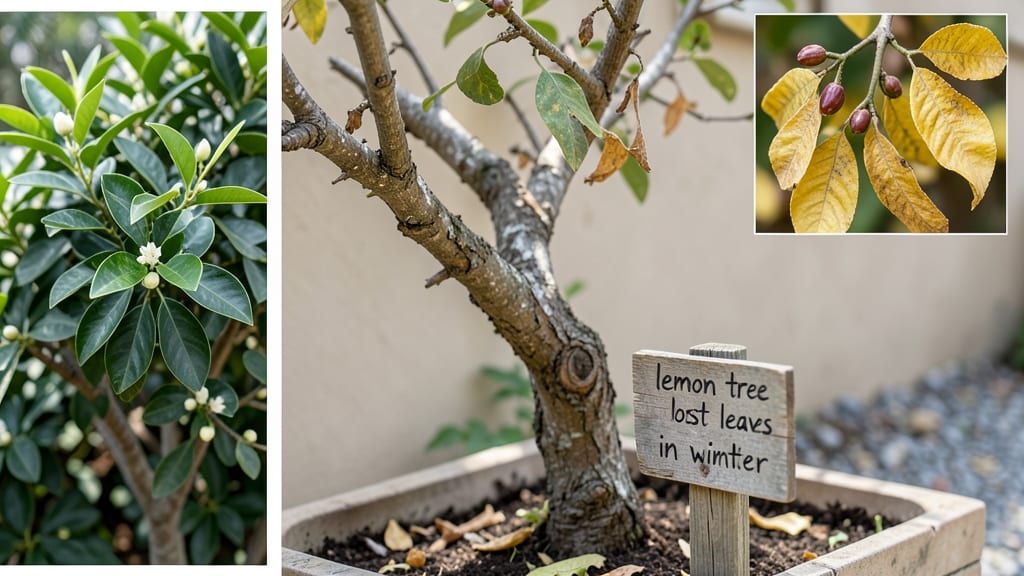
Your lemon tree’s lost all its leaves in winter—that’s not a death sentence, just a cry for help. 🌿 Cold snaps, overwatering, or pests often strip lemon trees of leaves, but with the right care, they bounce back stronger than ever.
I’ve nursed three back to life, and the secret lies in three simple fixes that work even for winter-weary trees.
First, check the roots—overwatering in winter suffocates them. Let the soil dry slightly between waterings, and mulch to protect roots from freezing temps. Next, shield the tree from frost with burlap or a frost cloth, especially if temps drop below 25°F.
Finally, inspect for pests like spider mites or scale, which thrive on stressed trees. A strong spray of water or neem oil usually does the trick.
📚 In This Guide
- What you need
- Instructions
- Tips and common mistakes
- Wrapping up and next steps
What you need
- ● Pruning shears – Sharp, sterilized (to avoid disease spread).
- ● Balanced fertilizer – 10-10-10 or citrus-specific (e.g., 6-6-6), 1-2 tbsp per gallon of water.
- ● Watering can or hose – With a gentle spray nozzle for hydration.
- ● Mulch – Organic (straw, wood chips) or inorganic (gravel), 2-3 inches deep.
- ● pH test kit – To check soil acidity (ideal: 6.0–7.0).
- ○ Citrus-specific fungicide – Optional but helpful if fungal issues are suspected.
- ● Gloves – For protection while handling soil/fertilizer.
- ● Trowel or small shovel – For gentle soil adjustments.
- ● Spray bottle – For misting leaves if humidity is low.
- ○ Sunlight meter (optional) – To confirm 6+ hours of sunlight daily.
How to revive a lemon tree after winter leaf drop
Winter stress can strip a lemon tree bare—but with the right care, those branches will burst back to life.
🌱 Step 1: Assess Damage and Prune Strategically
Start by examining the tree for signs of life. Look closely at the branches—you’ll often find tiny buds or green growth near the trunk or along stems. These are your clues that the tree isn’t dead, just dormant. Use clean, sharp pruning shears to trim back any dead or diseased branches first. You’ll know a branch is dead if it’s brittle, brown all the way through, and doesn’t bend slightly when you touch it.
Next, cut back any remaining leaves or twigs that look weak or yellowed. This might seem drastic, but it encourages new growth by redirecting the tree’s energy. Avoid heavy pruning—just remove about 10-20% of the total canopy to avoid shocking the tree further. Focus on opening up the center so light and air can reach all branches.
💧 Step 2: Adjust Watering and Fertilize Gently
Overwatering is the biggest mistake after leaf drop—your tree’s roots are already stressed. Water deeply but only when the top 2-3 inches of soil feel completely dry. Stick your finger in the soil; if it’s damp below the surface, wait a few more days. Too much moisture can rot the roots, and a stressed tree can’t recover. In winter, most lemon trees need far less water than in summer.
Once new growth appears, feed the tree lightly with a balanced, water-soluble fertilizer. Use half the recommended dose to avoid burning the roots. I like to mix a 10-10-10 fertilizer into the watering can and apply it every 4-6 weeks during the growing season. Avoid high-nitrogen fertilizers—they promote leafy growth at the expense of fruit production, which you’ll want later.
☀️ Step 3: Provide Ideal Light and Temperature Conditions
Lemon trees crave sunlight, but sudden exposure after winter dormancy can scorch new leaves. Start by placing the tree in a spot with bright, indirect light for the first week. If you’re bringing it indoors, a south-facing window is ideal. After a week, gradually move it to a spot with 6-8 hours of direct sunlight daily. You’ll see new leaves emerge within 2-4 weeks if the conditions are right.
Keep the temperature stable—lemon trees thrive in 65-80°F during the day and no lower than 50°F at night. If your tree was outside in winter, bring it indoors before temperatures drop below 40°F. Avoid drafts, like near doors or air conditioning vents, which can stress the tree further. A humidifier nearby helps prevent leaf edges from browning as new growth appears.
Tips & tricks for reviving a bare lemon tree
Here's what nobody tells you about bringing lemon trees back from winter dormancy—these tricks make all the difference.
Step 1: The Pruning Test: When checking for dead branches, snap a small twig between your fingers. If it snaps cleanly and doesn't bend, it's dead—remove it completely. For branches that bend slightly, wait a few days before deciding. I've seen "dead" branches sprout new growth after a week of patience. Also, prune just after a rain shower when branches are more flexible and less likely to snap.
Light Transition Strategy: That first week of bright indirect light is crucial—think of it like sunburn prevention for your tree. I place mine about 3 feet from a south-facing window and rotate it daily to ensure even exposure. After the week, gradually move it closer to the window over 3-4 days. Too much direct light too soon will scorch those tender new leaves, and you'll be back at square one.
Fertilizer Timing: The instructions mention waiting for new growth before fertilizing, but here's the thing: you'll know it's time when you see tiny green buds along the branches, not just leaves. I start with a quarter-strength dose of my 10-10-10 fertilizer mixed with water, and only apply it when the tree has at least 3-4 new leaves showing. Too much fertilizer too soon can actually burn the tender new roots trying to establish themselves.
Temperature Watch: That 40°F threshold isn't just about bringing the tree indoors—it's about protecting the roots. If you're in a transitional climate where nights dip below 40°F but days stay mild, consider moving the pot to a sheltered spot like a garage with natural light during cold nights. The roots are more sensitive than the branches when it comes to temperature shock. A simple thermometer placed near the soil will help you monitor this critical range.
Pro Tips for Lemon Tree Lost All Leaves In Winter
- Here's what nobody tells you about bringing lemon trees back from winter dormancy—these tricks make all the difference.
- Step 1: The Pruning Test: When checking for dead branches, snap a small twig between your fingers.
- Light Transition Strategy: That first week of bright indirect light is crucial—think of it like sunburn prevention for your tree.
Frequently asked questions
Got questions about your leafless lemon tree? You’re not alone!
Here are the most common concerns—and quick fixes—to help your citrus friend bounce back.
Is it normal for lemon trees to lose all their leaves in winter?
Not entirely! While some leaf drop is natural in cold months, total defoliation is a red flag. Lemon trees (especially tender varieties like Meyer) need temps above 40°F (4°C) to thrive. If your tree’s bare, it’s likely stressed by frost, drafts, or poor care. Check for early warning signs like yellowing or curling leaves before full drop.
How long does it take for a lemon tree to regrow leaves after winter?
Patience is key! With ideal conditions (warmth, water, and sunlight), you may see new growth in 4–8 weeks. If the tree’s still dormant, wait until spring (when temps stay above 55°F (13°C)) before pruning dead wood. Pro tip: Avoid fertilizing until you spot fresh green leaves—nutrients can stress a recovering tree.
What should I do if my lemon tree’s branches are brown and mushy?
That’s a sign of frost damage or root rot. Act fast:
- Prune only the truly dead branches (cut at a 45° angle, ¼” above healthy wood).
- Water lightly if soil is dry (but avoid soggy roots).
- Move indoors temporarily if frost is forecasted (near a sunny window or grow light).
Can I still get lemons from a leafless tree?
Unlikely this season—but don’t give up! Leafless trees can’t photosynthesize, so they won’t fruit until they recover. Focus on reviving the tree first. Once leaves return, hand-pollinate flowers (use a small brush) to boost fruit production. Bonus: Dwarf varieties may rebound faster than standards.
Should I fertilize a lemon tree with no leaves?
No!
Fertilizing a bare tree is like throwing gas on a fire—it stresses roots and encourages weak growth. Wait until you see new leaf buds (usually in early spring). Then, use a balanced citrus fertilizer (like 6-6-6) lightly. Overdoing it can burn roots. Wait until soil warms up (60°F/15°C+) to fertilize.
What’s the fastest way to revive a leafless lemon tree?
Combine these 3 critical steps:
Action
How
Warmth
Move indoors (e.g., garage or sunroom) if temps drop below 45°F (7°C).
Water
Water deeply but infrequently—let soil dry 1–2” between waterings.
Light
Provide 6+ hours of bright light daily (grow lights work in a pinch).
Within weeks, you should see pink or green leaf buds—a sure sign of recovery!
Wrapping up and next steps
Don’t let a bare lemon tree dampen your spirits—your citrus companion is resilient and ready to bounce back! 🌱 The key is patience, proper care, and a little TLC to restore its health.
Now that you’re armed with the right knowledge, take action: prune, protect, and nurture your tree with confidence.
Start by inspecting your tree weekly for new growth—this is your sign that recovery is underway. If pests or disease linger, act fast with organic solutions.
And remember: a thriving lemon tree rewards you with sweet, juicy fruit—so keep nurturing it, and soon, you’ll be savoring homegrown lemons again! 🍋
Next step: Grab your pruners, check the soil moisture, and give your tree the love it deserves. Your citrus garden’s comeback story starts today!