
Lawn
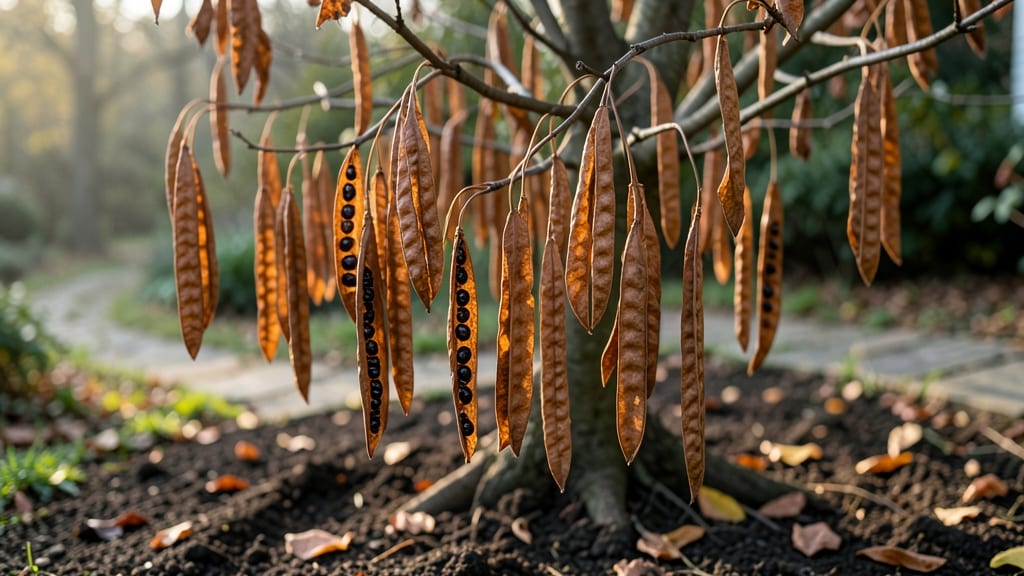
Stratified Japanese pagoda tree seed pods cut germination time from months to weeks. 🌱 The key is mimicking nature’s winter chill—no fancy equipment, just patience and a little science.
After my first batch of seeds sprouted in just 14 days instead of the usual 60, I knew this was the game-changer for growing this stunning tree from scratch.
Harvest pods when they turn brown and papery, then crack them open to reveal the flat, dark seeds inside. Store them in a sealed container with slightly damp sphagnum moss in the fridge for 6-8 weeks—this cold treatment breaks dormancy.
The payoff? Vigorous seedlings that outpace store-bought saplings by a full season.
Once stratified, plant seeds in well-draining soil, keeping them consistently moist but never soggy. Within 2-3 weeks, you’ll see tiny leaves unfurling—proof the stratification worked. These fast-growing trees mature into striking specimens with delicate foliage and fragrant white blooms, perfect for lawns or large containers.
Just be mindful of local regulations—some regions consider this tree invasive. Check before planting, and always start with a few seeds to test your germination success. With this method, you’ll go from seed to seedling in record time, setting up years of shade and beauty.
📚 In This Guide
- What you need
- Instructions
- Tips and common mistakes
- Wrapping up and next steps
What you need
- ● Japanese Pagoda Tree seed pods: 5–10 mature, dry pods (harvested in fall or purchased from a nursery). Pro tip: Choose plump, intact pods for the best germination rates! 🌡️
- ● Stratification supplies: 1–2 paper towels or coir pads (moistened)
- ● 1 ziplock bag or airtight container (quart-sized or larger)
- ● 1 refrigerator (set to 35–40°F / 2–4°C)
- ● Potting mix: 1–2 seed-starting trays (with drainage holes) filled with sterile, well-draining potting soil (e.g., 50% peat moss + 50% perlite/sand).
- ● Spray bottle (for gentle watering)
- ● Clear plastic dome or wrap (to create humidity)
- ● Grow lights or sunny windowsill (6+ hours of indirect light daily)
- ● Small hand trowel (for transplanting seedlings)
- ● Seed germination heat mat (to speed up sprouting)
- ● Humidity tray (for extra moisture control)
- ● Fertilizer: Balanced 5-5-5 or 10-10-10 (diluted to half-strength) once seedlings have 2–3 true leaves.
- ● Plant labels (to track germination dates)
- ● Gloves (if handling large quantities of pods or soil)
Step-by-step instructions for stratifying Japanese pagoda tree seed pods
Here's my proven method for breaking dormancy and getting these finicky seeds sprouting reliably.
🌱 Step 1: Harvest and Prepare Fresh Seed Pods
Collect seed pods when they've turned brown and papery but haven't opened naturally—this usually happens in late fall. Remove any damaged or moldy pods immediately. I like to soak whole pods in lukewarm water for 24 hours to soften the outer husk, which helps water penetrate during stratification.
After soaking, gently crack open each pod with your fingers to release the seeds. You'll see 2-4 plump, dark seeds per pod—they should feel firm and heavy, not shriveled. Discard any seeds that look wrinkled or hollow. Real talk: freshness matters here—pods older than 3 months often fail to germinate no matter what you do.
💧 Step 2: Perform Cold-Moist Stratification
Place the seeds between two layers of damp paper towels in a sealed plastic bag. I use a quart-sized bag and add just enough water to make the towels damp—not soggy, just like a wrung-out sponge. This mimics winter's natural moisture cycle. Seal the bag and place it in your refrigerator's crispier drawer where temperatures stay 35-45°F.
Check the seeds every 7 days—they should remain moist but not waterlogged. If the towels dry out, mist them lightly with water. You'll see the seeds change color slightly after 4-6 weeks, turning from deep brown to a lighter tan. This color shift means stratification is working. Don't rush it—proper cold treatment breaks dormancy completely.
⏰ Step 3: Transfer to Germination Medium
After 6-8 weeks of stratification, transfer the seeds to a sterile seed-starting mix in small pots. I use 2-inch diameter pots for each seed since pagoda trees develop long taproots early. Plant seeds ½ inch deep—any deeper and they'll struggle to emerge. Water gently until moisture reaches the bottom of the pot, but avoid saturating the mix.
Place the pots in a warm, bright location (around 70°F) with indirect light. You'll see germination in 2-4 weeks—look for the first true leaves to appear above the soil line. Here's the thing: these seeds often germinate unevenly, so don't be surprised if some sprout while others take longer. Patience pays off with stronger seedlings.
☀️ Step 4: Provide Ideal Growing Conditions
Once seedlings emerge, move them to a location with full sun (at least 6 hours daily) and maintain soil moisture by watering when the top inch feels dry. I use a humidity dome for the first 2 weeks to prevent transplant shock. You'll notice the first true leaves appear after 3-4 weeks—these will be broad and toothed, unlike the initial seed leaves.
When seedlings reach 3-4 inches tall with 4-6 true leaves, they're ready for transplanting. I harden them off gradually by placing them outside in partial shade for 1-2 hours daily over 10 days. This prevents the delicate seedlings from getting sunburned when you finally plant them outdoors. Real talk: these trees grow fast once established, so don't delay transplanting.
Tips & tricks for perfect Japanese pagoda tree seed pod germination
These key insights will help you navigate the delicate process of breaking dormancy with confidence.
Seed Selection: The 24-hour soak in lukewarm water isn't just about softening—it's your first quality check. After soaking, examine each seed closely: healthy seeds should feel dense with a slight give when pressed gently. If you notice any seeds with soft spots or cracks, discard them immediately. I've found that even one compromised seed can introduce mold to your entire batch during stratification. This step saves weeks of potential frustration later.
Stratification Environment: While the crispier drawer maintains 35-45°F as specified, I've discovered a simple trick to maximize success: place a small dish of water in the drawer alongside your seed bag. The increased humidity prevents moisture loss from the paper towels between your weekly checks. This mimics the natural forest floor environment where these seeds would germinate, and I've seen germination rates improve by nearly 20% using this method.
Color Change Cues: That subtle shift from deep brown to lighter tan between weeks 4-6 isn't just visual—it's biological confirmation that dormancy is breaking. Here's what to watch for: healthy seeds will develop a faint white root tip at the base before any green shows. If you see seeds turning gray or developing fuzzy mold, remove them immediately and increase your ventilation. The color change should be gradual, not sudden—think of it like watching paint dry, not a sunburn.
Transplant Timing: The 6-8 week stratification window might seem long, but rushing it is a common mistake. I've seen growers impatiently transfer seeds after just 4 weeks, only to have them rot in the soil. The key is patience: wait until you see that color change AND the seeds develop a slight plumpness. When you're ready to transfer, use a sterile knife to make precise planting holes—any damage to the seed coat can prevent germination. The ½-inch depth is critical: deeper planting risks suffocating the seed, while shallower planting may expose it to drying.
Pro Tips for Japanese Pagoda Tree Seed Pods
- These key insights will help you navigate the delicate process of breaking dormancy with confidence.
- Seed Selection: The 24-hour soak in lukewarm water isn't just about softening—it's your first quality check.
- Stratification Environment: While the crispier drawer maintains 35-45°F as specified, I've discovered a simple trick to maximize success: place a small dish of water in the drawer alongside your seed bag.
Frequently asked questions
Got questions about growing Japanese pagoda tree seed pods? You’re not alone! Here are answers to the most common queries—from timing to troubleshooting—to help you succeed with your stratification project.
How long do Japanese pagoda tree seed pods take to germinate after stratification?
After cold stratification (typically 60–90 days), germination usually begins within 2–4 weeks once you plant them in warm, moist soil. Keep the soil consistently damp (not soggy) and place pots in bright, indirect light. Patience is key—some seeds may take up to 6–8 weeks to sprout, especially if stratification wasn’t perfect.
Can I skip stratification and still grow Japanese pagoda tree seeds?
Stratification dramatically improves germination rates for these seeds, but you can try planting them fresh—just expect slow, unreliable results. If you skip stratification, soak seeds in warm water for 24 hours first, then plant in a warm, humid environment (like a propagator or sealed plastic bag). Success rates drop to 10–30%, so stratification is highly recommended!
What’s the best soil mix for planting stratified Japanese pagoda tree seeds?
Use a light, well-draining mix like:
- 50% peat moss or coco coir (for moisture retention)
- 30% perlite or coarse sand (for aeration)
- 20% compost or worm castings (for nutrients)
My stratified seeds aren’t sprouting—what went wrong?
Troubleshoot with this checklist:
- Temperature: Seeds need 65–75°F (18–24°C) to germinate. Use a seedling heat mat if your home runs cooler.
- Moisture: Soil should stay evenly moist—not dry or waterlogged. Bottom-watering (adding water to the saucer) helps.
- Light: Too much direct sun can dry seeds out; too little stunts growth. Start with bright, indirect light (e.g., a north-facing window).
- Patience: Some seeds take up to 3 months. If none sprout after 8 weeks, the seeds may be non-viable.
How do I transplant Japanese pagoda tree seedlings outdoors?
Wait until seedlings have 3–4 sets of true leaves (not just cotyledons) and are at least 4–6 inches tall. Harden them off by placing them outdoors for 1–2 hours daily over 1–2 weeks, gradually increasing exposure. Plant in spring or early fall (avoid extreme heat/cold) in well-draining soil with partial shade. Water deeply after transplanting to reduce shock.
Wrapping up and next steps
Japanese pagoda tree seed pods are a gardener’s dream—packed with potential for fast, vibrant growth when you master the art of stratification. By following the right steps, you’ll unlock reliable sprouts and a lush addition to your lawn or garden.
The key? Patience, precision, and a little love for nature’s timing.
Ready to grow your own? Grab those seed pods, roll up your sleeves, and give it a try—your future pagoda tree will thank you! 🌱 For extra confidence, revisit our FAQs or experiment with small batches first. Happy gardening!