
Trees
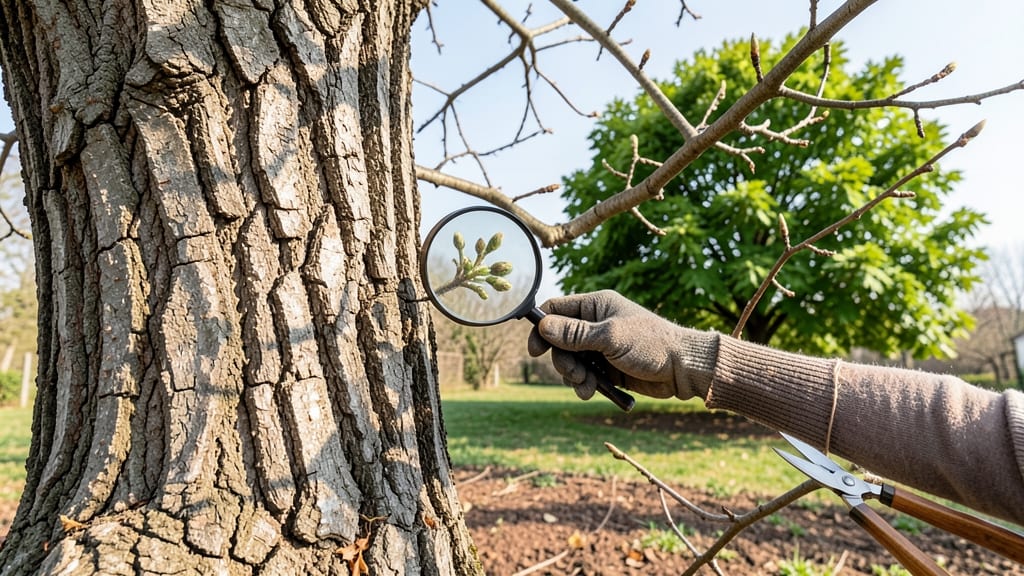
A leafless tree doesn’t always mean it is a tree dead if it has no leaves—it could just be taking a seasonal break. 🌳 I’ve seen this confusion play out in my own backyard, where my oak tree sheds every fall and has neighbors panicking.
The key? Understanding whether your tree is in winter dormancy or truly struggling.
Most trees lose leaves in winter to conserve energy, but some—like evergreens—keep theirs year-round. If the bark is dry and cracked or branches snap easily, that’s a red flag. Healthy trees have firm bark and flexible branches that bend slightly before breaking. Check these signs before assuming the worst.
Environmental stress, pests, or disease can also cause leaf loss, but these usually appear with other clues like discolored bark, oozing sap, or dead branches. When in doubt, wait until spring—new buds or leaves mean your tree is alive and kicking.
If it stays bare with no signs of life by late spring, it’s time to call an arborist.
This works for any climate, though drought-prone areas need extra vigilance. A little patience and observation can save you from prematurely mourning your trees—or worse, replacing them unnecessarily. Let’s break down what to look for next.
Natural Triggers Behind Leaf Loss
When a tree sheds its leaves, it’s often a survival strategy rather than a sign of death. Understanding the why behind this phenomenon helps distinguish between temporary dormancy and irreversible decline. Let’s break down the key factors that cause trees to lose their foliage—and whether they’re healthy or in trouble.
Most trees enter a state of dormancy in response to temperature drops, shorter daylight, and reduced water availability—classic cues of autumn and winter. This isn’t laziness; it’s a metabolic slowdown to conserve energy.
- Photosynthesis pause: As days grow shorter, trees like oaks, maples, and birches stop producing chlorophyll, causing leaves to turn color and detach. This frees up nutrients to store in roots and trunk for spring.
- Hormonal signals: Ethylene and abscisic acid hormones trigger leaf senescence (aging), weakening the connection between leaves and branches. Enzymes break down chlorophyll, revealing yellows and reds before abscission layers form at the stem.
- Water conservation: Evergreens (like pines) retain needles year-round, but deciduous trees drop leaves to avoid frost damage and reduce water loss through transpiration.
Actionable tip: If a tree loses leaves in fall/winter but retains buds and bark integrity, it’s likely dormant—not dead. Test for vitality by scratching the bark: green underneath means life persists!
Extreme or prolonged stress—from weather, pollution, or poor soil—can force a tree to shed leaves prematurely. Unlike dormancy, this is often a distress signal.
| Stressor | Mechanism | Signs of Trouble |
|---|---|---|
| Drought | Roots can’t absorb enough water, triggering abscisic acid to drop leaves and reduce water loss. | Wilting, crispy edges, no new growth in spring. |
| Frost or Freeze | Ice crystals form in leaf cells, rupturing them. Evergreens may lose needles if frostbite occurs. | Brown, brittle leaves; bark cracks or peels. |
| Pollution (Ozone/Sulfur Dioxide) | Toxic gases damage chlorophyll, causing premature leaf fall. Trees "sacrifice" leaves to protect core tissues. | Yellowing between veins, stunted growth, blackened leaf tips. |
| Poor Soil (Compacted/Depleted) | Nutrient or oxygen deficiency starves roots, limiting water/food transport to leaves. | Pale or purple leaves, slow regrowth after shedding. |
Pro tip: 💡 Mulch heavily (3–4 inches) around the base to insulate roots from temperature swings. For drought, water deeply once a week during dry spells—better than frequent shallow watering.
Pathogens and insects often attack trees stealthily, stripping them of leaves before symptoms become obvious. The key difference? Timing and accompanying damage.
- Fungal infections (e.g., anthracnose, powdery mildew):
- Fungi clog stomata (leaf pores), blocking gas exchange. Leaves turn brown and drop.
- Red flags: Black spots, moldy growth on undersides, or leaf curl.
- Bacterial leaf scorch:
- Bacteria (like Xylella fastidiosa) block water transport, causing margins to crisp and fall.
- Red flags: Scorched edges, wilting even with moist soil.
- Insect defoliators (gypsy moths, Japanese beetles):
- Caterpillars/beetles consume leaves, forcing trees to shed prematurely to conserve energy.
- Red flags: Skeletonized leaves, frass (insect droppings), or visible larvae.
Actionable fix: 🔥 Prune and dispose of infected leaves immediately (don’t compost!). For pests, apply neem oil or introduce natural predators like ladybugs. Severe cases may need systemic fungicides/insecticides.
Mechanical stress—from storms, animals, or human activity—can sever branches or damage vascular tissue, leading to leaf drop.
- Wind or hail: Tears leaves or breaks branches, exposing xylem (water-conducting tissue) to air, which gums up and blocks transport.
- Animal browsing: Deer or rabbits may strip leaves, while rodents chew bark, disrupting nutrient flow.
- Lawn equipment or construction: Root or trunk damage severs connections to foliage.
Recovery sign: If the tree sprouts new leaves within weeks and bark remains intact, it’s likely resilient. But if large limbs die back or ooze sap, the tree may be compromised.
Revive or Replace Your Tree
Determining whether a leafless tree is alive or dead is just the first step—now it’s time to take action.
Whether your tree is in winter dormancy, struggling from disease, or suffering from environmental stress, there are practical ways to nurse it back to health or decide when to let it go.
Below, we break down cause-specific solutions to help your tree thrive again (or make space for a new one).
Signs: Bark is intact, buds are firm, and the tree is in a deciduous species (like oak, maple, or birch).
What to Do: 🔥 Observe Before Acting
- Wait until late winter or early spring (when buds begin to swell) before assuming the worst. Many trees shed leaves naturally to conserve energy during cold months.
- Test the bark: Scratch a small section with your fingernail.
If green tissue appears underneath, the tree is alive. If it’s brown and dry, it’s dead.
🌡️ Provide Winter Support (If Needed)
- Mulch properly: Apply 2–4 inches of mulch around the base (but not touching the trunk) to insulate roots. Use organic mulch like wood chips or shredded bark.
- Water sparingly in drought: If winter is unusually dry, give the tree a deep watering in late winter to rehydrate the soil before spring growth begins.
- Protect from wind: Young or weak trees may benefit from a windbreak, like a temporary fence or burlap barrier, to reduce stress.
✨ Spring Prep for Revival
- Once buds swell, fertilize lightly with a balanced, slow-release fertilizer (like 10-10-10) to jumpstart growth.
- Prune dead branches (if any remain) using sterilized shears to prevent disease spread.
Signs: Yellowing/browning leaves (even in spring), oozing sap, fungal growth, or thin, brittle branches.
What to Do: 🔍 Diagnose the Problem First
- Check for pests: Look for sawdust-like frass (sign of borers), webbed branches (spider mites), or holes in leaves (caterpillars).
- Inspect for disease: Fungal spots, cankers (sunken, dead patches on bark), or unusual wilting may indicate anthracnose, powdery mildew, or root rot.
- Soil test: Poor soil can weaken trees.
Test for pH imbalances (ideal: 6.0–7.0 for most trees) and nutrient deficiencies.
💡 Treatment Steps by Issue
| Issue | Solution | Prevention Tips |
|---|---|---|
| Pests (Borers, Beetles) | Apply neem oil or insecticidal soap early in the season. For severe infestations, consult a certified arborist for systemic treatments. | Keep trees healthy and stress-free (water deeply, mulch well). Avoid over-fertilizing with nitrogen. |
| Fungal Disease | Prune infected branches 6+ inches below the damage and sterilize tools with rubbing alcohol. Use copper fungicide if needed. | Improve air circulation by thinning dense foliage. Avoid overhead watering. |
| Root Rot | Reduce watering immediately. If soil is waterlogged, amend with sand or compost to improve drainage. Consider mycorrhizal fungi for root health. | Plant trees in well-draining soil. Avoid compacted or clay-heavy areas. |
| Nutrient Deficiency | Apply a slow-release fertilizer (or organic compost) in early spring. For iron/chlorosis, use chelated iron supplements. | Mulch annually to replenish soil nutrients. Avoid synthetic fertilizers in fall. |
Signs: No buds in spring, hollow or crumbling trunk, mushrooms growing at the base, or branches snap easily.
What to Do:
🪓 Remove It Safely
- Small trees: Use a pruning saw to cut the trunk into 4-foot sections, then remove debris.
- Large trees: Hire a professional arborist—deadwood can be dangerous and may attract pests.
- Stump removal: If keeping the stump is unsightly, grind it down or treat with vinegar + salt to speed decay.
🌿 Replace with a Healthy Tree
- Choose a native species suited to your climate (e.g., red maple, white oak, or serviceberry).
- Plant in the right season: Fall or early spring (when roots can establish before extreme heat/cold).
- Follow planting best practices:
- Dig a hole twice as wide as the root ball.
- Avoid amending soil (just mix topsoil with native soil).
- Water deeply after planting (1–2 gallons per inch of trunk diameter).
- 🌡️ Monitor soil moisture: Neither drought nor waterlogging is good.
Use a moisture meter if unsure. - 🌿 Mulch annually: Refresh mulch in late winter to protect roots and retain moisture. - 🍃 Prune properly: Remove dead, diseased, or crossing branches in late winter/early spring (when trees are dormant). - 🐛 Pest-proof: Encourage natural predators (like ladybugs) with native plants and avoid overusing pesticides. - 📅 Seasonal care schedule: - Winter: Mulch, protect from wind, minimal watering. - Spring: Fertilize, prune, watch for pests. - Summer: Deep water 1–2 times per week (depending on heat). - Fall: Plant new trees, aerate soil if compacted.
Final Thought: Not every leafless tree is a lost cause—some just need a little patience, care, and the right conditions to bounce back. Start with a simple check, then take targeted action based on what’s ailing your tree.
And if all else fails? A dead tree can still serve a purpose—chop it for firewood, turn it into mulch, or plant a new one in its place! 🌳🔥
Frequently asked questions
Why do some trees keep their leaves year-round while others lose them?
Evergreens like pines and spruces retain leaves (or needles) year-round because their waxy coatings reduce water loss in cold weather. Deciduous trees like oaks and maples shed leaves in winter to conserve energy and avoid frost damage. It's an evolutionary adaptation—evergreens prioritize slow water loss, while deciduous trees prioritize nutrient storage.
Can a tree survive without leaves for more than a year?
If a tree stays leafless beyond one growing season without new buds or leaves, it's likely dead. However, some trees like oaks or maples may take 2-3 years to fully regrow foliage after severe damage. The key is checking for green tissue under the bark or new buds in spring—if neither appears, the tree has likely died.
What's the difference between winter dormancy and disease-related leaf loss?
Dormancy causes uniform leaf loss across the tree, with healthy buds and intact bark. Disease often shows uneven shedding, discolored leaves, or oozing sap. Also, dormant trees regrow leaves in spring, while diseased ones may produce weak, yellowed foliage or fail to leaf out entirely.
How can I tell if a leafless tree is still alive in winter?
Scratch the bark—if you see green underneath, the tree is alive. Also check for buds (small bumps on branches) and flexible branches (dead wood snaps easily). Tap the trunk—if it sounds hollow, it's likely dead. Healthy trees have firm bark and no mushrooms growing at the base.
Will pruning help a leafless tree recover?
Only if the tree is alive! Prune dead branches in late winter to encourage new growth, but avoid heavy pruning—it stresses already weakened trees. If the tree is dormant, wait until spring to prune. For diseased trees, remove infected branches 6+ inches below damage and sterilize tools to prevent spread.