Diseases
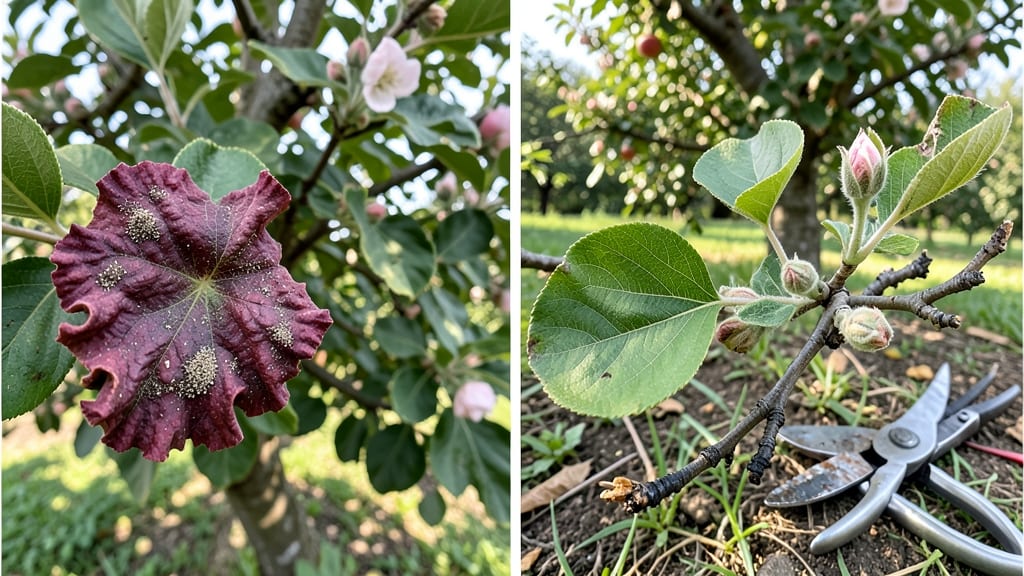
Your apple tree’s crinkled, curled leaves are the first warning sign of a disease that can ruin next year’s harvest if ignored. 🌿 Leaf curl in apple trees isn’t just unsightly—it weakens trees, reduces fruit quality, and spreads faster than most gardeners realize.
The good news? You can stop it before it takes hold.
This disease thrives in wet springs, but even dry seasons can see outbreaks if last year’s infected leaves weren’t cleaned up. The fungus overwinters in fallen leaves, then infects new growth as temperatures rise.
I’ve seen trees go from healthy to struggling in just two weeks if left untreated—but with the right steps, you can reverse the damage.
You’ll learn to spot the early signs (tiny red spots on buds before leaves even unfurl), prune correctly to remove infected wood, and use organic sprays that actually work—no harsh chemicals needed.
By the time you’re done, your tree will be on the road to recovery, and next year’s apples will be bigger and healthier than ever.
The best part? These methods work for both young trees and mature orchards, and they’re simple enough for anyone to handle. Let’s get your tree back to thriving before the season’s over.
Root Causes Of Apple Tree Leaf Curl
Leaf curl in apple trees isn’t just a random quirk of nature—it’s a clear signal that something’s amiss in your orchard’s ecosystem. Understanding the why behind this disease helps you tackle it before it spreads. Let’s break down the key culprits, from microscopic invaders to environmental stressors, with science-backed explanations.
The most common trigger for leaf curl in apple trees is fungal infection, primarily caused by Venturia inaequalis (the fungus behind apple scab) or Venturia nashicola (a close cousin affecting Asian pears). Here’s how it works:
- Spores Spread Like Wildfire 🌬️ Fungal spores hitch rides on wind, rain, or even tools like pruners. When conditions are just right—cool, wet springs (50–60°F) with frequent rainfall—they land on young leaves, germinate, and penetrate the tissue within 24–48 hours.
- How the Fungus Hijacks Your Tree Once inside, the fungus releases enzymes that break down leaf cell walls, causing abnormal cell division. This forces leaves to curl upward, thicken, and develop a waxy, leathery texture.
Over time, the curls turn brown and crispy, but the damage is already done—photosynthesis drops by 30–50%, weakening the tree.
- Overwintering Strategy Unlike many fungi, Venturia doesn’t die in winter. It hibernates in infected leaves, mummies (dried fruit), and bark crevices, ready to launch its next attack when spring arrives. This persistence makes prevention critical.
Fungi don’t act alone—weather is their accomplice. Leaf curl thrives when these conditions collide:
| Factor | Why It Matters | Red Flags |
|---|---|---|
| Cool, Wet Springs | Spores germinate best in temps 50–60°F with leaf wetness >9 hours/day. | Late frosts followed by rain. |
| High Humidity | Fungal growth accelerates in >70% humidity; spores survive longer. | Foggy mornings or poor air circulation. |
| Slow-Drying Leaves | Water lingers on leaves, giving fungi direct access. | Dense canopies or shaded areas. |
Pro Tip: 🌡️ Use a disease forecast model (like the [Maryblyt model](https://www.maryblyt.com/)) to predict high-risk periods. These tools track weather data and alert you when sprays are most effective.
A healthy tree fights off pathogens, but stress opens the door for leaf curl. Common stressors include:
- Nutrient Deficiencies
- Magnesium or Zinc Deficiency 🍃: Leaves curl upward (a classic symptom) because chlorophyll production falters. Test soil pH—ideal for apples is 6.0–6.5.
- Potassium Shortage ⚡: Weakens cell walls, making leaves more vulnerable to fungal penetration.
- Physical Damage - Pruning Wounds ⚠️: Poor cuts expose fresh tissue, giving spores an entry point. Always prune in dry weather and seal large wounds with pruning sealant. - Hail or Pest Attack 🐛: Damaged leaves are 3x more likely to develop curl.
Monitor for apple maggots or mites, which stress trees.
- Root Zone Issues
- Compacted Soil 🪨: Restricts water/nutrient uptake, starving the canopy. Aerate annually if soil feels like concrete.
- Overwatering 💦: Soggy roots suffocate beneficial microbes and promote fungal growth in the root zone.
Sometimes, well-meaning gardening habits backfire:
- Improper Sanitation 🧹 Leaving infected leaves or mummified fruit on the ground is like rolling out the red carpet for fungi. These debris act as spore factories for years. Solution: Rake up and compost (at high temps >140°F) or destroy debris.
- Overhead Irrigation 💦 Watering from above splashes spores onto leaves. Fix: Use drip irrigation or soaker hoses to keep foliage dry.
- Planting Too Close 🌳 Crowded trees create poor airflow, trapping humidity. Aim for 12–15 feet spacing between apple trees to improve circulation.
Not all apple trees are equally susceptible. Susceptible Varieties (high-risk for leaf curl):
- McIntosh, Red Delicious, Golden Delicious, Granny Smith
- Asian Pears (prone to V. nashicola)
Resistant Varieties (naturally tougher):
- Liberty, Akane, Enterprise, or Freedom (breeds with scab-resistant genes).
Action Step: If you’re planting new trees, choose resistant cultivars or graft onto rootstocks like M.9 or MM.106, which offer some disease resistance.
Don’t wait for full-blown curls—watch for these pre-curl symptoms:
- Purple or Red Speckles on undersides of leaves (early fungal spots).
- Stunted New Growth (fungi disrupt cell division before curling occurs).
- Premature Leaf Drop (tree “gives up” on infected foliage).
💡 Quick Fix: If you catch these early, remove infected leaves and apply a copper fungicide (like Copper Sulfate) to halt spread.
Fixing Leaf Curl in Apple Trees
Leaf curl disease might seem like a death sentence for your apple trees, but with the right approach, you can nurse them back to health—and even prevent future outbreaks.
Below, we’ve mapped out practical, organic solutions tailored to each cause, from pruning to soil care. Follow these steps to restore your tree’s vigor and protect its future harvests.
If your tree is battling fungal leaf curl, the key is to remove infected parts early and create an unfriendly environment for spores.
🔪 Step-by-Step Fix:
- Prune Infected Leaves & Branches
- Use sterilized pruners (wipe with rubbing alcohol between cuts) to remove all curled, spotted, or discolored leaves—even if they’re just starting to show symptoms.
- Cut back to healthy green tissue (about ¼ inch beyond the last sign of disease).
- Bag and dispose of pruned material in the trash (not compost)—fungal spores can survive in compost piles.
- Apply Organic Fungicides - Baking Soda Spray: Mix 1 tbsp baking soda + 1 tsp horticultural oil + 1 tsp soap per gallon of water. Spray every 7–10 days during wet seasons. - Neem Oil: A natural fungicide and insect repellent.
Spray early morning or evening (avoid direct sun) every 2–3 weeks until new leaves emerge. - Copper Fungicide: Use organic copper-based sprays (like CuFix) before bud break and after heavy rains.
- Improve Air Circulation
- Thin out dense branches to allow sunlight and air to reach the center of the tree.
- Space trees 10–15 feet apart to reduce humidity buildup (fungi love damp conditions).
- Clean Up Debris
- Rake and remove fallen leaves and mummified fruits (they harbor spores). Burn them if possible, or seal in a trash bag for disposal.
💡 Prevention Tips:
- Plant resistant varieties like ‘Liberty,’ ‘Enterprise,’ or ‘Akane’ if fungal leaf curl is recurrent in your area.
- Water at the base (avoid overhead sprinkling) to keep leaves dry.
- Mulch with straw or wood chips (3–4 inches deep) to prevent soil splashing onto leaves.
If pests are the culprits behind curled leaves, you’ll need to disrupt their life cycle while protecting your tree.
👨🍳 Step-by-Step Fix:
- Identify the Pests
- Aphids: Tiny green/black bugs clustered on new growth.
- Mites: Almost invisible; leaves may have stippling or webbing.
- Scale: Brown/bumpy spots that don’t move.
- Blast Them Off with Water
- Use a strong hose spray (or a knapsack sprayer) to knock off aphids and mites from leaves and branches.
- Introduce Beneficial Insects
- Ladybugs (eat aphids) – Release 1,000–2,000 per tree in early morning.
- Predatory mites (for spider mites) – Apply Amblyseius californicus (available at garden centers).
- Parasitic wasps (for scale) – Order Aphytis melinus from organic suppliers.
- Apply Organic Insecticides - Insecticidal Soap: Mix 2.5 tbsp castile soap + 1 gallon water. Spray directly on pests (avoid hot sun). - Neem Oil: Works on all three pests.
Spray every 5–7 days until infestation clears. - Kaolin Clay: Creates a protective barrier (like Surround WP). Reapply after rain.
- Prune Heavily Infested Branches
- Cut and dispose of severely damaged branches to reduce pest populations.
🔥 Prevention Tips:
- Encourage natural predators by planting dill, fennel, or yarrow nearby.
- Avoid broad-spectrum pesticides (they kill beneficial insects too).
- Inspect trees weekly during spring/summer for early signs of pests.
If leaf curl is due to stress from extreme weather or nutrient deficiencies, focus on soil health and protective measures.
🥗 Step-by-Step Fix: 1. Test & Amend Soil - Conduct a soil test (kit from a garden center or university extension).
Aim for: - pH 6.0–7.0 (apple trees prefer slightly acidic to neutral). - High organic matter (add compost or well-rotted manure). - If zinc or magnesium is low, apply Epsom salt (1 tbsp per gallon of water, spray foliage) or chelated zinc.
- Mulch & Water Deeply
- Apply 3–4 inches of organic mulch (straw, wood chips) to retain moisture and regulate temperature.
- Water deeply 1–2 times per week (1–2 inches per week), especially during drought or heatwaves.
- Protect from Extreme Temperatures
- Cold Stress: Wrap the trunk with burlap in late fall/winter. Use tree guards to prevent sunscald.
- Heat Stress: Provide shade cloth (30–50% coverage) during peak summer heat.
- Fertilize for Resilience
- Use a balanced organic fertilizer (like fish emulsion or compost tea) in early spring.
- Avoid high-nitrogen fertilizers (they encourage soft growth prone to pests/disease).
✨ Prevention Tips:
- Plant in the right microclimate—avoid low spots where cold air pools.
- Choose disease-resistant rootstock if your area has consistent stress factors.
- Monitor weather forecasts and cover young trees during late frost warnings.
| Task | When to Do It | How Often |
|---|---|---|
| Prune infected leaves | Early spring (before buds) | Once per season |
| Apply neem oil | Spring, summer, fall | Every 2–3 weeks (wet seasons) |
| Test soil | Early spring | Every 2–3 years |
| Mulch | Early spring or fall | Once per year |
| Inspect for pests | Weekly (spring–fall) | Ongoing |
By tackling the root cause—whether fungal, pest-related, or environmental—you’ll give your apple tree the best shot at bouncing back strong. Stay consistent with preventive care, and your tree will reward you with lush, disease-free foliage and a bountiful harvest! 🍏🌿
Frequently asked questions
Can I save my apple tree if the leaves are already curled?
Yes, but act fast! Remove all curled leaves immediately and dispose of them in the trash (not compost). Apply a copper fungicide or neem oil spray to stop the spread. Prune any severely infected branches back to healthy wood. With consistent care, your tree can recover—just don’t expect perfect leaves this season.
Will leaf curl kill my apple tree?
Not immediately, but severe infections can weaken the tree over time, reducing fruit quality and yield. The fungus itself won’t kill mature trees, but repeated stress from leaf curl makes them vulnerable to other diseases or pests. Think of it like a chronic illness—manageable with treatment, but neglected cases can lead to decline.
How do I know if my tree has leaf curl or just nutrient deficiency?
Leaf curl from disease often starts with red or purple spots on buds before leaves even unfurl, while nutrient deficiencies (like magnesium) cause yellowing between leaf veins without curling. Test your soil—if pH is off or nutrients are low, amending the soil may help, but fungal leaf curl requires fungicides.
Is baking soda really effective against leaf curl?
Yes, but it’s most effective as a preventive measure during wet seasons. Mix 1 tbsp baking soda + 1 tsp oil + 1 tsp soap per gallon of water and spray every 7–10 days. It won’t cure advanced infections, but it creates an alkaline environment that fungi dislike. For existing curl, combine it with pruning and copper sprays for better results.
When is the best time to prune for leaf curl prevention?
Prune in late winter or early spring (before buds swell) to remove any dormant spores hiding in old wood. Avoid pruning during wet weather—fungal spores spread easily on fresh cuts. Sterilize your tools with rubbing alcohol between cuts to prevent cross-contamination.