
Trees
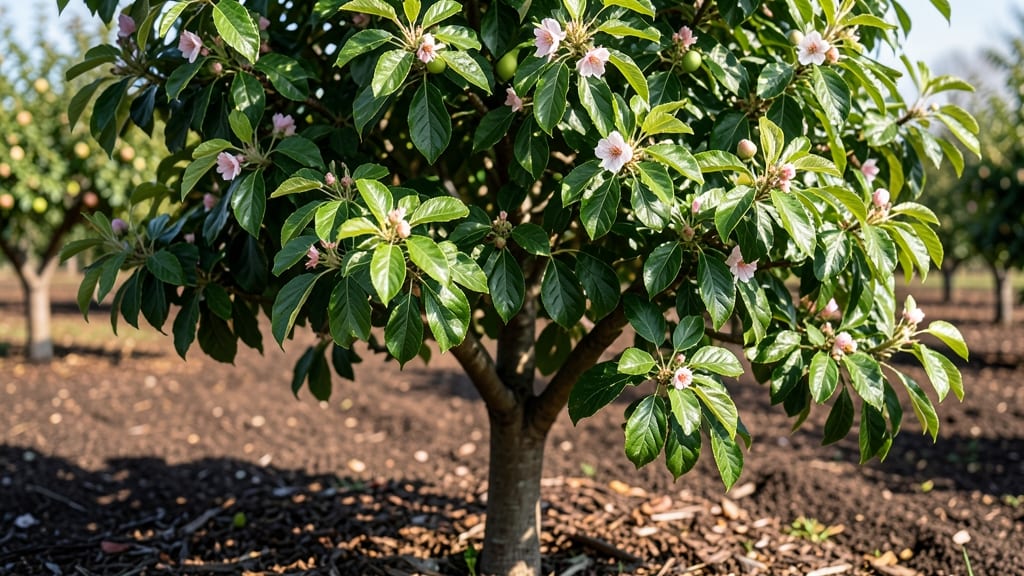
Identifying plum tree leaves starts with noticing their oval shape and smooth edges—features that set them apart from similar trees. 🌿 I’ve spent years comparing plum leaves to cherries and peaches, and the key difference is in the fine serrations along the edges (though they’re often subtle) and the distinct reddish tint on new growth.
European plums, for example, have glossy, slightly pointed leaves, while Japanese plums lean toward broader, slightly waxy surfaces. The vein pattern is another dead giveaway: plum leaves have prominent, curved secondary veins that arch gracefully from the midrib, creating a almost feather-like texture.
Cherry leaves, by contrast, tend to have straighter veins. Color shifts also help—healthy plum leaves start deep green but often blush purple or red in fall, a trait shared with some peach varieties, but plum leaves hold their color longer.
If you’re still unsure, check the leaf arrangement: plums grow in alternate patterns (one leaf per node), while cherries often have opposite or clustered growth.
Pests like plum curculio or diseases such as silver leaf fungus can distort these features, so compare your findings to healthy reference images from local botanical guides or apps like iNaturalist.
For a quick confirmation, snap a photo and overlay it with a plum leaf diagram—most identification apps will flag the shape, vein structure, and color cues within seconds. Once you’ve nailed the basics, you’ll spot plums in your neighborhood like a pro, even before the fruit appears.
Understanding Leaf Stress Signals
Plum tree leaves don’t just change for fun—they’re sending you SOS signals when something’s off. Whether it’s a pest invasion, nutrient deficiency, or environmental stress, your tree’s foliage is essentially a living diagnostic chart.
Below, we break down the root causes behind common leaf issues, so you can act fast and keep your plum tree thriving.
Plum trees are tough, but they’re not immune to weather whiplash. Extreme temperatures, drought, or sudden shifts can trigger leaf problems faster than you’d expect.
- Heat or Drought Stress - Why it happens: Plum trees need consistent moisture—when soil dries out or temps soar above 90°F (32°C), leaves curl, yellow, or crisp at the edges.
This is your tree’s way of reducing water loss (a survival tactic called transpiration control). - Actionable fix: Water deeply 2-3 times per week (1-2 inches per session) and mulch to retain moisture. Avoid overhead watering—drip irrigation is your best friend.
- Cold or Frost Damage - Why it happens: Plum trees are semi-tropical—they handle cold but not sudden freezes. If temps drop below 25°F (-4°C), leaves may develop brown, water-soaked spots or blackened edges.
This is cell rupture from ice crystals forming in the tissue. - Actionable fix: Plant in sheltered spots away from wind. If frost is forecasted, cover young trees with frost cloth. Avoid pruning in late fall—new growth is more vulnerable.
- Sun Scorch - Why it happens: Too much intense afternoon sun (especially after a rainy spell) causes leaves to bleach or crisp.
This happens when water uptake can’t keep up with evaporation. - Actionable fix: Provide afternoon shade (use shade cloth or plant near a wall). Dwarf varieties are less prone—consider ‘Santa Rosa’ or ‘Methley’ if sun exposure is extreme.
Plum trees are magnets for pathogens, especially in humid climates. Fungi and bacteria don’t just attack leaves—they hijack the tree’s vascular system, cutting off nutrients.
- Brown Rot (Monilinia spp.) - Why it happens: This fungus thrives in wet springs and warm nights. It causes brown, mushy spots on leaves (and fruit!) that ooze pinkish spores.
The fungus winters in mummified fruit on the ground. - Actionable fix: - Remove and destroy infected leaves/fruit immediately (don’t compost!). - Prune for airflow—dense canopies trap moisture. - Apply copper fungicide in early spring before blooms appear.
- Leaf Spot Diseases (Cercospora, Septoria) - Why it happens: These fungi love humidity (think >75% for 48+ hours). They create tiny black or brown spots with yellow halos, often with fuzzy centers.
Over time, leaves yellow and drop prematurely. - Actionable fix: - Water at the base (never overhead). - Space trees 15-20 ft apart for airflow. - Clean up fallen leaves—fungi overwinter in leaf debris.
- Bacterial Leaf Spot (Xanthomonas) - Why it happens: Bacteria enter through wounds (pruning cuts, hail damage) and clog the leaf veins, causing water-soaked, greasy-looking spots that turn brown.
Unlike fungi, bacteria spread via rain splash. - Actionable fix: - Sterilize pruners with rubbing alcohol between cuts. - Avoid overhead irrigation. - Remove infected leaves and treat with copper bactericide (but no chemical cure—prevention is key).
Pests don’t just eat leaves—they inject toxins, steal sap, or lay eggs that trigger stress responses. Here’s how they sabotage your plum tree:
- Plum Curculio (Weevil) - Why it happens: This tiny, snout-nosed beetle chews notches in leaves and lays eggs in fruit.
The sawdust-like frass (poop) and irregular holes are dead giveaways. - Actionable fix: - Set up pheromone traps in early spring. - Apply kaolin clay (a natural barrier) or spinosad spray (organic option). - Handpick adults (they’re slow—shake them into soapy water).
- Japanese Beetles - Why it happens: These shiny green/brass bugs skeletonize leaves (eat everything but the veins).
They release pheromones to attract more, leading to rapid defoliation. - Actionable fix: - Handpick into soapy water (best at dawn). - Use neem oil or milky spore (a natural bacterial treatment). - Plant trap crops like roses nearby to lure them away.
- Aphids & Spider Mites - Why it happens: These tiny sap-suckers cause yellow stippling (aphids) or fine webbing (mites).
Their toxic saliva triggers leaf curling and stunted growth. - Actionable fix: - Blast off with water (aphids hate it). - Release ladybugs (natural predators). - Use horticultural oil for mites (avoid in extreme heat).
Plum trees need balanced nutrition, and soil imbalances show up first on the leaves. Here’s how to decode the clues:
| Symptom | Likely Cause | Quick Fix |
|---|---|---|
| Yellow between veins | Iron deficiency (chlorosis) | Apply chelated iron or sulfur (alkaline soil locks out iron). |
| Purple/red leaves | Phosphorus deficiency | Work in bone meal or rock phosphate. |
| Brown leaf edges | Potassium deficiency | Use potassium sulfate or wood ash. |
| Small, pale leaves | Nitrogen deficiency | Add compost or blood meal. |
| Stunted growth | Zinc or magnesium | Apply Epsom salt (for magnesium) or zinc sulfate. |
- Pro Tip: 💡 Test your soil (pH should be 6.0-7.0 for plums). If it’s too alkaline, gypsum can help acidify it over time.
Key Takeaway: Your plum tree’s leaves are chatting with you—listen closely, and you’ll catch problems before they spiral. Most issues are preventable with proactive care, so monitor regularly and act at the first sign of stress!
Quick Fixes for Common Plum Tree Leaf Issues
Plum trees are stunning, but their leaves can sometimes signal trouble—whether it’s pests, disease, or environmental stress. The good news? Most problems have simple, actionable solutions. Below, we’ve mapped common issues to their fixes, so you can restore your tree’s health with minimal effort.
Cause: Too much water, poor drainage, or a lack of essential nutrients like nitrogen or iron. Fix It: 🔥 Check the soil moisture – Stick your finger 2 inches into the soil. If it’s soggy, your tree is overwatered. 🍳 Improve drainage – Amend heavy clay soil with compost or sand to help roots breathe. 👨🍳 Fertilize smartly – Use a balanced fertilizer (10-10-10) in early spring or a chelated iron supplement if leaves are pale yellow. 🥘 Prune affected branches – Remove severely yellowed leaves to redirect energy to healthier growth.
Prevention Tip: 💡 Water deeply but infrequently—plum trees prefer dry soil between waterings. Mulch around the base to retain moisture without suffocating roots.
Cause: Larvae or adult pests like Japanese beetles, plum curculio, or tent caterpillars munching on foliage. Fix It: 🔪 Handpick pests – Drop them into soapy water for a quick, chemical-free solution. 🌿 Use row covers – Lightweight fabric draped over young trees keeps pests out without harming the tree. 🎯 Apply organic sprays – Neem oil or insecticidal soap (spray in the evening to avoid harming bees). ⏰ Set up traps early – Pheromone traps for Japanese beetles can reduce populations before they feast.
Prevention Tip: 🌡️ Install tree collars (sticky bands) around the trunk to trap crawling pests before they reach the leaves.
Cause: Fungal infections like black knot, anthracnose, or powdery mildew thrive in damp, shaded conditions. Fix It: 🧼 Prune infected branches – Cut off spots at least 6 inches below the visible damage to prevent spread. 💨 Improve airflow – Thin out dense branches to let sunlight and air circulate. 🛡️ Apply fungicide – Use copper-based or sulfur sprays (follow label instructions carefully). 🌧️ Water at the base – Avoid overhead watering, which spreads spores.
Prevention Tip: ✨ Clean up fallen leaves – Rake and dispose of debris in the fall to remove fungal overwintering sites.
Cause: Dry soil, compacted roots, or sudden temperature swings. Fix It: 💦 Water thoroughly – Deep watering (1–2 inches per week) encourages deep root growth. 🔄 Aerate the soil – Use a garden fork to loosen compacted areas around the tree’s drip line. 🌱 Mulch properly – Spread 2–3 inches of organic mulch (wood chips or straw) but keep it away from the trunk. 🌡️ Shade young trees – Use temporary shade cloth if your area experiences extreme heat.
Prevention Tip: 📊 Monitor soil moisture – A simple moisture meter helps avoid both over- and underwatering.
- Prune in late winter/early spring – Remove dead or crossing branches to improve sunlight exposure.
- Test your soil – A simple pH test (aim for 6.0–7.0) ensures your tree gets the right nutrients.
- Avoid heavy pruning in summer – Stress from trimming can invite pests and diseases.
With these targeted fixes, your plum tree’s leaves should bounce back to vibrant green in no time. 🌿💚
Frequently asked questions
How do I tell if my tree is a plum versus a cherry or peach?
Plum leaves have smooth or finely serrated edges with prominent curved veins that create a feather-like pattern. Cherry leaves are usually elliptical with straight veins, while peach leaves have slightly fuzzy undersides and more pointed tips. Also check the leaf arrangement—plums grow alternately, while cherries often cluster.
What should I do if my plum tree leaves are turning yellow?
Yellowing leaves often signal iron deficiency (chlorosis) or overwatering. First, check soil moisture—plum trees prefer dry soil between waterings. If the soil is soggy, improve drainage with compost. For yellowing between veins, apply chelated iron and test your soil pH (ideal: 6.0-7.0).
Can I use an app to confirm my plum tree identification?
Apps like iNaturalist, PictureThis, or PlantNet let you upload photos for instant ID. Focus on leaf shape, vein pattern, and arrangement—these are the most reliable features. For best results, photograph healthy leaves against a plain background in good light.
Why do some plum leaves have red or purple tinges?
This is completely normal! New growth often shows reddish or purple hues, especially in Japanese plums. The color fades as leaves mature, but it’s a sign of healthy anthocyanin production (the same pigment in red cabbage). Cold nights or bright sunlight can also intensify these colors.
How big should healthy plum leaves be?
Mature plum leaves typically measure 2-4 inches long and 1-2.5 inches wide, with a smooth, oval shape. Young leaves start smaller (1 inch) and darken as they grow. Compare your leaves to reference images—size variations can indicate nutrient issues (too small) or pest damage (irregular shapes).