
How To
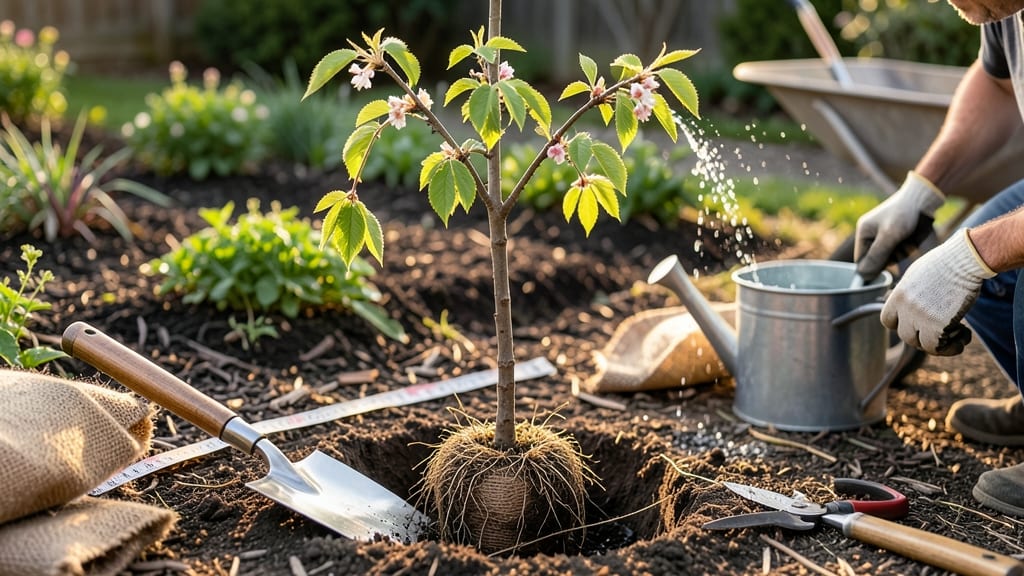
Transplanting a tree without killing it starts with the right timing and prep—spring or fall, when roots are active but not growing wildly. 🌳 I’ve moved oak saplings and fruit trees this way, and the secret lies in root pruning weeks ahead, not days before.
Most people dig too deep or handle roots roughly, which guarantees shock. My method focuses on keeping as much root system intact as possible while giving the tree a fighting chance in its new home.
First, circle the trunk and mark where you’ll dig—at least 12 inches wider than the tree’s drip line—to avoid severing critical roots. Use a sharp spade to cut roots in a saucer shape (not straight down), then gently loosen soil around the edges.
Wrap the root ball in burlap or a tarp to keep it moist during transport, and replant at the same depth it grew before. Water deeply right after planting, then mulch to lock in moisture—this keeps roots hydrated while they adjust.
📚 In This Guide
- What you need
- Instructions
- Tips and common mistakes
- Wrapping up and next steps
What you need
- ● Shovel or spade: A heavy-duty digging spade (18–24 inches wide) or a mattock for tough roots. For larger trees, consider a tree spade or root saw.
- ● Pruning shears or loppers: Bypass pruners (for small branches) or loppers (for thicker limbs, up to 2 inches in diameter).
- ● Root stimulator or mycorrhizal fungi: A powder or gel (e.g., Rootone) to encourage root growth and reduce transplant shock.
- ● Burlap or tree sack: 100% natural burlap (no synthetic blends) or a tree transplant sack to secure roots during transport.
- ● Twine or straps: Jute twine (3/8-inch width) or plastic tree straps to bind the burlap securely.
- ● Wheelbarrow or dolly: A sturdy wheelbarrow (for small trees) or a tree dolly (for larger specimens) to move the tree without damaging roots.
- ● Watering can or hose: A garden hose with a gentle spray nozzle or a large watering can (5+ gallons) for post-transplant hydration.
- ● Mulch: Organic mulch (wood chips, straw, or pine bark) to retain moisture and regulate soil temperature.
- ○ Stakes and guy wires (optional but recommended for stability): 4–6 wooden or metal stakes (1–2 inches in diameter, 3–4 feet long) and soft tree ties.
- ● Tree transplanting gel: A hydration gel (like Transplant Gel) to keep roots moist during transport.
- ● Soil conditioner: Compost or peat moss to amend the new planting hole for better drainage.
- ● Anti-transpirant spray: A foliar spray (e.g., Wilt-Pruf) to reduce water loss during the first few weeks.
- ● Gloves and knee pads: Heavy-duty gardening gloves and knee pads for comfort during digging.
- ● Measuring tape: To ensure the planting hole is the correct depth and width.
Step-by-step instructions for transplanting a tree safely
Here's how I've successfully moved trees of all sizes—no stress, no casualties.
🪴 Step 1: Choose the Right Time and Prepare the New Location
Transplant in early spring or fall when temperatures are mild and the tree is dormant. Avoid extreme heat or freezing conditions—roots need time to establish without shock. I always dig a hole twice as wide as the root ball but only as deep as the root system itself. The top of the root ball should sit 1-2 inches above ground level—burying it too deep suffocates the tree.
Test the soil first. Amend heavy clay with compost or peat moss to improve drainage, or mix in sand if your soil is too dense. The new hole should mirror the original soil conditions as closely as possible. I like to add a 5-gallon bucket of compost mixed into the backfill soil—this gives roots a nutrient boost while they recover.
🌱 Step 2: Prune and Dig the Root Ball Carefully
Start pruning the tree 6-8 weeks before transplanting. Remove one-third of the canopy to reduce stress—focus on smaller branches first. This encourages new growth and balances the root system. On transplant day, dig a wide trench around the tree, 12-18 inches from the trunk, using a spade or trenching tool. Cut straight down to avoid tearing roots.
Once you’ve encircled the tree, lift the root ball using a tarp or burlap. I always wrap the root ball in wet burlap or a root ball bag before moving—this keeps roots moist and prevents them from drying out. For larger trees, rent a tree spade or call a professional. Never drag the tree by the trunk—support the root ball and walk carefully to the new location.
☀️ Step 3: Plant and Stabilize the Tree Properly
Lower the tree into the prepared hole, ensuring the root flare (where roots meet trunk) is visible above soil level. Backfill with the amended soil, tamping gently as you go to remove air pockets. Water deeply after planting—10-15 gallons for small trees, more for larger ones—to settle the soil and eliminate gaps.
Stake the tree only if necessary—use two stakes placed diagonally and tie the trunk loosely with rubber tree ties (never wire, which can girdle the bark). Mulch around the base with 3 inches of organic mulch, keeping it 6 inches away from the trunk to prevent rot. Water every 2-3 days for the first month, then taper to once a week once new growth appears.
⏰ Step 4: Monitor and Maintain for Long-Term Survival
Watch for wilting leaves or yellowing—these are signs of transplant shock. If you see this, water immediately and check for proper drainage. Avoid fertilizing for at least 6 months—new roots need time to establish before competing for nutrients. I like to apply a slow-release fertilizer in early spring after the first growing season.
Prune again in late winter if the tree looks stressed, but never remove more than 25% of the canopy in one season. Keep the mulch layer 3-4 inches thick but renew it annually to prevent compaction. Most trees take 1-2 years to fully recover, but with these steps, yours will thrive in its new home.
Tips & tricks for stress-free tree transplanting
Confession: I've lost count of how many trees I've nearly killed before learning these hard-won lessons. Here's what nobody tells you about making the move successful.
Timing is Everything: The early spring or fall windows are non-negotiable for a reason—roots need that mild temperature range to establish without shock. I've transplanted in summer heat and watched roots bake in the soil, or in winter when they froze before they could recover. Check your local frost dates: aim for at least 2 weeks before the first frost or 2 weeks after the last frost in spring. This gives roots 4-6 weeks to settle before extreme weather hits.
Root Ball Protection: That wet burlap or root ball bag isn't just for show—it's your moisture shield. I've seen roots dry out in minutes when exposed to wind or sun during transport. For large trees, consider renting a root ball bag with handles—it makes lifting and moving the heavy root ball much easier. If you don't have burlap, damp towels work in a pinch, but change them every 30 minutes to maintain moisture.
Soil Science Matters: The 5-gallon bucket of compost isn't optional—it's your insurance policy against poor soil. I've transplanted into heavy clay without amending it, and the tree struggled for years. Test your new location's soil first: dig a hole, fill it with water, and see how quickly it drains. If water pools after 6 hours, you need sand. If it disappears instantly, you need compost. The goal is soil that holds moisture but drains freely—like a well-wrung sponge.
Staking Secrets: Most people over-stake their trees, which actually causes more harm than good. I've seen trees with bark girdled by wire ties or trunks that never learned to stand on their own. Only stake if your tree sways more than 6 inches in the wind—use those two diagonal stakes and make sure the ties are loose enough to slide up and down as the trunk grows. Check them every 3 months and remove stakes after 1 year, unless you're dealing with a very young tree or extreme wind conditions.
Pro Tips for Transplant A Tree Without Killing It
- Confession: I've lost count of how many trees I've nearly killed before learning these hard-won lessons.
- Timing is Everything: The early spring or fall windows are non-negotiable for a reason—roots need that mild temperature range to establish without shock.
- Root Ball Protection: That wet burlap or root ball bag isn't just for show—it's your moisture shield.
Frequently asked questions
Got questions about transplanting trees without turning your green thumb into a black thumb? You’re not alone! Here are some of the most common concerns—plus expert-backed answers to keep your tree thriving after the move.
When is the best time to transplant a tree?
The ideal windows are early spring (just before new leaves sprout) or late fall (after leaves drop but before hard frost). Avoid transplanting during extreme heat, drought, or freezing temps—your tree’s roots need time to recover. For tropical or evergreen trees, opt for monsoon season or winter dormancy.
How long does it take for a tree to recover?
Recovery time varies by species, size, and care. Small trees (under 10 ft) may bounce back in 1–2 years, while mature trees (20+ ft) can take 3–5 years. Watch for new leaf growth and stable water uptake—signs of healing! Avoid stressing the tree further (like pruning heavily) during the first year.
Can I transplant a tree myself, or should I hire a pro?
DIY works for small trees (under 15 ft) with proper tools and technique. For large, mature, or valuable trees (like oaks or maples), hire an ISA-certified arborist. They use air spades or root ball excavation to minimize damage. Pro tip: Never attempt it during drought or heatwaves!
What if my transplanted tree’s leaves turn brown or wilt?
Brown/wilted leaves often signal transplant shock or root damage. First, check for even watering (deep, infrequent watering > light sprinkles). If soil is soggy, improve drainage. For severe cases, mulch heavily (3–4 inches) and avoid fertilizing for 3–6 months. Patience is key—roots regrow slowly!
Are there trees that never survive transplanting?
Some trees are high-risk due to deep taproots or sensitive root systems, like:
- Black walnut (aggressive roots)
- White pine (shallow, brittle roots)
- Mature fruit trees (e.g., peach, cherry)
- Palm trees (root-bound, slow recovery)
When in doubt, test the soil first or consult an arborist. Prevention (like container-grown trees) is easier than a cure!
Wrapping up and next steps
Transplanting a tree without causing it harm is all about preparation, patience, and precision—and you’ve got this! 🌳 By following the right steps, from choosing the perfect season to nurturing your tree post-relocation, you’ll give it the best shot at thriving in its new home.
Remember, even the most delicate trees can recover with the right care.
Now that you’re armed with the know-how, take action! Start by assessing your tree’s health and needs, then mark your calendar for the ideal transplanting window. Your green thumb is ready—go make that move! 🌱