
Propagation
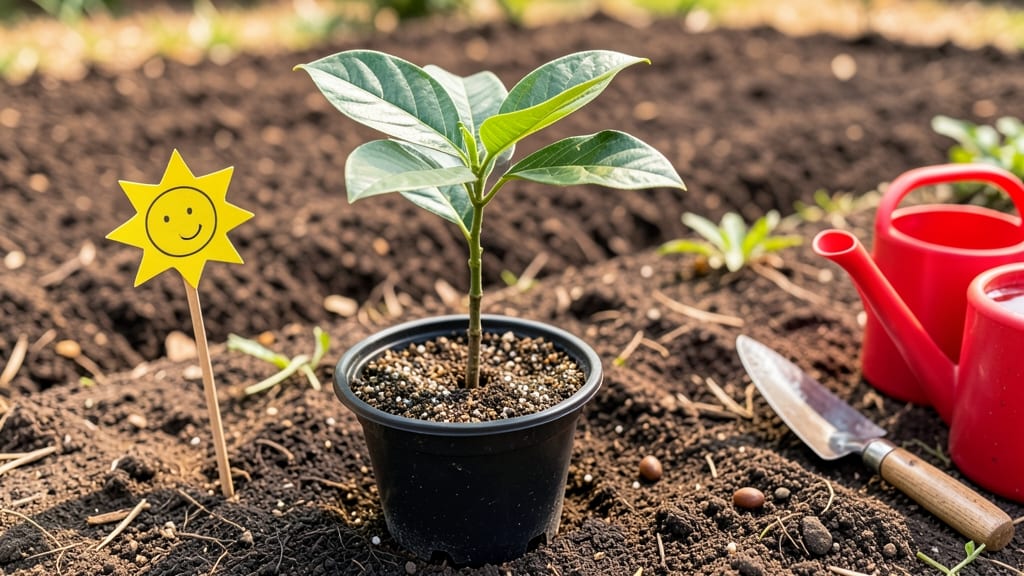
Planting guava trees from seeds unlocks a tropical fruit promise that starts with a single pit and ends with a tree that can produce fruit in just 3-5 years—if you do it right. 🌱 I’ve grown guavas from seed three times, and the first step is always the same: picking the ripest fruit you can find, cracking open that pit, and giving it the perfect start.
The key isn’t just patience—it’s knowing how to break through the tough outer shell without damaging the seed inside, then creating the exact conditions it needs to sprout within 6 weeks (or less, if you’re lucky).
You’ll need just three simple supplies: a guava pit, a small pot with drainage, and a mix of sandy soil and perlite to keep moisture balanced without drowning the seed.
Most people rush this step, but the secret to faster germination is warmth—place your pot in a spot where the soil stays between 75-85°F, like a sunny windowsill or under a grow light. If your home runs cooler, a seedling heat mat can cut germination time in half.
Trust me, that first tiny shoot popping through the soil is worth the wait.
Once those first leaves appear—bright green and delicate—you’ll want to transplant into a larger container and give it bright, indirect light for the next few months.
Guava seedlings grow fast, but they’re also fragile in their early stages, so avoid overwatering (let the top inch dry out between waterings) and protect them from drafts.
By the time your seedling hits 12 inches tall, you’ll be dreaming of that first harvest, though it’ll take a few more years of care before you taste the sweet, creamy fruit you’re growing for.
Here’s the thing about guava seeds: not all will sprout, and some take longer than others. If you plant a few pits at once, you’ll likely get at least one strong seedling—just be patient and keep the soil consistently moist (not soggy).
The real magic happens when you see those deep green, glossy leaves and know you’ve given life to a tree that could one day bear fruit in your own backyard. Ready to start?
📚 In This Guide
- What you need
- Instructions
- Tips and common mistakes
- Wrapping up and next steps
What you need
- ● Guava seeds: 3–5 fresh, plump seeds (harvested from ripe guava fruit—avoid overripe or shriveled seeds).
- ○ Seed-starting tray or small pots: 2–4 (4-inch diameter minimum) with drainage holes. Optional: Biodegradable peat pots for easy transplanting.
- ● Well-draining potting mix: 2–3 cups of a lightweight, organic mix (e.g., 50% coconut coir, 30% perlite, 20% compost). Avoid heavy garden soil!
- ● Plastic wrap or humidity dome: To create a mini greenhouse effect and retain moisture.
- ● Spray bottle: For gentle watering (avoid over-saturating seeds).
- ● Grow lights or sunny windowsill: A spot with 6–8 hours of indirect sunlight daily (or a low-cost LED grow light for 12+ hours if natural light is limited).
- ● Small hand trowel or spoon: For gently pressing seeds into soil.
- ● Ruler or measuring tape: To ensure seeds are planted at the correct ½-inch depth.
- ● Label markers & tags: To track planting dates (guava seeds germinate in 2–6 weeks—patience is key!).
- ○ Fertilizer (optional): A balanced, water-soluble fertilizer (e.g., 10-10-10) only after the first true leaves appear.
- ○ Heat mat (optional): For faster germination in cooler climates (75–85°F is ideal).
Step-by-step instructions for planting guava trees from seeds
Here's the simple method I use to grow vigorous guava seedlings that thrive in tropical climates.
🌱 Step 1: Extract and Prepare Guava Seeds
Start with fresh guava fruit—ripe but not overripe. Cut open the fruit and remove the large, flat seeds. Rinse them thoroughly under running water to remove any remaining fruit pulp, which can cause mold. I like to soak the seeds in clean water for 24 hours to soften the outer coating and speed up germination.
After soaking, gently rub the seeds between your fingers to remove any remaining flesh. Place them on a paper towel and let them air-dry for 1-2 hours until slightly damp but not wet. This prevents rot when you plant them. The seeds should feel cool to the touch but not sticky.
🪴 Step 2: Fill Containers with Moistened Soil
Use small pots or seed trays with drainage holes—3-4 inches deep is perfect for guava seeds. Fill each container with a well-draining potting mix. I mix regular potting soil with 20% perlite to improve aeration and prevent waterlogging, which guava seeds hate.
Moisten the soil until it’s damp but not soggy—you should be able to squeeze a handful and see a few drops of water, but it shouldn’t feel wet. Press the soil down lightly to remove air pockets, then create a small indentation about ½ inch deep in the center of each pot. This is where the seed will go.
💧 Step 3: Plant Seeds and Maintain Warmth
Place 1-2 seeds per pot into the indentation, pressing them lightly so they make contact with the soil. Cover them with a thin layer of soil—just enough to hide them completely but not bury them too deep. Guava seeds need light to germinate, so don’t pack the soil over them.
Water gently until the soil is evenly moist, but avoid soaking it. Place the pots in a warm, shaded area where the temperature stays between 75-85°F. A seedling heat mat helps if your home runs cooler. Keep the soil consistently moist—not dry, not soggy—by misting lightly every 2-3 days.
☀️ Step 4: Provide Light and Monitor Growth
Once the first true leaves appear—about 3-4 weeks after planting—move the seedlings to a bright spot with indirect sunlight. Direct sun at this stage can scorch tender new growth. You’ll know they’re getting enough light when the leaves are a vibrant green and the stems are sturdy, not leggy.
Thin out weaker seedlings, keeping only the strongest one per pot. If you planted two seeds and both sprout, gently remove the smaller one at the soil line to avoid competition. Water the remaining seedling at the base, keeping the soil moist but never waterlogged.
⏰ Step 5: Transplant and Care for Young Trees
After 6-8 weeks, when seedlings have 4-6 true leaves and are about 6 inches tall, it’s time to transplant them into larger pots or directly into the ground. Choose a location with full sun (6+ hours daily) and well-draining soil—guava trees despise soggy roots.
Dig a hole twice as wide as the seedling’s root ball but no deeper. Place the seedling in the hole, backfill with soil, and water deeply to settle everything. Mulch around the base with 2-3 inches of organic mulch to retain moisture and regulate soil temperature. Keep the soil consistently moist for the first 2 weeks after transplanting.
Tips & tricks for planting guava trees from seeds
These simple strategies will help you avoid common pitfalls and maximize your guava seedlings' success rate.
Seed Preparation: The 24-hour soak is crucial for breaking down the seed's tough outer coating, but don't skip the drying step! After soaking, I spread the seeds on a paper towel and let them air-dry for the full 1-2 hours. This prevents rot when you plant them—wet seeds will mold in the soil. The seeds should feel cool to the touch but not sticky, like a slightly damp sponge. If they feel wet, let them dry another 30 minutes.
Soil Mix Secrets: While the instructions call for regular potting soil with 20% perlite, I've found adding a handful of coarse sand to the mix improves drainage even more. Guava seeds hate soggy conditions, and this extra step prevents waterlogging. Press the soil down lightly after moistening—this removes air pockets that could trap moisture around the seeds. The indentation should be exactly ½ inch deep, no deeper, to ensure proper light exposure for germination.
Temperature Control: Maintaining that 75-85°F range is easier than it sounds if you know the tricks. Place your pots on top of a refrigerator or near a sunny window during the day, then move them to a warmer spot at night. A seedling heat mat set to low works wonders if your home runs cool. The key is consistency—fluctuations below 70°F can stall germination completely. If your home is particularly warm, consider moving pots to a shaded spot during peak afternoon sun to prevent overheating.
Light Transition: When moving seedlings to indirect sunlight after 3-4 weeks, don't rush it! Start with just 1-2 hours of morning sun and gradually increase exposure over 5-7 days. Direct sun at this stage can scorch the delicate leaves. I've seen seedlings go from vibrant green to crispy brown overnight when moved too quickly. Watch for leaves that look slightly wilted but perk up after a few hours—that's your cue to increase sunlight exposure gradually.
Pro Tips for Plant Guava Tree From Seeds
- These simple strategies will help you avoid common pitfalls and maximize your guava seedlings' success rate.
- Seed Preparation: The 24-hour soak is crucial for breaking down the seed's tough outer coating, but don't skip the drying step!
- Soil Mix Secrets: While the instructions call for regular potting soil with 20% perlite, I've found adding a handful of coarse sand to the mix improves drainage even more.
Frequently asked questions
Got questions about growing guava trees from seeds? You’re not alone! Here are some of the most common concerns—and their solutions—to help you succeed.
How long does it take for guava seeds to germinate?
Guava seeds usually sprout within 10–20 days if planted correctly. Keep the soil warm (around 70–80°F) and moist, and place the pot in bright, indirect light. Patience is key—some seeds may take up to 30 days to crack open!
Can I plant guava seeds directly in the ground, or should I start indoors?
For best results, start seeds indoors 6–8 weeks before the last frost (or year-round in tropical climates). Young seedlings are delicate and benefit from controlled conditions. Once they’re 6+ inches tall with a few leaves, transplant them outdoors after hardening off.
Will a guava tree grown from seed produce fruit?
Yes, but it may take 3–5 years for seed-grown guavas to bear fruit. The variety might differ from the parent tree, so if you want a specific type (like Allahabad Safeda or Lucknow-49), consider grafting later. Patience pays off—healthy trees reward you with sweet, fragrant fruit!
Why aren’t my guava seeds sprouting? Troubleshooting tips.
If seeds aren’t germinating, check these fixes:
- Hard seed coat: Soak seeds in warm water for 24–48 hours to soften.
- Cold soil: Use a heating mat or move pots to a warmer spot.
- Overwatering: Keep soil moist but not soggy—drainage is critical.
- Low light: Place near a sunny window or under grow lights.
What’s the best time of year to plant guava seeds?
In tropical/subtropical climates, plant seeds anytime—guavas thrive in heat. In cooler regions, start indoors in early spring (March–April) or late summer (August–September) for a head start. Avoid frost—guavas hate cold and won’t survive below 30°F.
Wrapping up and next steps
Growing a guava tree from seeds is a rewarding journey that blends patience with the joy of nurturing life! 🌱 With the right soil, sunlight, and care, you’ll soon witness tiny sprouts transforming into a thriving tropical treasure.
Remember, consistency is key—whether you’re watering, pruning, or protecting your sapling from pests.
Now that you’ve mastered the basics, why not take the next step? Share your progress with fellow gardening enthusiasts, experiment with different varieties, or even gift a sapling to a friend. Your green thumb is already blooming—let’s keep that momentum going! 🌟