
Diseases
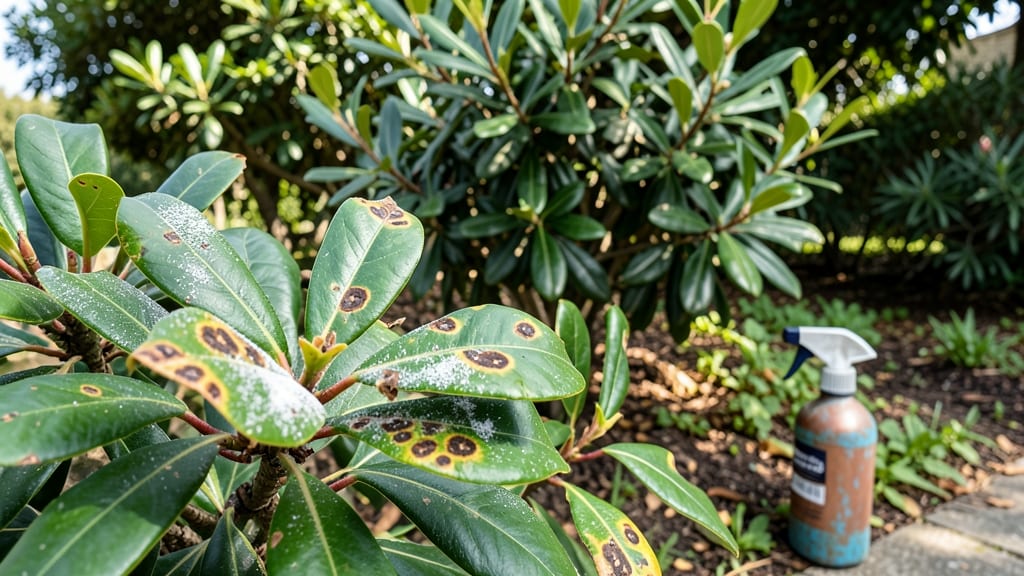
Bay tree diseases can turn your lush, glossy foliage into a sad, spotted mess overnight—if you don’t catch the warning signs early. 🌿 I’ve watched my own bay trees go from vibrant green to wilted and discolored until I learned to spot the early red flags of powdery mildew, root rot, and bacterial blight. The key to saving them? Spotting the problem before it spreads.
Most diseases start with too much moisture or poor air circulation—think crowded leaves or overwatered soil. You’ll see white powder on foliage (powdery mildew), dark spots with yellow halos (bacterial blight), or mushy stems (root rot).
The good news? Catching these early means simple fixes like pruning infected branches or adjusting your watering routine can turn things around.
With the right organic treatments—neem oil sprays, copper fungicides, or improving drainage—you’ll see healthier growth within weeks. I’ve nursed back trees that looked beyond saving, and now my bays stay lush and disease-free year-round. The trick is acting fast and keeping an eye on those leaves.
Whether you’re dealing with a potted bay or a tree in the ground, these fixes work for both. Let’s get your tree back to its full, fragrant glory—before the next pest pays a visit.
Root Causes Behind Bay Tree Ailments
Bay trees, with their glossy leaves and aromatic appeal, can fall prey to a variety of fungal and bacterial diseases—often due to underlying environmental or cultural stressors.
Understanding why these issues arise is the first step toward prevention and treatment. Below, we break down the most common triggers, backed by science and actionable insights.
Bay trees (Laurus nobilis) thrive in well-draining soil, but when planted in heavy clay or compacted ground, their roots suffocate. This creates the perfect breeding ground for root rot, caused by waterlogged conditions that deprive roots of oxygen.
- How it happens: Excess moisture triggers Phytophthora and Pythium fungi, which thrive in anaerobic (oxygen-poor) soil. These pathogens invade root tissues, blocking nutrient uptake and leading to wilting or yellowing leaves—even if the soil appears moist.
- Key signs:
- Mushy, discolored roots (brown/black instead of white).
- Stunted growth despite regular watering.
- Leaves drooping even after watering (a red flag for root stress).
- 💡 Pro tip: Amend soil with perlite or sand (20-30% mix) to improve aeration. For container-grown bay trees, ensure pots have drainage holes and avoid letting them sit in saucers of water.
Bay trees are particularly susceptible to foliar diseases like Bay Leaf Spot (Pseudopeziza tracheiphila) and Powdery Mildew (Erysiphe alphitoides) when humidity spikes above 70% and airflow is restricted.
- How it happens:
- Leaf Spot: Fungal spores splash onto leaves from wet soil or overhead irrigation, creating dark spots with yellow halos. Warm, damp nights (60–80°F) accelerate spore germination.
- Powdery Mildew: This fungus spreads via wind or contaminated tools, forming a white, talcum-like coating on leaves. It thrives in low-light, high-humidity environments (common in greenhouses or shaded outdoor spots).
- Key signs:
- Brown/black spots with raised edges (Leaf Spot).
- White, powdery patches on upper leaf surfaces (Powdery Mildew).
- Premature leaf drop in severe cases.
- 🌡️ Science note: Fungal spores dormant in winter reactivate when temperatures rise above 50°F. Prune infected leaves before spores spread—never compost them (they’ll reinfect!).
Bay trees are prone to bacterial canker (Pseudomonas syringae) and Xylella fastidiosa, which exploit physical damage (e.g., pruning cuts, hail, or pest bites) to enter the plant’s vascular system.
- How it happens:
- Bacteria hitchhike on rainwater, tools, or insects, then colonize wounds. Once inside, they clog xylem vessels, disrupting water transport and causing wilting.
- Weakened trees (from drought or poor nutrition) are 3x more vulnerable to bacterial invasion.
- Key signs:
- Sunken, oozing cankers on stems/branches (often with brown, gummy sap).
- Yellowing leaves that curl upward (a classic "flagging" symptom).
- Dieback in one side of the tree (bacterial wilt disrupts upward flow).
- ✨ Prevention hack: Sterilize pruning tools with 70% isopropyl alcohol or a 10% bleach solution before and after each cut. Avoid pruning during wet weather (bacteria spread faster).
Bay trees are heavy feeders and suffer when deprived of essential nutrients, making them susceptible to secondary infections. Low nitrogen (_N_) or potassium (_K_) weakens cellular defenses, while magnesium (Mg) deficiencies (common in alkaline soils) cause interveinal chlorosis—yellowing between leaf veins.
- How it happens:
- Nitrogen deficiency: Leads to small, pale leaves and stunted growth, stressing the tree enough to attract fungal pathogens.
- Potassium deficiency: Weakens cell walls, making leaves prone to tearing and easier targets for bacterial entry.
- Iron/Manganese deficiencies: Cause yellowing new growth, reducing photosynthesis and lowering the tree’s resistance to disease.
- 📊 Soil test tip: Bay trees prefer slightly acidic soil (pH 6.0–7.0). If your soil is alkaline, amend with elemental sulfur or peat moss to improve nutrient availability.
- 💪 Fertilizer fix: Use a balanced, slow-release fertilizer (e.g., 10-10-10) in early spring. Avoid high-phosphorus blends—they can promote fungal growth.
By addressing these root causes—drainage, humidity, wounds, and nutrition—you can drastically reduce your bay tree’s risk of disease. The key? Act before symptoms appear.
Quick fixes for bay tree ailments
Reviving your bay tree starts with identifying the right treatment for its specific issue. Below are practical, step-by-step solutions to tackle common fungal and bacterial diseases, along with preventive measures to keep your bay tree thriving. Let’s get your tree back to its healthy, aromatic self!
---
#### 1.
Powdery Mildew: The Fluffy White Invader 🔥 Cause: A fungal infection thriving in humid, shaded conditions. 🍳 Fix: - Prune affected leaves (wear gloves!) and dispose of them in the trash—not the compost. - Apply neem oil spray (1 tsp neem oil + 1 tsp mild soap + 1 quart water).
Spray both sides of leaves and the stems. Repeat every 7–10 days until the white powder disappears. - Improve airflow by spacing plants 2–3 feet apart or trimming nearby foliage.
💡 Prevention: - Water in the morning so leaves dry quickly. - Avoid overhead watering—use a drip irrigation system or water at the base. - Space plants properly to reduce humidity buildup.
---
#### 2.
Bay Tree Rust: Orange Spots on Leaves 🔥 Cause: A fungal spore that creates puffy orange pustules on leaf undersides. 🍳 Fix: - Remove infected leaves immediately—don’t let spores spread! - Spray with copper fungicide (follow label instructions) every 2 weeks for 2 months. - Clean up fallen leaves—they harbor spores.
Use a shovel or rake to remove debris from the soil.
💡 Prevention: - Plant bay trees in full sun (6+ hours of direct light). - Avoid wet foliage—water only at the base. - Rotate crops if growing bay trees in containers—don’t replant in the same soil without sterilizing it.
---
#### 3.
Root Rot: The Silent Killer 🔥 Cause: Overwatering or poor drainage leads to soft, mushy roots and yellowing leaves. 🍳 Fix: - Stop watering immediately—let the soil dry out completely. - Repot the tree in fresh, well-draining soil (mix potting soil with perlite or sand). - Check for rot: Gently remove the tree from its pot and trim black/mushy roots with sterilized scissors.
Replant in a clean pot with drainage holes. - Water only when the top 1–2 inches of soil are dry.
💡 Prevention: - Use pots with drainage holes—never let water pool at the bottom. - Water deeply but infrequently—bay trees prefer dry soil between waterings. - Avoid saucers without drainage—empty excess water after watering.
---
#### 4.
Bay Tree Scab: Crusty Brown Lesions 🔥 Cause: Bacteria create raised, scab-like spots on leaves and stems. 🍳 Fix: - Prune infected branches ½ inch below the lesion to prevent spread. - Disinfect pruners with rubbing alcohol between cuts. - Apply a copper-based bactericide (like Copper Soap) every 10–14 days until new growth appears.
💡 Prevention: - Sterilize tools before and after pruning. - Remove fallen leaves to reduce bacterial buildup. - Space plants to improve airflow and dry leaves faster.
---
#### 5.
Canker: Sunken, Oozing Wounds 🔥 Cause: A bacterial or fungal infection causing sunken, dead patches on stems. 🍳 Fix: - Cut out infected areas with sterilized pruners, extending 6 inches below the visible damage. - Seal the wound with pruning sealant (optional but helps prevent reinfection). - Apply a fungicide/bactericide (like Serenade Garden or copper fungicide) to the remaining plant.
💡 Prevention: - Avoid wounding the tree—handle stems gently during pruning. - Keep the area clean—remove debris and fallen leaves regularly. - Water at the base to keep foliage dry.
---
If your tree is weak from disease, give it a boost with these steps:
1. 🌿 Trim Back Severely – If over 50% of leaves are diseased, prune back to healthy growth to redirect energy. 2. 💧 Adjust Watering – Bay trees hate soggy roots. Let soil dry between waterings.
3. ☀️ Move to Better Light – If indoors, place near a south-facing window. Outdoors, ensure 6+ hours of sun.
4. 🍄 Feed with Compost Tea – Mix 1 cup compost + 5 gallons water, let steep for 24 hours, then water the soil. Rich in beneficial microbes to fight disease. 5. 🛡️ Strengthen Immunity – Spray with kelp fertilizer (natural growth booster) every 4–6 weeks.
--- ✨ Pro Tip: If your bay tree is beyond saving, propagate healthy cuttings! Dip in rooting hormone, plant in moist soil, and keep humid until roots form.
By acting fast and consistently, your bay tree can bounce back—healthy, disease-free, and ready to flavor your dishes again! 🌿🍽️
Frequently asked questions
What are the first signs my bay tree has powdery mildew?
Look for white, powdery patches on the upper surfaces of leaves, especially in shaded or crowded areas. These patches start small but spread quickly in humid conditions. Check the undersides of leaves too—early mildew often hides there before becoming visible.
Can I save a bay tree with root rot if the leaves are already yellow?
Yes, but act fast! First, stop watering immediately and repot in fresh, well-draining soil mixed with perlite. Trim any black, mushy roots with sterilized scissors. If over 50% of roots are rotten, the tree may not recover—but even partial recovery can lead to new growth.
Why does my indoor bay tree keep getting leaf spots even when I water it correctly?
Indoor bay trees often suffer from leaf spot diseases due to poor air circulation or contaminated water. Use filtered or distilled water, and avoid misting leaves. Improve airflow by placing a small fan nearby (on low) or rotating the pot every few weeks for even light exposure.
Is it safe to use baking soda to treat fungal diseases on bay trees?
Yes, but dilute it properly! Mix 1 teaspoon baking soda + 1 teaspoon mild soap + 1 quart water and spray on leaves weekly. This helps prevent powdery mildew and leaf spot. Test on a small area first—some bay trees may react to the alkalinity. Repeat every 7 days until symptoms improve.
How often should I sterilize my pruning tools to prevent bacterial canker?
Always sterilize tools before and after each use, especially if your tree shows signs of disease. Use 70% isopropyl alcohol or a 10% bleach solution (rinse well afterward). For severe outbreaks, sterilize tools between every 2-3 cuts to prevent cross-contamination.