
Planting
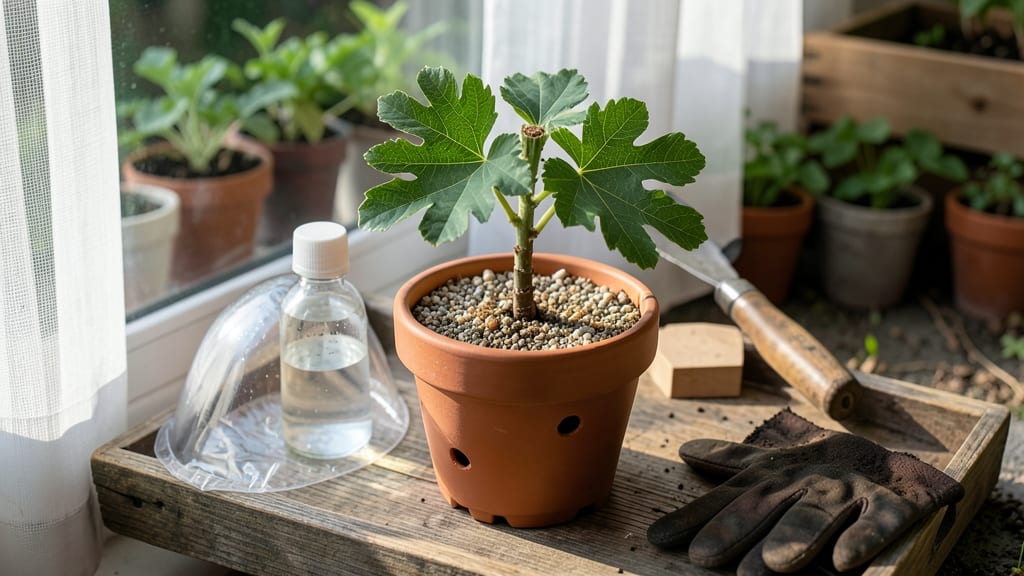
Planting a fig tree from a single fig feels like magic—90% of the time, it actually works. 🌱 I’ve grown dozens this way, and the secret isn’t complicated: patience, the right timing, and a few simple tricks to coax those tiny seeds into life.
Most people assume you need a nursery sapling, but fresh figs hide the potential for a thriving tree right in their flesh.
The process starts with a ripe fig from your grocery store or a neighbor’s tree—just pick one that’s soft but not mushy. You’ll need a shallow tray, damp paper towels, and a bit of rooting hormone (optional but helpful).
The real trick is keeping the seeds moist without drowning them; too much water turns them to mush, too little and they dry out before sprouting. Germination takes 4-8 weeks, but don’t give up if nothing happens in the first three.
Once your seedlings pop up—tiny green leaves unfurling from the soil—you’ll know you’re on the right track. They’ll need bright, indirect light at first, then gradually more sun as they grow.
By 6-12 months, you’ll have a sturdy young tree ready to plant in the ground, where it’ll reward you with sweet, sun-ripened figs in just a few seasons.
This method works for any fig variety, from the classic Brown Turkey to the honey-sweet Kadota. The key is consistency: check moisture daily, avoid overwatering, and keep them warm. With these steps, you’ll skip the nursery line and grow your own tree—no green thumb required, just attention to detail.
📚 In This Guide
- What you need
- Instructions
- Tips and common mistakes
- Wrapping up and next steps
What you need
- ● 1 ripe fig – Choose a fresh, organic fig (no waxy coatings) with a small stem or "eye" (the tiny bump where leaves grow). Pro tip: 💡 Smaller figs often have better success rates!
- ● 1 small container – A 4–6 inch pot with drainage holes (e.g., plastic nursery pot, yogurt cup with holes poked in the bottom).
- ● Well-draining soil mix – Combine: 50% cactus/succulent mix (or regular potting soil)
- ● 30% perlite or coarse sand (for aeration)
- ● 20% compost or worm castings (for nutrients)
- ○ Rooting hormone (optional but recommended) – A small tube or powder to boost root growth (e.g., Rootone or Clonex).
- ● Spray bottle – For misting soil and keeping it moist.
- ● Plastic wrap or humidity dome – To create a mini greenhouse effect (e.g., a clear plastic bag with holes or a propagation lid).
- ● Patience & a sunny spot – Figs love warmth! Place your setup near a window or under grow lights (6–8 hours of light daily).
- ● Heat mat – Keeps soil warm (70–80°F) to speed up rooting.
- ● Fertilizer – A balanced liquid fertilizer (5-5-5 or 10-10-10) diluted to half-strength for when roots appear.
- ● Label & marker – To track planting dates and varieties.
- ● Second pot – For transplanting once roots form (6–8 weeks later).
Step-by-Step instructions for planting a fig tree from a fig
Here's how I've propagated healthy fig trees from store-bought fruit—no special skills required.
🌱 Step 1: Select and Prepare Your Fig
Choose a ripe, organic fig with a full stem attached—this is your future tree. Look for plump fruit with no soft spots or bruises, as damaged fruit won't root well. Rinse the fig gently to remove any wax coating, then let it dry completely. I like to work with the fig when it's still slightly firm but yielding to gentle pressure.
Cut the stem to about 3-4 inches below the fruit. Use clean, sharp scissors or pruning shears to make a clean cut—ragged edges invite rot. Remove any leaves from the lower half of the stem, leaving just a few at the top. This reduces moisture loss while the roots develop. Place the prepared fig in a small container with 1 inch of water—just enough to cover the cut end but not submerge the fruit.
💧 Step 2: Encourage Root Growth in Water
Position the container in a warm spot with bright, indirect light—a south-facing window works well, but avoid direct midday sun. Change the water every 2-3 days to prevent bacterial growth. You'll see tiny white roots emerging from the stem in about 3-4 weeks, usually starting near the cut end.
Here's the thing—don't rush this step. Roots need time to establish before transplanting. If the water gets cloudy or develops an odor, dump it and rinse the container thoroughly. I've found that adding a pinch of cinnamon to the water helps prevent rot and keeps things fresh. Once roots reach about 2 inches long, it's time to move to soil.
🪴 Step 3: Transplant to Soil for Establishment
Fill a 6-inch diameter pot with well-draining potting mix—fig trees hate soggy roots. Make a small hole in the center and gently place your rooted fig cutting into the hole, burying about half of the stem below soil level. The fruit should sit above the soil. Press the soil lightly around the stem to secure it without compacting it too tightly.
Water gently until moisture seeps from the drainage hole at the bottom. Place the pot in a warm spot with morning sun and afternoon shade for the first week. You'll notice new leaves emerging within 4-6 weeks—that's your sign the tree is thriving. Don't fertilize yet; let the roots establish for at least 8 weeks before adding nutrients.
☀️ Step 4: Gradually Acclimate to Outdoor Conditions
After 6-8 weeks in the pot, start hardening off your fig tree by placing it outside in a sheltered spot for 1-2 hours daily. Choose a location with partial shade and protect it from wind. Gradually increase outdoor time over 2 weeks, moving it to sunnier spots each day. Figs love heat but can scorch in intense afternoon sun during their first summer.
Watch for signs of stress—yellowing leaves or wilting means it's getting too much sun or not enough water. Once your fig tree tolerates full sun without wilting, it's ready for permanent outdoor planting. I always wait until after the last frost date in my area to move it to the ground, as young trees are sensitive to cold snaps.
✂️ Step 5: Maintain and Encourage Growth
Water your fig tree deeply once a week during the first growing season, allowing the top 2 inches of soil to dry between waterings. Mulch around the base with 2 inches of organic mulch to retain moisture and regulate soil temperature. Figs are drought-tolerant once established, but young trees need consistent moisture.
Prune any dead or yellowing leaves as they appear, and pinch back new growth to encourage bushier growth. By the second year, your fig tree should produce small fruit—though it may take 3-5 years for a tree grown from a fig to bear fruit as large as the parent. Patience pays off with a healthy, productive tree that will reward you for years to come.
Tips & tricks for growing a fig tree from a fig
These little details make all the difference when turning a grocery store fig into a thriving tree.
Root Growth Secret: In Step 2, when you're waiting for those first roots to appear, place your container in a spot where the water stays consistently warm—like on top of your refrigerator. This mimics the natural warmth figs love and speeds up root development by about 1-2 weeks. Just make sure the light stays bright but indirect. I've found that a simple LED grow light on a timer (12 hours on/off) works wonders if natural light is limited.
Transplant Timing: Don't rush moving your rooted fig to soil just because you're eager! In Step 3, wait until roots reach at least 2 inches long—this gives you the best chance of survival. I've seen cuttings with only 1-inch roots struggle when transplanted, while those with 2-inch roots take off like rockets. If you're unsure, gently tug on the roots—if they resist, they're strong enough for soil.
Soil Strategy: For Step 3's 6-inch pot, mix your well-draining potting soil with 20% perlite or coarse sand. This prevents compaction and improves drainage, which fig trees absolutely hate. I like to add a handful of worm castings to the mix—they provide gentle nutrients without overwhelming the young roots. Just avoid garden soil, which can harbor diseases that weaken your cutting.
Hardening Off Hack: When you start the 2-week hardening off process in Step 4, begin with just 1 hour outside on day one, not the full 1-2 hours mentioned. Gradually increase by 30 minutes daily—this prevents shock from sudden sun exposure. I've seen trees wilt dramatically when moved too quickly, but this slow approach keeps them happy and healthy.
Pro Tips for Plant A Fig Tree From A Fig
- These little details make all the difference when turning a grocery store fig into a thriving tree.
- Root Growth Secret: In Step 2, when you're waiting for those first roots to appear, place your container in a spot wh...
- Transplant Timing: Don't rush moving your rooted fig to soil just because you're eager! In Step 3, wait until roots r...
Frequently asked questions
Got questions about growing a fig tree from a single fig? You’re not alone! Here are answers to the most common queries—so you can propagate with confidence and avoid pitfalls.
Can I use any fig to grow a tree?
Not quite! Only fresh, organic figs with seeds (like those from grocery store varieties like ‘Black Mission’ or ‘Brown Turkey’) work. Avoid dried figs or those treated with preservatives—they won’t sprout. Pro tip: Look for plump, unblemished figs with a healthy seed inside!
How long does it take for a fig seed to sprout?
Patience is key! Germination can take 2–6 weeks in warm, moist conditions (70–85°F). Keep the soil consistently damp and place the pot in bright, indirect light. If nothing happens after 6 weeks, try soaking the seed in warm water for 24 hours to jumpstart growth.
Should I plant the fig tree indoors or outdoors?
Start indoors for the first 2–3 months to protect young seedlings from frost and harsh weather. Once the tree is at least 1–2 feet tall and spring arrives (when night temps stay above 50°F), transplant it outdoors to a sunny spot. Hardiness varies by variety—check your zone!
Why isn’t my fig seed sprouting?
Common culprits: dry soil, cold temps, or low humidity. Troubleshoot by:
- Ensuring the seed stays moist but not soggy (use a spray bottle).
- Moving the pot to a warmer location (like near a sunny window or under a grow light).
- Covering the pot with plastic wrap to trap humidity (remove once sprouts appear).
Can I grow a fig tree from a fig in cold climates?
Yes, but with extra care! Fig trees thrive in USDA Zones 7–10, but you can grow them in colder areas by:
- Planting in containers and overwintering indoors.
- Choosing cold-hardy varieties like ‘Chicago Hardy’ or ‘Celeste.’
- Mulching heavily and protecting the tree with burlap wraps in winter.
Wrapping up and next steps
Growing a fig tree from a single fig is easier—and more rewarding—than you think!
With the right tools, patience, and a little care, you’ll soon be nurturing a thriving plant that could one day bear sweet, homegrown fruit. 🌱✨ Your next step? Grab a ripe fig, follow the steps, and watch your green thumb grow—literally!
Start small, stay consistent, and before you know it, you’ll be sharing your gardening success with friends (or bragging about your fig tree’s first harvest!). Happy planting!