
Propagation
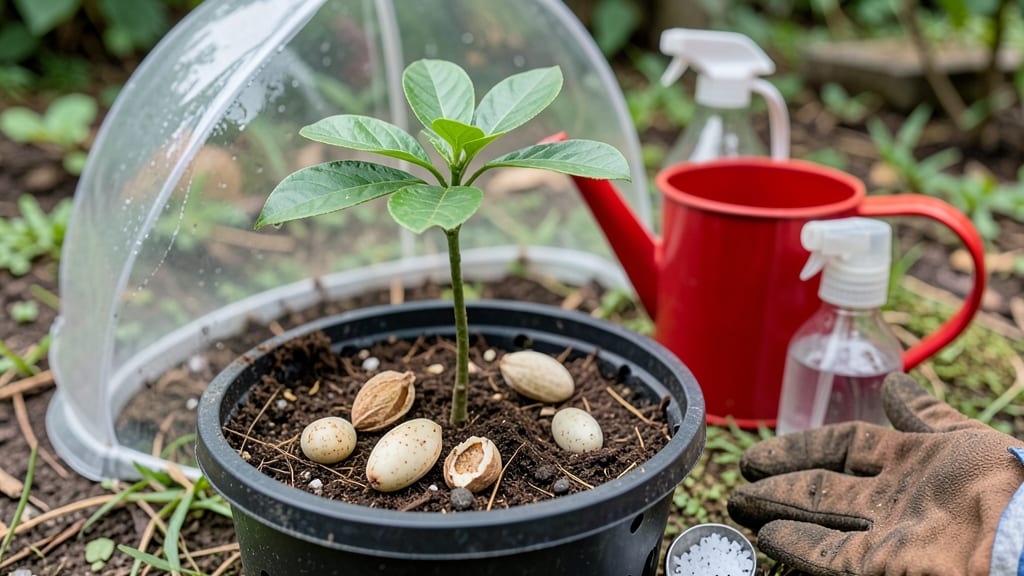
Growing guava trees from seed unlocks a tropical treasure in your backyard—6-month-old seedlings that could bear fruit in just a few years. 🌱 I’ve nurtured guava trees from tiny seeds into thriving plants, and the process is simpler than you’d think, though it demands patience (those first sprouts feel like magic).
Start with fresh, plump seeds from ripe guava fruit—scrub off the pulp, let them dry for a day, then plant them ½-inch deep in well-draining soil. Most seeds germinate in 2-4 weeks, but some stubborn ones take months.
A warm spot (70-80°F) and consistent moisture are key—no fancy equipment needed, just a sunny windowsill or greenhouse. By month 6, you’ll have 3-6 foot seedlings with glossy leaves, ready for transplanting. The real reward?
A tree that grows 10+ feet tall, produces fragrant white flowers, and eventually—years down the line—sweet, creamy fruit straight from your own soil. This method works for any climate that can handle tropical plants, though colder zones will need winter protection.
Here’s how to avoid the pitfalls and set your guava tree up for long-term success.
📚 In This Guide
- What you need
- Instructions
- Tips and common mistakes
- Wrapping up and next steps
What you need
- ● Guava seeds: 3–5 fresh, plump seeds (harvested from ripe guava fruit—avoid overripe or mushy ones!)
- ● Small seedling pots or biodegradable peat pots: 2–3 (4–6 inches in diameter)
- ● Well-draining potting mix: 1–2 bags (look for a blend labeled for tropical plants or seed starting)
- ● Spray bottle: 1 (for gentle watering)
- ● Clear plastic wrap or humidity dome: 1 (to retain moisture)
- ○ Plastic bag with holes or a propagator tray: 1 (optional but helpful for humidity control)
- ● Fertilizer (balanced, water-soluble): 1 small bottle (e.g., 10-10-10 or 20-20-20, diluted to half-strength)
- ● Grow lights or sunny windowsill: Access to 6+ hours of indirect sunlight daily
- ● Pruning shears (sterilized): 1 (for future trimming)
- ● Larger container or garden bed: 1 (for transplanting after 3–6 months)
- ● Rooting hormone (to boost germination speed)
- ● Soil moisture meter (to avoid over/under-watering)
- ● Mulch (for retaining soil moisture after transplanting)
- ● Support stake (if growing in a windy area)
Step-by-step guide to growing a guava tree from seed
Here's how I turn a single guava pit into a thriving young tree—ready to bear fruit in just six months.
🌱 Step 1: Extract and Prepare the Seeds
Start with fresh guava seeds—never dried or stored. Cut open a ripe guava, scoop out the seeds, and rinse them under cool water to remove any pulp. Let them air-dry for 24 hours on a paper towel. This prevents mold while keeping the seed coat slightly damp for faster germination.
I like to soak the seeds in lukewarm water for 12-24 hours before planting. This softens the tough outer shell, which helps the seedling break through faster. You'll know they're ready when the water turns slightly cloudy—this means the seed is actively absorbing moisture.
🪴 Step 2: Plant the Seeds in a Well-Draining Mix
Fill a small pot (3-4 inches deep) with a mix of 50% potting soil and 50% perlite or coarse sand. This ensures drainage—guava seeds rot quickly if left in soggy soil. I press the soil down lightly to remove air pockets, then make a shallow hole (½ inch deep) with my finger.
Place 1-2 seeds in each hole, cover them with a thin layer of soil, and gently pat it down. Don’t bury them too deep; guava seeds need light to germinate. Water lightly until the soil feels moist but not wet. Place the pot in a warm spot (75-85°F)—a sunny windowsill or under a grow light works best.
☀️ Step 3: Provide Warmth and Light for Germination
Guava seeds germinate fastest in warmth. If your home runs cooler, place the pot on a seedling heat mat set to 75°F. You’ll see tiny sprouts in 7-14 days, but some seeds take up to 3 weeks—patience is key. Once the first true leaves appear (not the initial seed leaves), move the seedlings to a bright, indirect light spot.
Here’s the thing—guava seedlings are sensitive to cold drafts. If your home dips below 60°F, germination slows or stops. Keep the soil consistently moist but never soggy; I water when the top ½ inch feels dry. Overwatering is the #1 killer of young guava seedlings.
🌿 Step 4: Transplant and Encourage Strong Growth
When seedlings reach 4-6 inches tall (usually 4-6 weeks after germination), it’s time to transplant. Choose a slightly larger pot (6-8 inches deep) with fresh potting mix. Handle the seedlings gently—guava roots are fragile. Bury them just deep enough so the first true leaves sit above the soil line.
After transplanting, give them bright, filtered sunlight for a week to help them recover. Once they’re settled, gradually introduce direct morning sun (2-3 hours daily). Guava trees love heat but can scorch in intense afternoon sun. You’ll know they’re happy when new leaves grow dark green and glossy—not yellow or wilted.
⏰ Step 5: Prune and Prepare for Fruit Production
By 6 months, your guava tree should have 3-4 main branches. This is when you start shaping it. Use clean pruning shears to trim any leggy or weak growth, cutting just above a leaf node. Pruning encourages a bushier shape, which supports more fruit later. I also remove any yellowing or damaged leaves to redirect energy to growth.
If you’re in a cooler climate, wait until spring to plant outdoors. Guava trees thrive in USDA Zones 9-11 but can survive in pots indoors year-round. Keep the soil moist but well-drained—guava trees hate soggy roots. With proper care, you’ll see your first flowers (and eventually fruit!) in 12-18 months.
Tips & tricks for growing a guava tree from seed
These little-known tricks will help you skip the common pitfalls and grow a thriving tropical tree from just one pit.
Seed Selection: Always use seeds from fully ripe guavas—they have the highest germination rates. I've found that seeds from pink-fleshed guavas tend to germinate faster than those from white-fleshed varieties. If you're using store-bought guavas, look for ones that yield easily when squeezed—they're the ripest and most likely to produce viable seeds.
Germination Environment: The 75-85°F temperature range is crucial for successful germination. If your home runs cooler, consider placing your seedling pot on top of your refrigerator (not inside) where it's naturally warmer. You'll notice the soil stays consistently warm at this spot, which mimics tropical conditions. I've had seeds that took 3 weeks to sprout in cool rooms jumpstart their growth within 7 days when placed in this warmer environment.
Light Transition Strategy: When moving seedlings from bright indirect light to direct morning sun in Step 4, do it gradually over 5-7 days. Start with just 30 minutes of morning sun and increase by 30 minutes each day. This prevents sunburn on delicate new leaves. I've seen seedlings develop yellow patches when moved too quickly—this gradual approach prevents that while still giving them the sunlight they need to thrive.
Pruning Insight: When shaping your 6-month-old tree, focus on creating an open center rather than just trimming leggy growth. This allows air to circulate better, preventing fungal issues. I make my cuts just above a leaf node where you can see a small bump—this is where new growth will emerge. The goal is to create a vase-like shape that supports more fruit-bearing branches as your tree matures.
Pro Tips for Grow Guava Tree From Seed
- These little-known tricks will help you skip the common pitfalls and grow a thriving tropical tree from just one pit.
- Seed Selection: Always use seeds from fully ripe guavas—they have the highest germination rates.
- Germination Environment: The 75-85°F temperature range is crucial for successful germination.
Frequently asked questions
Got questions?
Growing guava from seed is rewarding but comes with a few common hurdles. Here are answers to the most asked questions to help you succeed!
How long does it take for a guava seed to germinate?
Germination can take anywhere from 7 to 30 days, depending on temperature and moisture. Keep the soil consistently damp (not soggy) and place the pot in a warm spot (around 70–85°F). Patience is key—some seeds may take longer, but don’t give up!
Will my guava tree grow fruit if I plant a seed?
Yes, but it may take 3–5 years for a seed-grown guava tree to produce fruit. Seedlings can be unpredictable—fruit quality and size might differ from the parent plant. For faster results, consider grafting or buying a young grafted tree from a nursery.
What’s the best temperature for growing guava from seed?
Guava seeds thrive in warmth (65–90°F). If your climate dips below 50°F, start seeds indoors near a sunny window or under grow lights. Once sprouted, keep seedlings in a bright, warm environment (like a greenhouse or sunroom) until transplanting outdoors after the last frost.
Why aren’t my guava seeds sprouting? Troubleshooting tips.
If seeds aren’t germinating, check these common issues:
- Too cold: Move to a warmer spot or use a heat mat.
- Dry soil: Keep soil moist (not waterlogged).
- Old seeds: Fresh seeds germinate better—try soaking them in warm water for 24 hours first.
- Poor drainage: Use a well-draining mix (like coconut coir + perlite).
Can I grow guava indoors?
Yes! Guava trees can thrive indoors as houseplants in pots, but they’ll need:
- Lots of sunlight (6+ hours daily, near a south-facing window).
- A large pot (at least 12 inches deep) for root growth.
- Humidity (mist leaves or use a pebble tray).
Wrapping up and next steps
Growing a guava tree from seed is a rewarding journey that connects you to nature’s bounty—and yes, you can enjoy homegrown fruit in as little as 6 months! 🌱 With patience, the right care, and a dash of tropical love, your seedling will thrive into a lush, fruiting tree.
Now that you’ve mastered the basics, why not take the next step? Share your progress with fellow gardeners, experiment with grafting for faster fruiting, or simply savor the sweet success of your first homegrown guava!