
How To
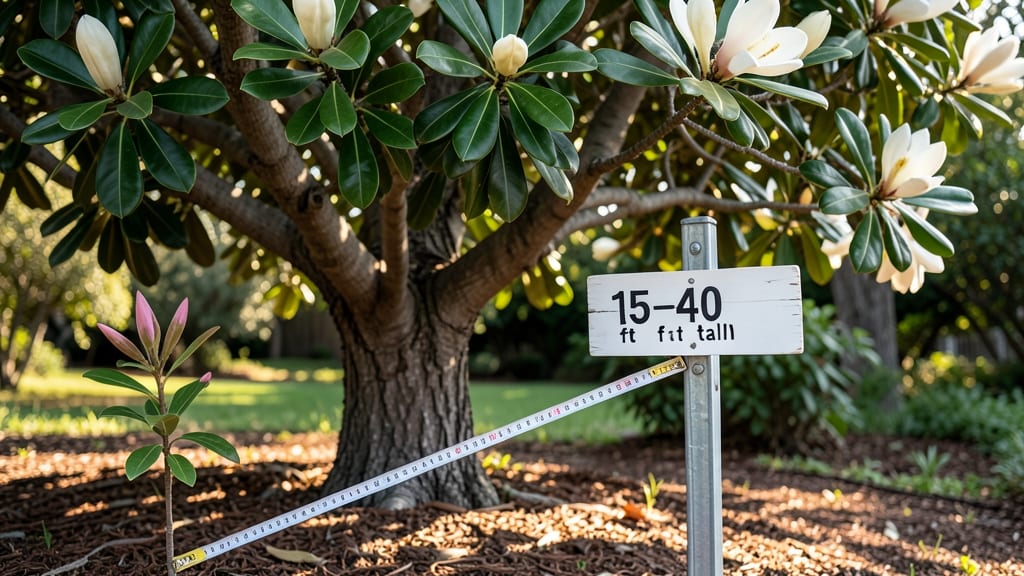
A magnolia tree grows how tall does a magnolia tree grow anywhere from 10 feet to towering 80 feet, depending on the species, with some dwarf varieties staying under 15 feet—perfect for small yards.
Dreaming of a fragrant magnolia in your yard but worried it’ll outgrow your space? The good news is that dwarf magnolia varieties can thrive—even in tight urban gardens—while still delivering stunning blooms and lush foliage.
Southern Magnolias, for example, can reach 60 to 100 feet if left unchecked, but smaller cultivars like 'Little Gem' or 'Teddy Bear' max out at just 10 to 15 feet, making them ideal for patios or foundation plantings.
Below, I’ll break down the height ranges of popular magnolias, how to control their growth naturally, and which dwarf varieties are best for your space—so you can enjoy that iconic magnolia beauty without sacrificing your yard.


Magnolia tree height guide: from giant species to compact dwarf varieties
If you've ever dreamed of planting a magnolia but worried about its mature height, you're not alone. Magnolias range from towering giants that dominate landscapes to compact dwarf varieties perfect for small yards.
Understanding these differences helps you choose the right tree for your space while still enjoying their fragrant blooms and glossy leaves.
The Southern Magnolia, one of the most iconic species, can reach an astonishing 60–80 feet tall with a spread of 25–35 feet. Meanwhile, dwarf magnolias like 'Little Gem' stay under 15 feet tall, making them ideal for urban gardens and tight spaces.
The key is knowing which variety fits your yard's dimensions and your long-term gardening goals.
Growth rates also vary dramatically. Fast-growing species like the Sweetbay Magnolia can add 2–3 feet per year, while slower-growing dwarf varieties might only gain 6–12 inches annually. This means a 10-foot dwarf magnolia planted today could take 10–15 years to reach maturity, while a standard magnolia might tower over your house in just a decade.
| Magnolia Type | Mature Height (ft) | Growth Rate (ft/year) | Best For |
|---|---|---|---|
| Southern Magnolia | 60–80 ft | 1–3 ft | Large estates, park landscapes |
| Star Magnolia | 20–30 ft | 6–12 in | Medium yards, specimen planting |
| Little Gem (Dwarf) | 6–15 ft | 6–12 in | Small yards, urban gardens |
| Teddy Bear (Dwarf) | 8–10 ft | 4–8 in | Containers, foundation planting |
| Kadampa (Semi-Dwarf) | 15–25 ft | 12–18 in | Medium spaces, privacy screens |
| Bigleaf Magnolia | 40–60 ft | 1–2 ft | Large properties, woodland edges |
For homeowners with limited space, dwarf magnolias are a game-changer. Varieties like 'Little Gem' and 'Teddy Bear' grow just 6–15 feet tall but still produce show-stopping blooms in spring. These compact trees thrive in containers or small garden beds, making them perfect for patios, balconies, or even large pots.
Their slower growth rate also means less frequent pruning, saving you time and effort.
If you're planting a magnolia in a small urban yard, consider spacing. A 10-foot dwarf magnolia needs at least 8–10 feet of clearance from structures, while a standard magnolia requires 30–50 feet of open space to avoid overcrowding.
Always check the mature spread of your chosen variety—some dwarf magnolias can spread 6–8 feet wide, so plan accordingly.
Climate also plays a role in height. Magnolias in warmer USDA zones (7–10) tend to grow faster and larger, while those in cooler zones (6–7) may stay slightly smaller.
For example, a 'Little Gem' in Zone 8 might reach 12–15 feet, while the same tree in Zone 6 could max out at 10 feet. Always factor in your local climate when estimating mature size.
Pruning can influence height too. If you want to keep a standard magnolia shorter than its natural height, prune in late winter or early spring before new growth begins. Avoid heavy pruning in summer, as it can stress the tree and reduce next year's bloom production.
For dwarf varieties, minimal pruning is usually enough—just remove dead branches or shape lightly after flowering.
Remember, magnolias are long-lived trees. A well-planted magnolia can live for 100+ years, so choosing the right size now will save headaches later.
Whether you opt for a towering Southern Magnolia or a compact 'Teddy Bear', your magnolia will reward you with fragrant blooms and lush greenery for decades to come.
🌳
Top 5 dwarf magnolia trees for small yards (with space-saving tips)
If you love the idea of fragrant magnolias but lack space for towering giants, dwarf varieties are your perfect solution. These compact beauties reach just 6–15 feet at maturity while still delivering showstopping blooms and glossy foliage.
The key is choosing the right cultivar and giving it proper care to maximize its potential in tight spaces.
For small yards, I recommend focusing on slow-growing varieties that thrive in containers or narrow planting beds. These cultivars also require minimal pruning, making them ideal for busy gardeners. With the right placement and care, you can enjoy magnolia blooms without sacrificing your patio or driveway space.
Here’s how they compare:
| Variety | Mature Height | Spread | Sunlight Needs | Best For |
|---|---|---|---|---|
| 'Little Gem' | 10–15 ft | 6–8 ft | Full sun to partial shade | Containers, narrow beds |
| 'Black Tulip' | 8–12 ft | 5–7 ft | Partial shade | Shady corners, urban gardens |
| 'Teddy Bear' | 6–8 ft | 5–6 ft | Full sun | Foundation planting, small yards |
| 'Jane' | 12–15 ft | 8–10 ft | Partial shade | Woodland gardens, mixed borders |
| 'Butterflies' | 8–12 ft | 6–8 ft | Full sun to partial shade | Pollinator-friendly gardens |
When planting dwarf magnolias, keep spacing in mind. For container growing, choose a pot at least 24–36 inches wide with drainage holes. If planting in the ground, give each tree 8–12 feet of clearance to prevent root competition and ensure airflow. This spacing also makes future pruning easier.
Pruning is minimal for dwarf varieties, but I recommend light shaping after blooming to maintain their compact form. Remove only dead or crossing branches—never prune in late summer or fall, as this can damage next year’s blooms.
For best results, use sterilized pruners and apply a thin layer of mulch around the base to retain moisture.
With the right variety and care, your dwarf magnolia will reward you with years of fragrant blooms while staying perfectly proportioned for small spaces. Just remember: patience is key—these trees grow slowly but steadily, making them a low-maintenance investment for any garden.