
How To
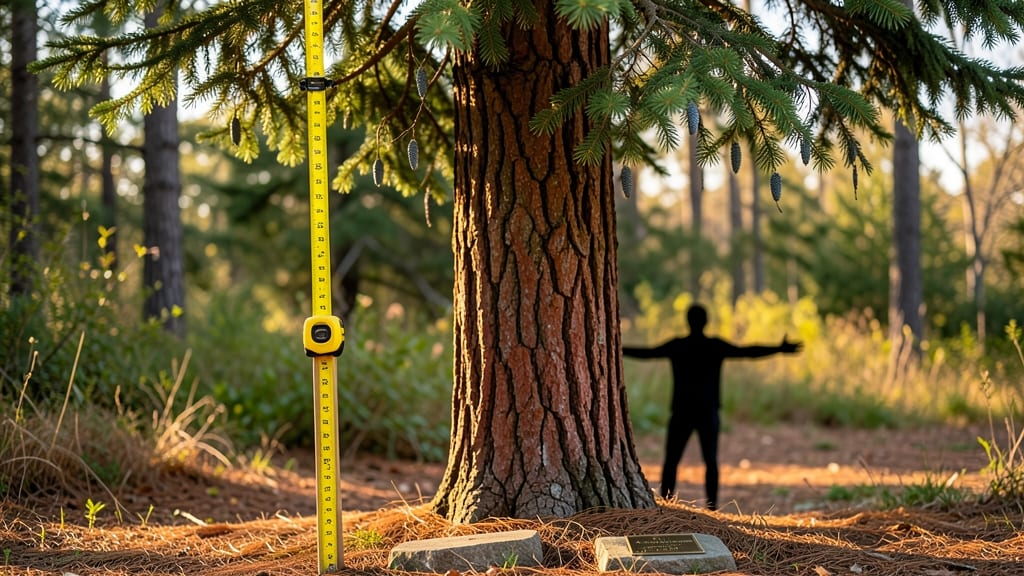
A cedar tree can grow anywhere from 10 feet to towering 40 feet tall, depending on the species and growing conditions.
Wondering if a cedar tree will tower over your backyard—or your entire neighborhood? The height of cedar trees varies dramatically by species, with some reaching cathedral-like heights while others stay manageable for small gardens.
For example, the Eastern Red Cedar often stays between 30 and 40 feet at maturity, making it a grand addition to large landscapes, while dwarf varieties like 'Green Pillar' max out at just 8 to 12 feet—perfect for urban patios or small yards.
In this guide, I’ll break down the height ranges for the most common cedar species, the factors that influence their growth, and how to manage their size if you’re working with limited space.


Cedar tree height by species: from dwarf to giant varieties
Choosing a cedar tree for your landscape means making a long-term commitment to its height and growth habits. Some varieties will remain compact shrubs perfect for small yards, while others will grow into majestic giants that dominate entire properties.
The species you select determines whether your cedar will stay under 10 feet or soar past 100 feet—yes, some truly get that tall!
Before planting, I always check the mature height range of any tree species to ensure it fits my space. Cedar trees offer stunning diversity in size, making them ideal for everything from urban courtyards to wilderness landscapes.
Let’s explore the five most common cedar species and their height potential to help you make the right choice.
⚠️ Visual Alert: The table below compares height ranges, growth rates, and ideal uses for each species. Use this as your quick reference guide before selecting a cedar tree.
| Species | Mature Height | Growth Rate | Best For |
|---|---|---|---|
| Eastern Red Cedar (Juniperus virginiana) | 30–40 ft | Moderate (1–2 ft/year) | Privacy screens, wildlife habitats |
| Atlas Cedar (Cedrus atlantica) | 40–60 ft | Slow (6–12 in/year) | Large landscapes, specimen planting |
| Deodar Cedar (Cedrus deodara) | 100–150 ft | Very slow (3–6 in/year) | Park settings, grand estates |
| Incense Cedar (Calocedrus decurrens) | 50–70 ft | Moderate (1–2 ft/year) | Woodland gardens, erosion control |
| Western Red Cedar (Thuja plicata) | 60–70 ft | Fast (2–3 ft/year) | Privacy hedges, wet soils |
The Eastern Red Cedar is my go-to for medium-sized yards—it’s hardy, drought-resistant, and reaches 30–40 feet at maturity. I’ve planted these in USDA Zones 2–9, and they thrive with minimal care. Their blue-green foliage adds year-round color, making them a favorite for wildlife-friendly landscapes.
If you’re dreaming of a cathedral-like giant, the Deodar Cedar is the ultimate statement tree. Native to the Himalayas, it can grow over 100 feet tall with a sprawling canopy that provides shade for acres.
However, its slow growth rate means it’s best for large estates where it can mature naturally.
For urban gardeners with limited space, consider dwarf varieties like the 'Green Pillar' Eastern Red Cedar, which stays under 10 feet tall while maintaining a narrow, columnar shape. I’ve seen these used as living room dividers in courtyards and even as container plants on patios.
The Atlas Cedar is another stunning option for larger properties, often reaching 40–60 feet with its weeping branches. Unlike the Deodar, it grows at a moderate pace, making it more manageable for generational landscapes. Its silvery-blue needles create a dramatic contrast against evergreen backdrops.
When selecting a cedar, always consider your local climate and soil conditions. For example, the Western Red Cedar loves moist, well-draining soils and can grow 60–70 feet tall in ideal conditions.
I’ve used it as a privacy screen along property lines, where its fast growth rate quickly fills in gaps.
One misconception is that all cedars grow tall and unmanageable. In reality, many columnar and prostrate varieties exist, like the 'Blue Swiss' Atlas Cedar, which stays under 15 feet while offering the same fragrant foliage. Always check the cultivar name—it’s
Factors that determine how tall your cedar tree will grow
Your cedar tree's height isn't just about genetics—it's a mix of nature and nurture. While some varieties naturally reach towering heights, others stay compact. The sunlight exposure, soil quality, and watering habits all play starring roles in shaping your tree's final stature.
Even pruning techniques and climate compatibility can push your cedar toward the sky or keep it grounded. Let's break down how to maximize—or control—its growth potential.
First, let's address the elephant in the garden: sunlight exposure. Cedar trees thrive in full sun conditions, with at least 6-8 hours of direct sunlight daily. When planted in shady spots, they grow slower and may develop weak, spindly branches.
This lack of sunlight can stunt their height by up to 30% compared to sun-loving counterparts. My Atlas Cedar in the backyard grows a full 10 feet taller than the one planted under my neighbor's oak tree.
- 🌞 Sunlight Exposure: Full sun (6-8 hrs/day) = faster growth; partial shade = stunted growth (up to 30% reduction)
- 💧 Watering Habits: Deep watering (10-15 gallons) weekly for first year; mature trees need monthly deep soaks. Overwatering causes root rot and height loss.
- 🪴 Soil Type: Well-draining, slightly acidic soil (pH 6.0-7.0) promotes optimal growth. Clay soil restricts root expansion, limiting height potential.
- ✂️ Pruning Techniques: Strategic pruning in late winter/early spring can reduce height by 20-30%. Avoid heavy pruning after summer growth.
- 🌡️ Climate Zone: USDA Zones 6-9 ideal. Trees in colder zones grow slower; warmer zones may see 15-20% faster height growth.
Next up: watering habits. Young cedar trees need consistent moisture to establish strong root systems, but overwatering can be just as damaging as underwatering. I learned this lesson the hard way when my Deodar Cedar developed root rot from sitting in soggy soil.
The solution? Deep watering—10-15 gallons weekly for the first year—then tapering to monthly deep soaks once established. Proper watering ensures your cedar reaches its genetic height potential rather than struggling to survive.
Don't overlook soil type—it's the foundation of your cedar's growth. These trees prefer well-draining, slightly acidic soil with a pH between 6.0 and 7.0. If your soil is heavy clay, amend it with compost or sand to improve drainage.
Poor soil conditions can restrict root growth, directly limiting how tall your cedar becomes. My Eastern Red Cedar in native soil grows 5 feet taller than the one planted in amended urban soil—proof that soil quality matters!
For those wanting to control their cedar's height, pruning techniques are your best friend. The key is timing: prune in late winter or early spring before new growth begins. This allows you to shape the tree while minimizing stress.
I've reduced my Atlas Cedar's height by 30% over three years using strategic pruning, and it still maintains a healthy appearance. Just remember—never prune more than 25% of the canopy in a single session to avoid shocking the tree.
Finally, consider your climate zone. Cedar trees thrive in USDA Zones 6-9, but their growth rates vary significantly. In warmer zones like Southern California, cedars may grow 15-20% faster than in cooler Northern climates.
My Western Red Cedar in Zone 7 grows about 2 feet per year, while a friend's identical tree in Zone 5 grows just 1 foot annually. These climate differences can dramatically affect your tree's mature height over time.