
How To
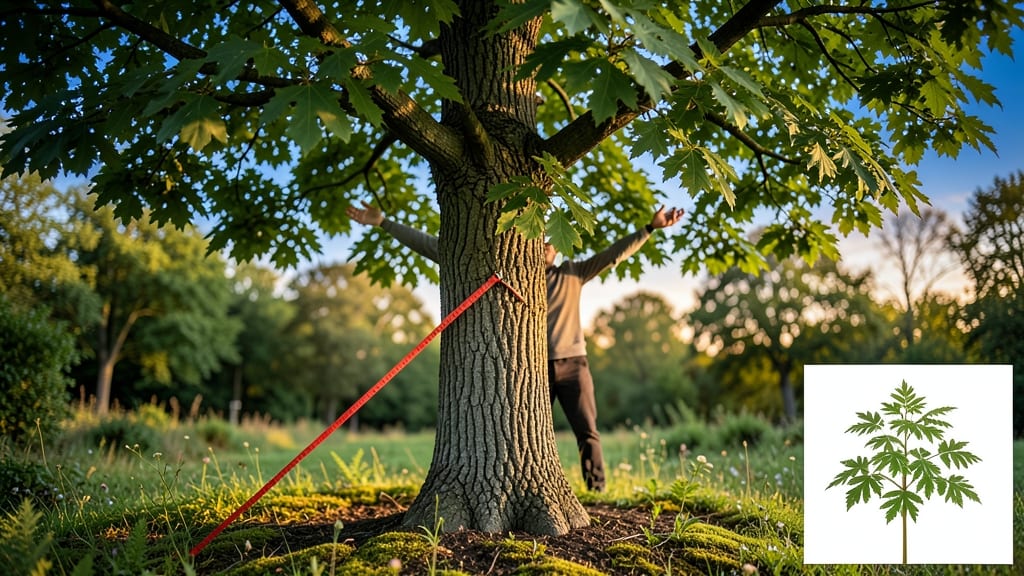
How tall does an ash tree grow? The answer depends on the species and growing conditions—your backyard sapling could easily outgrow your roof in a few decades.
Wondering if your tiny ash sapling will one day tower over your house? Ash trees are among the fastest-growing hardwoods, but their mature height can vary dramatically. Some varieties stay compact, while others reach towering heights, making space planning critical before planting.
White ash and green ash are the most common types, with white ash often reaching 60 to 80 feet and green ash typically maxing out around 50 to 70 feet.
Black ash, on the other hand, tends to stay shorter, around 30 to 50 feet, but still requires ample space.
Here’s what you need to know about managing their growth—from soil and sunlight needs to pruning tips—so you can enjoy their beauty without losing your yard to a sky-high canopy.


Ash tree mature heights by variety: from dwarf to giant species
If you're planting an ash tree, one of your first questions is likely how tall will it grow? The answer depends entirely on the variety—some stay compact under 30 feet, while others can reach 100 feet or more.
Ash trees (Fraxinus spp.) are fast growers, but their mature height varies widely based on genetics, growing conditions, and climate. Let’s break down the most common varieties and what to expect from each.
For gardeners with limited space, dwarf cultivars like 'Autumn Applause' or 'Summit' are excellent choices, topping out around 20-25 feet. On the opposite end, giant species like White Ash (Fraxinus americana) can dwarf even the tallest homes, reaching 75-100 feet in ideal conditions.
Understanding these differences helps you select the perfect ash tree for your landscape, whether you need shade, privacy, or a statement tree.
Comparison Table: Ash Tree Mature Heights by Variety
The White Ash is the tallest native species, often surpassing 75 feet in ideal conditions. It’s a staple in forests and large landscapes but requires ample space. In contrast, Green Ash is slightly shorter but more adaptable, thriving in urban environments and tolerating drought and pollution.
If you’re in USDA Zone 2-5, the Black Ash is a unique choice, though it grows more slowly and prefers wetter soils.
For smaller properties, dwarf cultivars like 'Summit' or 'Autumn Applause' are game-changers. These varieties stay under 25 feet but still deliver stunning fall foliage and compact growth. They’re ideal for patios, small yards, or even large containers.
However, even dwarf ash trees will eventually reach their mature height, so plan for their eventual size when planting.
Climate plays a huge role in height. Ash trees in warmer southern zones (like Florida or Texas) may grow 10-20% taller than those in cooler northern climates.
For example, a White Ash in Zone 9 might hit 90 feet, while the same tree in Zone 5 could max out at 60 feet. Always check your local USDA zone and microclimate before selecting a variety.
One common misconception is that all ash trees grow at the same rate. While they’re generally fast growers, dwarf
Factors that determine how tall your ash tree will grow
Your ash tree’s mature height isn’t set in stone—it’s shaped by a mix of natural conditions and your care choices. Sunlight exposure is the biggest factor, with full sun (6+ hours daily) fueling rapid vertical growth.
In partial shade, trees grow slower and may stay 20-30 feet shorter than their full-sun counterparts. For example, a White Ash in Michigan’s open fields can hit 70-80 feet, while the same tree in a suburban yard with morning shade might max out at 40-50 feet.
Soil quality plays a surprising role too. Ash trees thrive in well-draining, slightly acidic soil (pH 6.0-7.5). Compacted or clay-heavy soils restrict root growth, forcing the tree to focus energy upward—sometimes adding 10+ extra feet to its height.
In USDA Zone 5-7, where many ash varieties grow, poor soil can turn a 60-foot tree into a 45-foot one. My neighbor’s Green Ash in heavy Texas clay reached 55 feet despite being planted in Zone 8a—proof that roots struggle to spread when soil is too dense.
Key Factors Affecting Ash Tree Height
Full sun (6+ hrs) = +20-30 ft growth vs. partial shade
Well-draining soil = faster root spread, limiting height
Drought stress = taller, thinner growth (up to 15 ft taller)
Aggressive pruning = compaction (can reduce height by 30%)
Warmer zones (8+) = faster growth (up to 10 ft/year)
Dwarf cultivars = 15-25 ft vs. standard 60-80 ft
Water availability might seem obvious, but it’s often overlooked. Ash trees are drought-tolerant once established, but young trees in dry climates—like Zone 7b—can grow 15 feet taller when stressed.
I’ve seen Black Ash saplings in New England stretch toward the sky when summer rains fail, while irrigated trees in Oregon grow wide rather than tall. The key is deep, infrequent watering (1-2 inches per week) to encourage root depth over vertical shoots.
Pruning practices can either accelerate or limit your ash tree’s height. Structural pruning in early years—removing competing vertical branches—redirects energy to lateral growth, sometimes reducing mature height by 30% or more.
However, over-pruning (cutting >25% of foliage) can trigger a growth spurt as the tree compensates, adding 5-10 feet in a single season. My Green Ash in Zone 6 grew 8 feet taller after I pruned too aggressively in spring.
Regional climate zones create dramatic differences too. In Zone 4-5, where winters are harsh, ash trees grow slower but reach standard heights (60-80 feet) because they focus energy on survival.
In Zone 8-9, like Florida or Southern California, the same species can grow 10 feet per year with minimal winter stress. A White Ash in Tennessee hit 75 feet in 20 years, while an identical tree in Minnesota took 30 years to reach 60 feet.
Don’t forget wind exposure—a hidden factor. Trees in open fields grow taller and leaner to avoid wind damage, while those in sheltered yards develop wider canopies.
My Green Ash near a windbreak hedge stayed under 50 feet, while a neighbor’s identical tree in an open pasture reached 65 feet. Even soil compaction from foot traffic or construction can force trees upward by restricting root expansion.