
How To
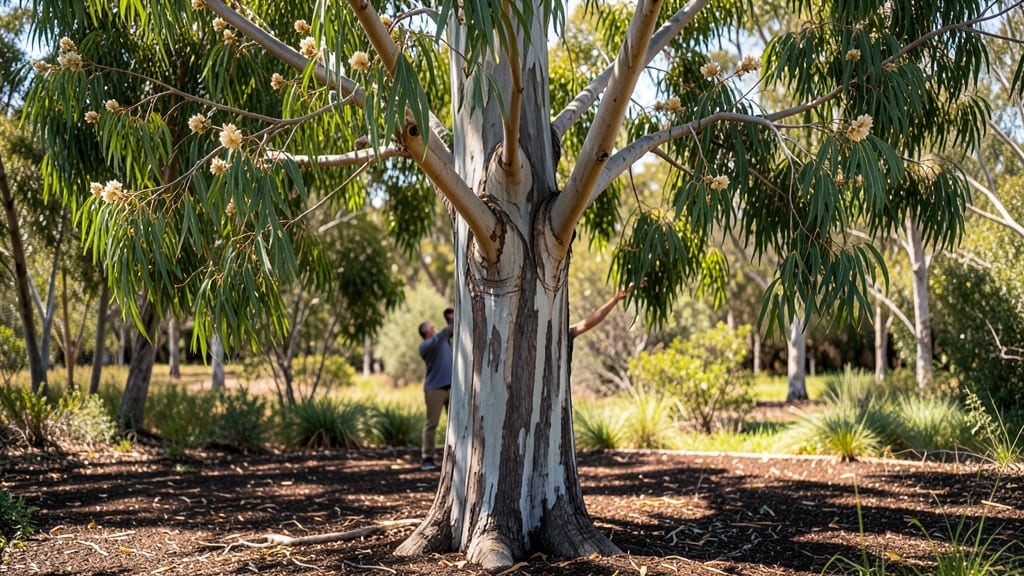
A eucalyptus tree can grow anywhere from 30 to over 300 feet tall, depending on the species and growing conditions—so if you're planning to plant one, size matters more than you might think.
Picture this: a towering 🌳 eucalyptus casting shade over your entire backyard, its branches swaying in the breeze, or worse, its roots cracking your driveway because you didn’t account for its massive spread. These trees aren’t just tall—they’re fast growers, and their height can double in just a few years.
Whether you’re dreaming of a privacy screen, a wildlife magnet, or a stunning focal point, knowing which species fits your space is the key. Some varieties stay under 40 feet, while others shoot up like skyscrapers, demanding 100 feet of clearance.
Below, I’ll break down the fastest-growing species, spacing rules, and how to keep them in check—without sacrificing their dramatic beauty.
Ready to plant with confidence? You’ll learn exactly how tall your eucalyptus will reach, how quickly it’ll get there, and the best ways to manage its growth so it enhances your landscape instead of overwhelming it.


Eucalyptus tree height by species: from dwarf to sky-skraping giants
Choosing the right eucalyptus species isn’t just about aesthetics—it’s about understanding mature height and growth habits. Some varieties stay compact enough for small yards, while others reach 300+ feet, rivaling skyscrapers. Before planting, measure your space and research climate compatibility, as frost sensitivity varies wildly across species.
Native to Australia but thriving in USDA Zones 8–11, eucalyptus trees offer year-round interest with fragrant foliage and striking bark. However, their aggressive root systems and rapid growth demand preparation. Below, we rank 10+ species from smallest to tallest, including rare giants and urban-friendly dwarfs.
For small-space gardening, Eucalyptus gunnii and E. cinerea are my top picks—they stay under 50 feet while still offering fragrant foliage and wildlife benefits. Their slower growth rates (2–3 feet/year) make them ideal for urban gardens where height control is critical.
On the opposite end, Eucalyptus regnans and E. vernicosa are sky-scraping giants that require acre-scale planting. These species grow 6–12 feet annually and need 100+ feet of clearance—perfect for w
How fast do Eucalyptus trees grow? Space planning for different species
Eucalyptus trees grow at staggering speeds, with some species shooting up 3–6 feet annually under ideal conditions. This rapid growth makes them perfect for quick shade or privacy—but also means space planning is critical.
A single Eucalyptus globulus can dwarf your backyard in a decade, while Eucalyptus pauciflora grows more slowly, staying under 40 feet. Without proper spacing, roots and canopies will encroach on neighboring plants or even your home.
Your yard layout must account for both height and spread. Most eucalyptus varieties develop wide, drooping branches, requiring 20–100+ feet between trees to prevent overcrowding.
For example, Eucalyptus camaldulensis (river red gum) can spread 50+ feet at maturity, while Eucalyptus urnigera stays more compact but still needs 30 feet of clearance. Skipping this step risks root damage to foundations or blocked sunlight for other plants.
- 🌱 Eucalyptus globulus grows 3–6 ft/year, reaching 100–300 ft in 20–30 years.
- 🌳 Eucalyptus camaldulensis adds 2–4 ft/year, maxing out at 150+ ft with a 50-ft spread.
- 🪴 Eucalyptus pauciflora grows 1–2 ft/year, staying 20–40 ft tall—ideal for smaller properties.
- ✂️ Prune annually to control height; never cut more than 25% of the canopy at once.
- 📏 Minimum spacing: 20 ft for dwarf varieties, 50+ ft for giants like E. regnans.
To calculate long-term canopy spread, multiply the tree’s mature height by 0.5–0.8 for an estimate of its width. For example, a 100-foot Eucalyptus globulus will likely spread 50–80 feet. Use this formula: (Mature Height × 0.6) = Estimated Canopy Spread.
This helps visualize how much open space you’ll need to avoid future conflicts with sidewalks, power lines, or neighboring yards.
In urban settings, pruning is essential to manage height and shape. Start pruning when the tree reaches 6–10 feet tall, focusing on removing lower branches to improve airflow and reduce fire risk.
Use clean, sharp tools and prune in late winter or early spring before new growth begins. Avoid heavy pruning in summer, as it stresses the tree and can stunt growth.
If you’re planting near structures or power lines, consider dwarf varieties like Eucalyptus gunnii (up to 15 feet) or Eucalyptus cinerea (up to 20 feet). These stay manageable but still offer fragrant foliage and wildlife benefits.
Always check local regulations before planting near property lines, as some municipalities restrict tall species to prevent root intrusion or shading disputes.
Pro tip: Plant eucalyptus in full sun and well-draining soil to maximize growth speed. Amend heavy clay soil with compost or sand to prevent root rot, which can slow growth dramatically.
With the right space planning and care, your eucalyptus will thrive—and become the showstopper of your landscape. 🌿