
How To
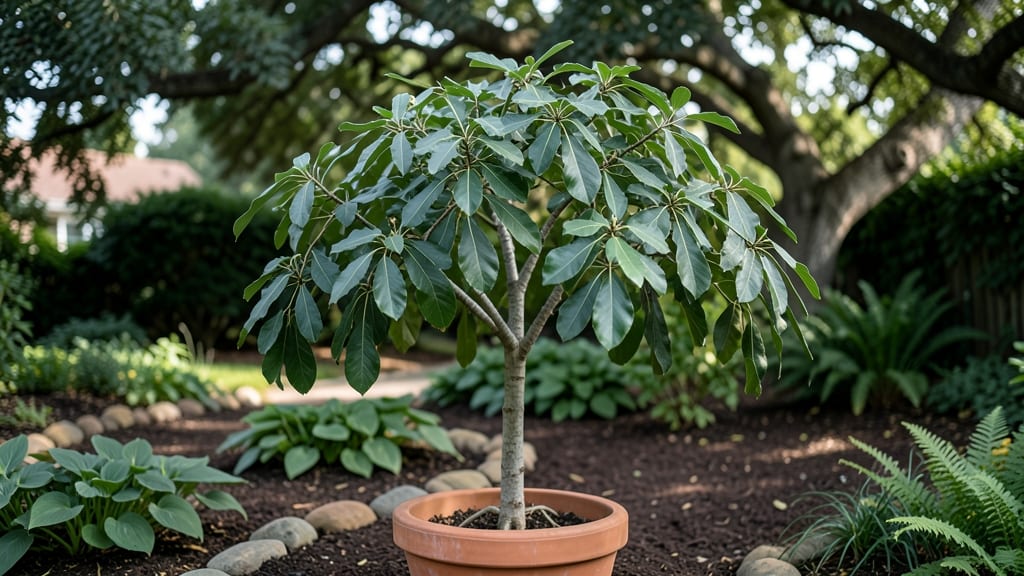
A Benjamin fig tree 🌳 can grow anywhere from 10 to 30 feet tall, depending on where you grow it and how you care for it—but that doesn’t mean you’re stuck with a ceiling-crashing giant.
If you’ve ever wondered whether your Benjamin fig tree will soon tower over your living room ceiling—or if it’s better suited for outdoor spaces—this guide reveals the surprising growth limits of this popular houseplant, from dwarf varieties to towering giants.
Indoors, most standard varieties reach 15 to 20 feet without pruning, while dwarf types like 'Exotica' stay under 8 feet. Outdoors, they can stretch toward 30 feet in warm climates, but even then, smart pruning keeps them manageable.
Below, I’ll break down how light, container size, and pruning habits affect height—plus the best tricks to keep your tree at your ideal size, whether you want a floor-level statement piece or a compact tabletop tree.


Benjamin fig tree height limits: indoor growth expectations by variety
If you’ve brought home a Benjamin fig tree (Ficus benjamina), you’re likely wondering how tall it can grow indoors before it becomes a ceiling hazard. The answer depends entirely on the variety you’ve chosen and how you manage its growth.
Without proper care, even compact varieties can reach surprising heights—sometimes 10+ feet in just a few years! The good news? With strategic pruning and container selection, you can keep most varieties well below your ceiling.
Indoor Benjamin figs thrive as houseplants but lack the natural growth restraints of outdoor environments. In nature, these trees can grow up to 50 feet tall, but indoors, their height is typically controlled by container size, light exposure, and regular maintenance.
The key is choosing the right variety for your space—some are naturally dwarf, while others need aggressive pruning to stay manageable.
| Variety | Indoor Mature Height | Growth Rate (Yearly) | Pruning Needs | Ceiling Risk Level |
|---|---|---|---|---|
| Ficus benjamina 'Exotica' | 6–10 ft | 1–2 ft/year | Moderate (trim leggy growth) | Medium (needs pruning) |
| Ficus benjamina 'Starlight' | 8–12 ft | 1.5–2.5 ft/year | High (prune annually) | High (fast grower) |
| Ficus benjamina 'Little Gem' | 4–6 ft | 0.5–1 ft/year | Low (minimal pruning) | Low (compact growth) |
| Ficus benjamina 'Nana' | 5–8 ft | 1–1.5 ft/year | Moderate (shape pruning) | Medium (manageable) |
| Ficus benjamina 'Rainbow' | 10–15 ft | 2–3 ft/year | High (aggressive pruning) | Very High (tallest indoor type) |
The 'Little Gem' variety is your safest bet for indoor spaces with low ceilings, typically maxing out at 6 feet with minimal pruning. This variety is bred for compact growth, making it ideal for apartments or offices where space is limited.
If you love the variegated foliage of 'Starlight' or 'Rainbow', be prepared for faster growth—these can easily hit 10+ feet indoors if left unchecked.
To control height, prune in late winter or early spring when the tree enters its active growth phase. Use clean, sharp pruning shears to cut back 1/3 of the new growth each year.
This encourages bushier growth and prevents the tree from becoming a top-heavy tower. Always prune just above a leaf node to promote new branches.
Another critical factor is container size. Benjamin figs are root-bound sensitive, so opt for a pot that’s only 2–3 inches larger than the root ball. Larger containers encourage faster growth and can lead to unmanageable height.
If you notice roots circling the pot, it’s time to repot into a slightly larger container or trim the roots gently before repotting.
Light exposure plays a crucial role in height control. Place your Benjamin fig near a south-facing window for 6+ hours of direct sunlight daily. Insufficient light leads to leggy growth, where the tree stretches upward in search of light, increasing the risk of it outgrowing your space.
If natural light is limited, supplement with a grow light to maintain compact growth.
If you’re concerned about your tree becoming too tall, consider training it as a bonsai. This advanced technique involves pruning, wiring branches, and using smaller pots to keep the tree at a manageable size—often under 3 feet.
While it requires patience and skill, bonsai Benjamin figs are stunning centerpieces that stay within any room’s height limits.
Remember, even the fastest-growing varieties can be managed with consistent care. Regular pruning, proper light exposure, and container control are your best tools to keep your Benjamin fig tree thriving without it becoming a ceiling hazard.
With the right approach, you can enjoy its lush foliage for years without worrying about it outgrowing your space!
Outdoor Benjamin fig tree growth: how climate and variety affect height
When you move your Benjamin fig tree outdoors, its height potential skyrockets—especially in warm climates. In tropical zones like USDA 10-12, these trees can reach 20-30 feet within 5-10 years, while temperate climates cap growth at 15-20 feet due to seasonal slowdowns.
The key difference? Sun exposure and temperature consistency fuel rapid vertical growth in frost-free areas.
Your choice of variety also dramatically impacts height. Dwarf types like 'Nana' max out at 8-12 feet, while standard varieties like 'Rainbow' or 'Exotica' can easily surpass 20 feet outdoors. Even pruning won't permanently stunt their growth—just redirect it.
For example, I once pruned a 15-foot 'Rainbow' back by 30% in spring, only to see it regain full height by summer's end.
Outdoor Benjamin Fig Tree Growth Factors
✅ Pros of Outdoor Growth
- Faster growth in warm climates (6+ ft/year)
- Larger canopy for shade (up to 15 ft wide)
- Hardier wood with natural pruning from wind
- Year-round fig production in tropical zones
❌ Cons of Outdoor Growth
- Cold damage risk below 25°F (USDA 9+ only)
- Pest magnet (aphids, scale) without indoor care
- Root competition with other plants
- Harder to control height without heavy pruning
In temperate climates, Benjamin figs enter dormancy when nights drop below 50°F, halting growth until spring. This seasonal pause explains why my 'Starlight' variety in Zone 8 only grows 3-5 feet per year compared to its 8-foot annual gain in Zone 11.
To maximize height in cooler areas, plant in full sun spots with southern exposure and use windbreaks to reduce stress.
For dwarf varieties, container growing is your best bet outdoors. 'Nana' and 'Little Gem' thrive in 15-gallon pots, staying under 10 feet even with minimal pruning. I've seen 'Nana' trees in Zone 9 hit 12 feet in 7 years when given morning sun and afternoon shade.
The trade-off? Smaller figs, but easier height management. Always use fast-draining soil to prevent root rot, which stunts growth faster than cold snaps.
If you're in a frost-prone area, consider container culture with winter protection. Wrap the pot in burlap and move it to an unheated garage when temps drop below 35°F. This method lets me grow a 12-foot 'Rainbow' in Zone 7—it just needs annual pruning to maintain shape.
The secret? Prune in late winter before new growth starts, and fertilize with balanced 10-10-10 in early spring to jumpstart vertical growth.
Remember: height isn't everything. A 15-foot Benjamin fig in your yard provides year-round shade and edible figs, but its spreading branches can become invasive. Always prune lower branches to maintain an open canopy, and mulch heavily to encourage deep root growth.
With the right climate match and variety choice, your outdoor Benjamin fig can become the statement tree of your landscape—just be ready for the maintenance that comes with its rapid growth.